Theopolis Logo

Writing

Explore our collection of theological essays, biblical studies, and reflections on faith and culture.

See all
johann-siemens-epy0gbjzzzu-unsplash
Apologetics

A Sabbath Conversation: How Old is the Earth?

As Adam and Eve walked to the center of the Garden of Eden to meet with the LORD on their first Sabbath they conversed about the origin and age of the earth. Adam: You know, honey, we spent a lot of time yesterday making preparations for our house, and we…

by Jeff MeyersOctober 3, 1997
img_1043
Biblical Horizons

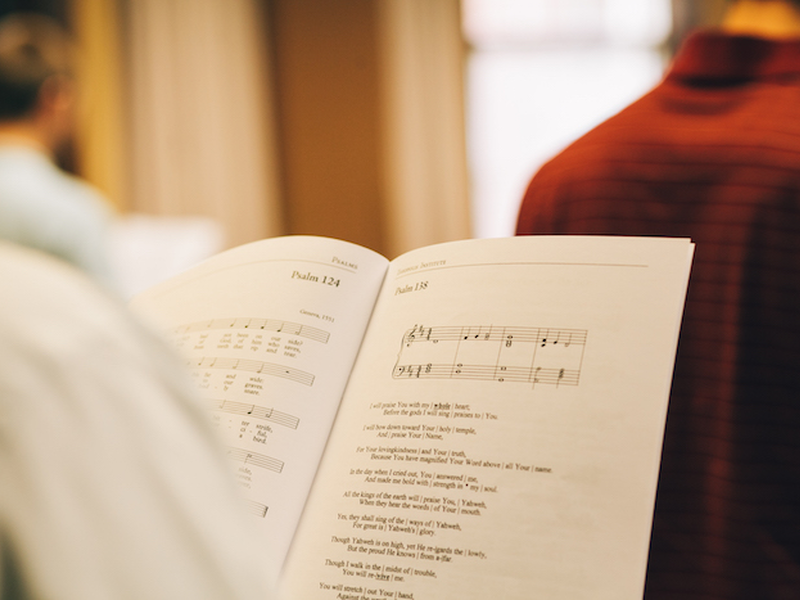
Psalms for Exile: The Narrative Progression in the Fifth Book of the Psalter

Some of our forefathers believed in reading/singing the psalms in order. Today, when the psalms are even used at all, they tend to be used randomly, though sometimes tied to a church calendar or to the pastor’s sermon. The Bible does not bind us to any particular practice, but there…

by James B. JordanSeptember 4, 1997
jordan-wozniak-xp_agmeea6s-unsplash-2
Biblical Chronology

The Anthropomorphic Days of C. John Collins, Part 2

Dr. Collins begins his essay with a brief statement of the Day Age view and then a brief statement of the Six Day view, focussing on the challenge to that view posed by modern "science." He ends this discussion by writing: "Two crucial points are at stake here: first, the…

by James B. JordanSeptember 4, 1997
john-salzarulo-wtjrpjzabcq-unsplash
Biblical Horizons

Paperweights and the Puzzles of Secularism

In his The Construction of Social Reality , Berkeley philosopher John Searle puzzles over the ontology of the products of human construction. Certain things – granite, platypi, weeping willows – occur naturally; while other realities – stone walls, zoos and parks, Chase Manhattan Bank – exist only as products of…

by Peter LeithartAugust 27, 1997
ales-krivec-4mibe6zg5r0-unsplash
Biblical Chronology

The Anthropomorphic Days of C. John Collins, Part 1

In the journal Presbyterion 20 (1994):109-130, published by Covenant Theological Seminary, Dr. C. John Collins sets forth a revision of the Day Age approach in his essay, "How Old Is the Earth? Anthropomorphic Days in Genesis 1:1–2:3." Dr. Collins’s essay has been widely accepted in evangelical Presbyterian circles as an…

by James B. JordanAugust 4, 1997
screenshot-2023-09-04-at-10-37-01-am
Biblical Horizons

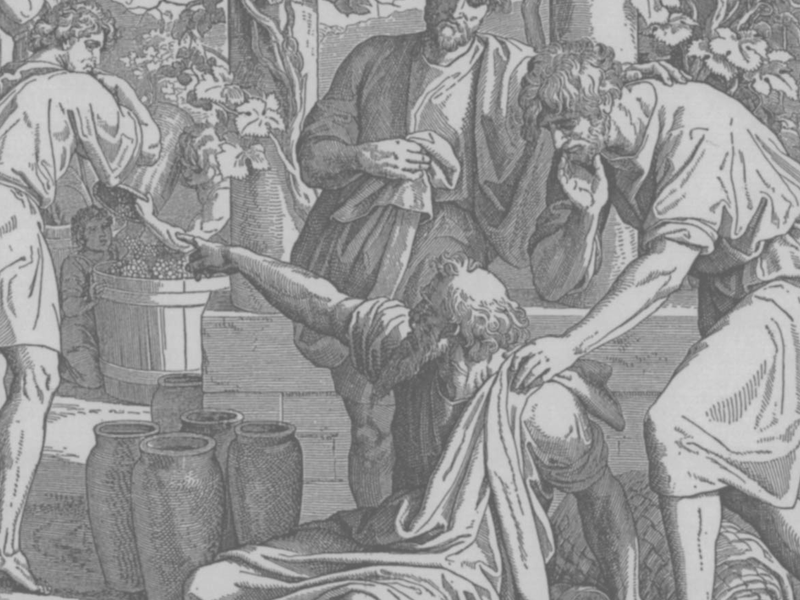
The Sin of Ham and the Curse of Canaan, Part 3 (An Exposition of Genesis 9:20-27)

The Righteousness of Shem and Japheth As noted above, the action of Shem and Japheth was purely symbolic. They did not need to cover Noah with a garment, for he was already covered by the tent. Their action was a symbolic affirmation of Noah’s authority, a symbolic rejection of Ham’s…

by James B. JordanAugust 4, 1997

Showing page 254 of 309

See all
See all

Sermon Outline

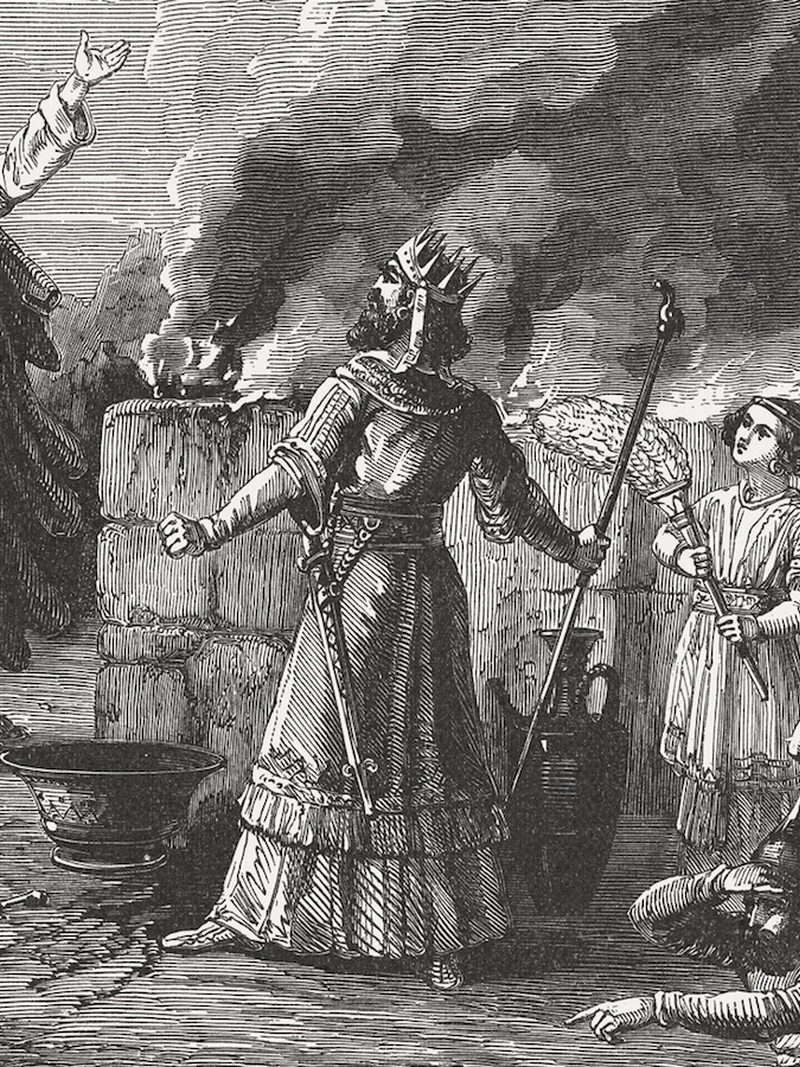
INTRODUCTION Joash’s story is an ironic tragedy of Shakespearean dimensions. His reign begins well, with a dramatic and surprising renewal of the Davidic line, and he pays his dues by repairing the temple. Before the end of his life, he loots the very temple he has repaired. THE TEXT “In…

February 13, 2006

Eucharistic meditation, Sixth Epiphany

2 Kings 11:1: When Athaliah the mother of Ahaziah saw that her son was dead, she rose and destroyed all the royal seed. At the beginning, the story of Athaliah appears to be the story of the destruction of the house of David. Athaliah kills all the royal seed, and…

February 12, 2006

Baptism Meditation, Sixth After Epiphany

2 Kings 11:3: So Joash was hidden with her in the house of Yahweh six years, while Athaliah was reigning over the land. The story in the sermon today is the story of two kingdoms, two rulers, two reigns. One is open, public, evident to everyone who reads the newspapers.…

February 12, 2006

Exhortation, Sixth After Epiphany

Athaliah, daughter of Ahab and Jezebel, knew she had to protect herself. She was related to the Davidic line only by marriage, and knew that many in Judah would be suspicious of her. A live Davidic prince could become the focal point for a revolt that would topple her from…

February 12, 2006
Literature

Shakespeare and Puritans

Jeffrey Knapp suggests that, though Shakespeare was probably raised a Catholic, he chose to conform to the established religion but without taking a high profile at church. In a comment that rings true, Knapp suggests that above all Shakespeare “deplored sectarianism. Shakespeare’s puritanical characters are typically divisive figures, longing for…

February 11, 2006

Eye for Eye

Athaliah the murderous mother is undone by Jehosheba the protective mother. To be specific: Athaliah renounces her blood ties with her grandchildren and slaughters the royal seed (2 Kings 11). Jehosheba renounces her blood ties with her own mother, Athaliah, and saves the royal seed. Wicked family disloyalty is undone…

February 11, 2006

Showing page 1886 of 2212

Browse by Category

In Medias Res

Your weekly digest for all things Theopolis.

Donate

Theopolis is nearly 100% donor-supported. Consider joining us on our mission.