Theopolis Logo

Writing

Explore our collection of theological essays, biblical studies, and reflections on faith and culture.

See all
timothy-eberly-djj49s6ud2o-unsplash
Biblical Studies

Whom Shall We Believe? Evangelicals and Scholarship

As we move into the Persian period of ancient history, and try to reconcile it with Daniel’s prophecies, we need to ask some hard questions about the interpretation of the data before us. One question concerns the reliability of the Biblical witness, and beyond that a second question concerns the…

by James B. JordanJanuary 30, 1991
a2-118606403-jpg
Biblical Horizons

Understanding Russia

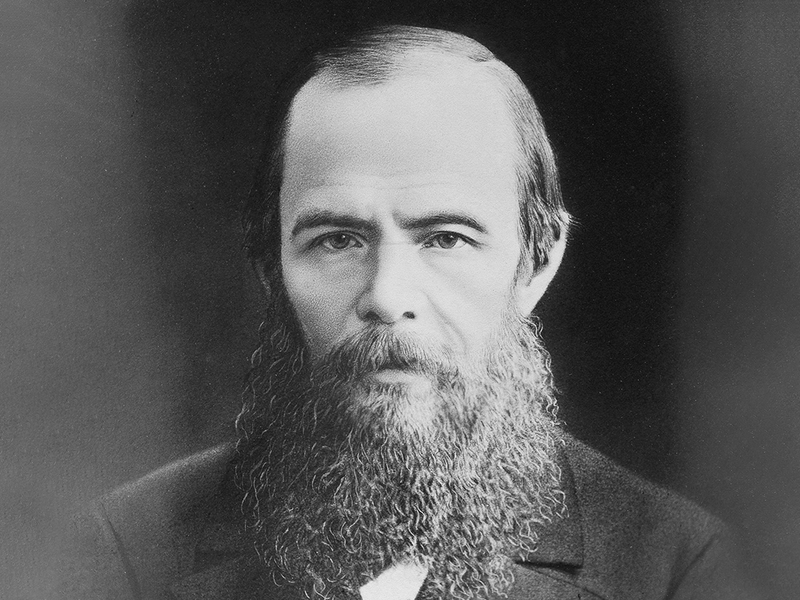
Ewa Majewska Thompson: Understanding Russia: The Holy Fool in Russian Culture Ewa M. Thompson is Professor and Chairman of the Department of German and Slavic Studies at Rice University. In this seminal study, she investigates the concept of the "holy fool" as it exists in Russian culture and civilization. While…

by James B. JordanJanuary 30, 1991
alfons-morales-ylswjsy7stw-unsplash-1
Biblical Studies

The Bible and Western Literature

The most cursory glance at the history of Western literature reveals that it has been deeply influenced by the Bible. Some of the greatest classics of Western literature draw their plots, characters, and ideas largely from Scripture; Dante’s Divine Comedy and Milton’s Paradise Lost are two of the most notable…

by Peter LeithartJanuary 23, 1991
screen-shot-2022-04-28-at-4-57-36-pm
Exodus

The Beautiful Child

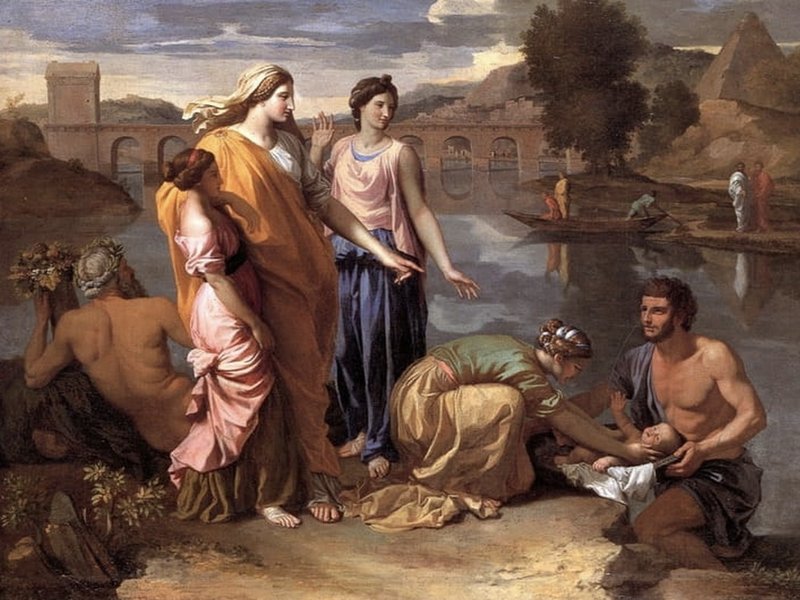
Each time the Scriptures recount the story of Moses’ birth and deliverance from Pharaoh, reference is made to two facts about that event. First, each text points out that Moses was "beautiful." Second, each text points out that Amram and Jochebed, his parents, hid him for three months (cf. Ex.…

by Peter LeithartJanuary 23, 1991
501819ld-2
Romans

Who Rules the Land? The Meaning of the Noahic Covenant, Part 2

Click HERE for Part 1. The Message of the Covenant Can we really say that the saints presently rule the world, and always have since Noah? Look around and you can see that the wicked rule in virtually every country on earth. There are wicked civilizations that rise Babelically age…

by James B. JordanDecember 30, 1990
hebrew-manuscript-6
Hermeneutics

Daniel’s 70 Weeks

As we saw last time , we have come to the place in the study of Biblical chronology where it seems that we are forced to abandon the Bible itself as our primary source of information. If we assume that the seventy sevens of Daniel 9:24-27 are in fact weeks…

by James B. JordanDecember 23, 1990

Showing page 300 of 309

See all
See all

Language of deficit

After listing 22 descriptive terms for the self (including stressed, self-alienated, paranoid, bulimic), Kenneth Gergen notes that “they are all terms of mental deficit. They discredit the individual, drawing attention to problems, shortcomings, or incapacities. To put it more broadly, the vocabulary of human deficit has undergone enormous expansion within…

February 8, 2006

When to start philosophy

Montaigne wrote in his essay on the education of children, “The boy we would breed has a great deal less time to spare; he owes but the first fifteen or sixteen years of his life to education; the remainder is due to action. Let us, therefore, employ that short time…

February 8, 2006
History

Self-conscious modernity

Postmodernity is from one angle modernity coming to self-consciousness. Managerialism is as much at the heart of modernity as of postmodernity, but postmoderns know they are being managed. As a result, management is always shot through with irony. How can we take the wizard seriously after the curtain has been…

February 8, 2006
History

Postmodern society

David Lyon’s little book, Postmodernity, provides an excellent introduction to the sociological, technological, and political contexts in which postmodern thought has arisen. He is cautious about inflating claims about a “postmodern” condition or the coming of a “new society,” but attempts to isolate those features of contemporary life that have…

February 7, 2006
Literature

More on Hamlet

INTRODUCTION As many critics have pointed out, Act 2 of Hamlet focuses on the efforts of both the “mighty opposites” - Hamlet and Claudius - to spy out the intentions and plans of the other. Thus begins the process of inserting various mediators between the two, all of whom end…

February 7, 2006

Watts on Mark 1:1f

Rikki Watts offers some other dimensions to the quotation from Mark 1:1. He notes that Mark is quoting not only from Isaiah 40, but also from Exodus 23 and Malachi 3, and shows how these three texts overlay each other in Mark’s presentation. Exodus 23 is a warning to Israel…

February 7, 2006

Showing page 1888 of 2212

Browse by Category

In Medias Res

Your weekly digest for all things Theopolis.

Donate

Theopolis is nearly 100% donor-supported. Consider joining us on our mission.