Theopolis Logo

Writing

Explore our collection of theological essays, biblical studies, and reflections on faith and culture.

See all
hebrew-manuscript-2
Hermeneutics

The Complexity of Biblical Allusion

There is no question about the fact that the book of Deuteronomy is full of literary allusion. But there is a serious problem, even a paradox, of understanding how that allusion works. To begin with, if we assume that Deuteronomy was written by Moses — with some editorial emendations added…

by Ralph Allan SmithJanuary 23, 2018

bladerunner
Culture

The Artificial Resurrection

Genesis and Genetics in Blade Runner 2049 The power of science fiction, and what’s positive about it, is that you’re able to experience the worst-case scenario without actually having to live it. (Actor Ryan Gosling, who plays Officer “K”) (Warning: The following analysis contains spoilers for both Blade Runner films.)…

by Mike BullJanuary 18, 2018
sixteen-miles-out-d40gdcd_-he-unsplash
Biblical Studies

The Battle of Gog and Magog

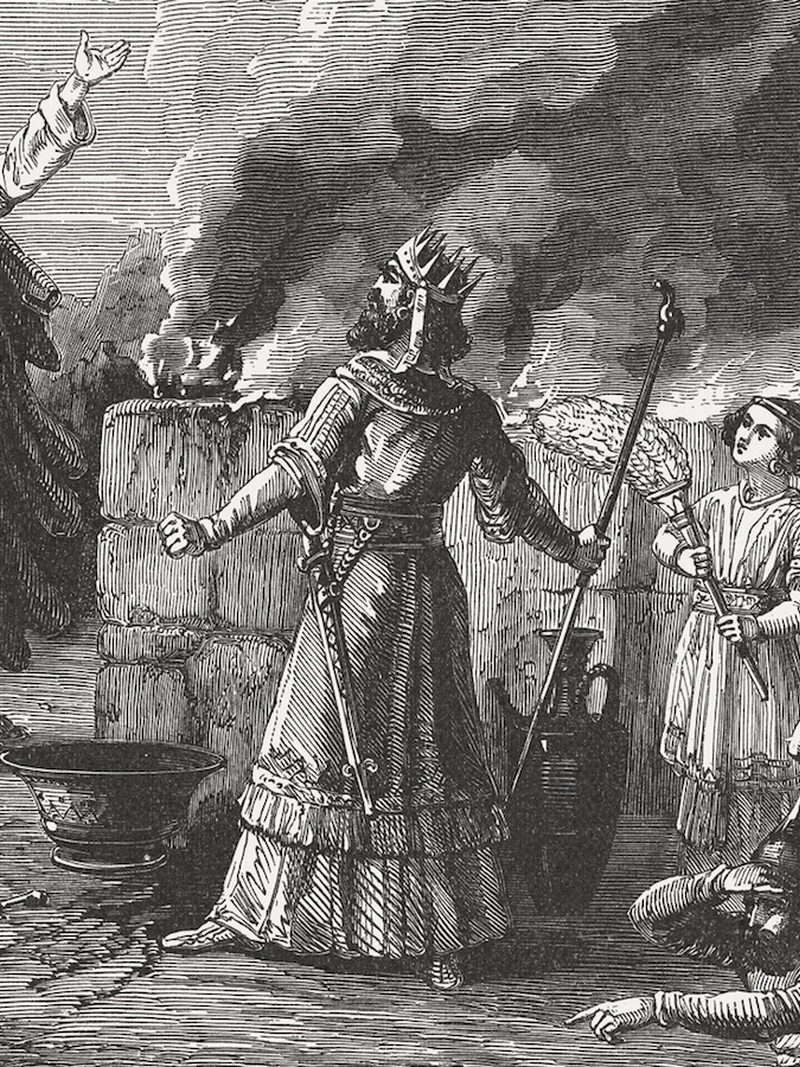
The battle of Gog and Magog is found in Ezekiel 38-39. My purpose in this brief essay is to propound an explanation for this passage that I have not encountered in any of my commentaries, but that makes more sense to me than any other. I offer it here in…

by James B. JordanJanuary 16, 2018
resurrection

Deep Hope

I. Varlam Shalamov in Kolyma Tales describes his experience of the Gulag, where he spent more than a dozen of years. In a story titled The Life of Engineer Kipreev Shalamov reflects on the theme of hope in the life of a prisoner: “Hope always shackles the convict. Hope is…

by Bogumil JarmulakJanuary 11, 2018
abraham-defeats-kings-g-jollain-2
Biblical Theology

Abram’s 318 Men

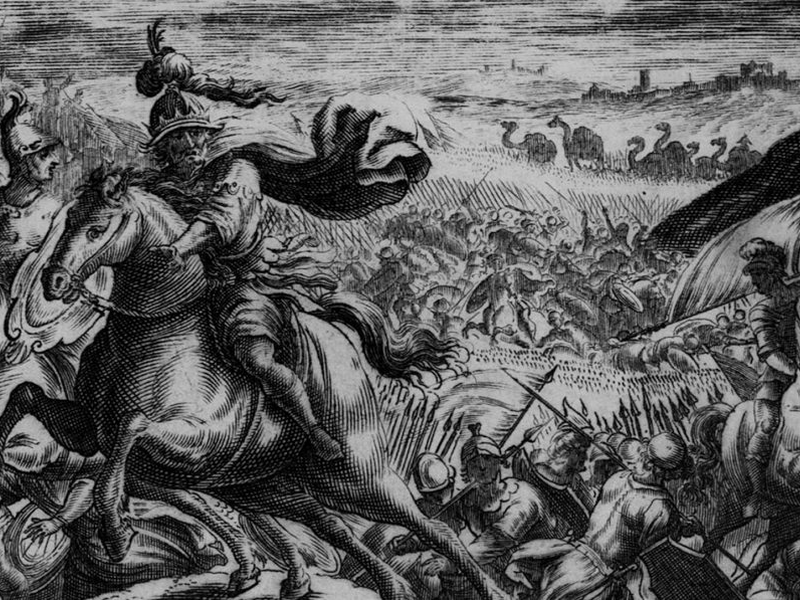
Genesis 14:14 says that Abram mustered his trained men, “born in his house,” to rescue Lot, and gives their number as 318. It is clear that the precise number is provided for some reason, but what is it? S. Gevirtz notes that 318 is the sum of all the prime…

by James B. JordanJanuary 9, 2018
tanner-mardis-xuxghzhibn4-unsplash-1
Biblical Studies

The Flying Scroll

And he said to me, "What do you see?" And I answered, "I see a flying scroll; its length is twenty cubits and its width ten cubits" (Zechariah 5:2). Immediately following his vision of the outpouring of the Spirit upon the restoration community (4:1-14), Zechariah saw a flying scroll. The…

by Peter LeithartJanuary 4, 2018

Showing page 100 of 309

See all
See all
Theology

Rehabilitating patriarchy

Russell Moore gave a vigorous presentation at ETS on why egalitarians are winning the evangelical gender debate. He summarized some of the recent sociological work on evangelical family life, which presents a mixed picture. On the one hand, Bradford Wilcox’s Soft Patriarchs, New Men shows that evangelical fathers are not…

November 18, 2005
Literature

Herod’s fears

In For the Time Being , W. H. Auden described Herod’s reaction to the news that “God has been born.” If this is true, and if the news gets out, Herod thinks, all is lost; confusion will reign. The passage is one of the most effective descriptions of the nature…

November 17, 2005
Literature

Herod’s fears

In For the Time Being , W. H. Auden described Herod’s reaction to the news that “God has been born.” If this is true, and if the news gets out, Herod thinks, all is lost; confusion will reign. The passage is one of the most effective descriptions of the nature…

November 17, 2005

Emerson as Sacramental Theologian

Lundin spends considerable time describing Emerson’s rejection of Christian orthodoxy in favor of an American version of Romanticism, and shows that Emerson’s departure from orthodoxy centered on his rejection of the Eucharist. Emerson resigned his post at the Second Church of Boston because he could no longer administer the Supper…

November 17, 2005
Literature

Lewis as critic

Toward the close of Lundin’s book, he offers a number of intriguing criticisms of CS Lewis as a literary critic. He claims that while Lewis recognized the corrosive effects of the Enlightenment and Romantic conception of the self in his theological writings, he adopted a form of romanticism in his…

November 17, 2005
Philosophy

Denken ist Danken

One of the important themes that emerges from Lundin’s book (mentioned in the previous post) is the centrality of gratitude in thought. Heidegger, he says, “was fond of the seventeenth-century Pietist phrase Denken ist Danken , ‘to think is to thank.’” Lundin expounds the point a few pages later: “Through…

November 17, 2005

Showing page 1924 of 2212

Browse by Category

In Medias Res

Your weekly digest for all things Theopolis.

Donate

Theopolis is nearly 100% donor-supported. Consider joining us on our mission.