Theopolis Logo

Writing

Explore our collection of theological essays, biblical studies, and reflections on faith and culture.

See all
cloister

Gatekeepers

1 Chronicles 9:1 seems to bring the genealogies of 1 Chronicles to an end. The Chronicler has recorded the genealogy of the human race from Adam, focusing on the descendants of Abraham through Jacob. Summing it all up, he says, “So all Israel was enrolled by genealogies; and behold, they…

by Peter LeithartJune 21, 2016
trinity-1-2
Trinity

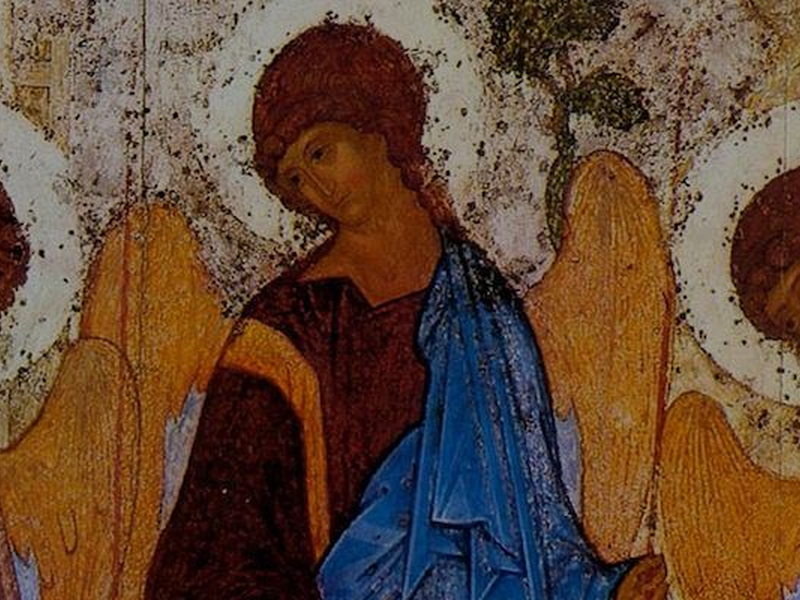
Are the Divine Persons Persons?

The “personalist” understanding of the Trinity, articulated most influentially in the work of John Zizioulas, has fallen on hard times. Recent scholars have attacked Zizioulas’s idea that Cappadocian Trinitarianism represented an ontological revolution, hammering on the distinction between divine and human personhood. Michel Barnes’s conclusion is the most drastic of…

by Peter LeithartJune 16, 2016
img_4660-2
Architecture

On Biblical Theology

Biblical Theology is often defined as the historical unfolding of God’s revelation, or of God’s revelation and of the history of his covenantal redemption and transformation of humanity and the world. In practice, Biblical Theology is usually broader than this, and also includes the study of literary structure and of…

by James B. JordanJune 14, 2016
laughing_statue_by_xxbobbiie-d5f0meh-2
Humor

Wise Laughter

We are made to be happy. Created to enter into the eternal joy of God, our whole being inclines to that end, but the fallen world has put forth barriers and by our own sin we bar ourselves from that endless delight, and death blinds us to that reality. Yet…

by Remy WilkinsJune 7, 2016
img_7664
Liturgy

Why Theopolis? Take Two

At the end of Revelation, John sees the heavenly city descending to earth. The city shines with the brilliance of God's glory, which lightens the nations, so that kings bring their glory to the city. This is not a vision of the final new heaven and new earth. It's a…

by Peter LeithartJune 2, 2016
trinity-1-2
Attributes of God

How Can We Talk About God?

“No one has ever seen God,” writes John (John 1:18). If this is the case, then how can we speak about God? Some people say we actually cannot. Or at least we cannot speak about God positively, i.e. who He is. We can only say who or what God is…

by Bogumil JarmulakMay 31, 2016

Showing page 130 of 309

See all
See all

Treason, Tyranny, Thanks

As early as Xenophon, ingratitude has seen as a cause of sedition, and during the middle ages the social and political context of feudalism strengthened this link. Xenophon wrote, “And they [the Persians] bring one another to trial also charged with an offense for which people hate one another most…

November 24, 2015

Creator and Creature

In a brief 2002 essay on “Creator and Creature,” reprinted in Theology as Revisionary Metaphysics , Robert Jenson admits that “we indeed need to move conceptually outside the biblical narrative as such,” but he argues that common ways of conceptualizing the Creator-creature distinction are self-contradictory, incoherent, or depart from the…

November 23, 2015

Chinese Future?

Is China poised to rule the world? Will its growing economic and political clout fundamentally transform the way the world whirls? Ho-fung Hung ( China Boom ) doesn't think so. On the contrary, China “has both helped to perpetuate the existing U.S.-centered global neoliberal order and reshaped the balance of…

November 23, 2015

Rousseau, Modernity, Music

The contributors to Rousseau and the Dilemmas of Modernity share a skepticism of accounts of “Rousseau the totalitarian” and “Rousseau the illiberal menace.” Positively, they share a conviction that Rousseau has great relevance to present day dilemmas. As editor Mark Hulliung says, “When it comes to whether we can attain…

November 23, 2015

When the World's Gone Crazy

Isaiah 19-20:6 is an oracle against Egypt. It's not good news for Egypt. Egypt will come under a savage king. The following verses evoke the plagues and the passage through the sea: waters dried up (v. 5), canals emit a stench as they did when the fish died in the…

November 20, 2015
Architecture

Pugin the Functionalist

Nikolaus Pevsner ( The Sources of Modern Architecture and Design ) quotes Augustus Welby Northmore Pugin, writing in 1841: “There should be no features about a building which are not necessary for convenience, construction, or propriety . . . The smallest detail should . . . serve a purpose, and…

November 20, 2015

Showing page 348 of 2212

Browse by Category

In Medias Res

Your weekly digest for all things Theopolis.

Donate

Theopolis is nearly 100% donor-supported. Consider joining us on our mission.