Theopolis Logo

Writing

Explore our collection of theological essays, biblical studies, and reflections on faith and culture.

See all
evangelists
Matthew

Dating Matthew, (Part 1)

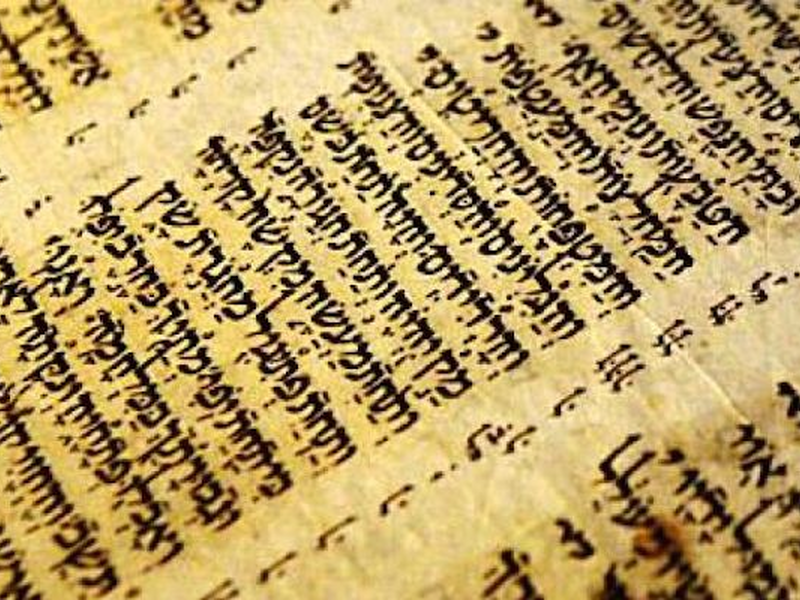
When might the Gospel according to Matthew have been written? Of course, any answer can only be speculation, but that does not mean we are reduced to groundless opinion. In this series of articles I point the way to an approach different from the general consensus among scholars today which…

by Ralph Allan SmithNovember 22, 2016
hebrew-manuscript-3
Hermeneutics

Synopticity, (Part 2)

In my first essay on “synopticity” I offered a rather rough definition of the phenomenon and important, though not exhaustive examples. In this essay, I want to introduce broader aspects of the phenomenon of “synopticity.” The first example that I have in mind is conventional stories, stories of different historical…

by Ralph Allan SmithNovember 17, 2016
screen-shot-2016-03-31-at-9-32-11-am
Ascension

Brexit and the Binding of Satan, Part 4

Since the judgment of Babel was followed by the initiation of the circumcision, the impending end of the circumcision in AD70 explains the significance of the first century miracle of foreign tongues. Except for a few Aramaic “teasers” in the book of Daniel, the Word of God was monolingual and…

by Mike BullNovember 15, 2016
four-evangelists
Hermeneutics

Synopticity, (Part 1)

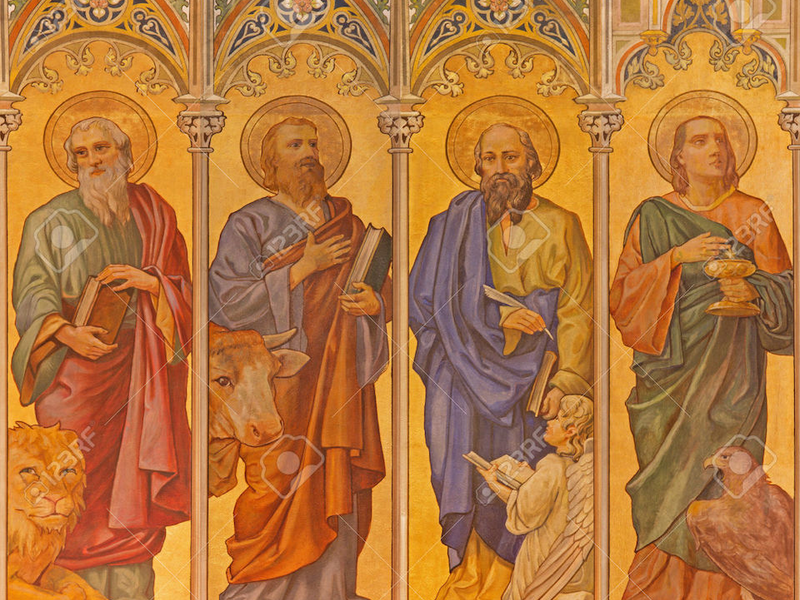
To the best of my knowledge “synopticity” is not a word used in theology or Biblical studies, but it seems an appropriate word to describe the kind of phenomena associated with the Synoptic Gospels, Matthew, Mark, and Luke. These three Gospels tell essentially the same story with significant — sometimes…

by Ralph Allan SmithNovember 10, 2016
laughing_statue_by_xxbobbiie-d5f0meh-2
Humor

Learning to Laugh

Humor is a funny thing. It is altogether familiar yet also mysterious. What makes us laugh? Why do we find things funny? There are academic fields of study dedicated to discovering what makes things humorous. These academicians even have a journal entitled International Journal of Humor Research . No joke.…

by Bill SmithNovember 8, 2016
chaucer
Literature

Flawed Means of Grace: Liturgy in The Pardoner's Tale

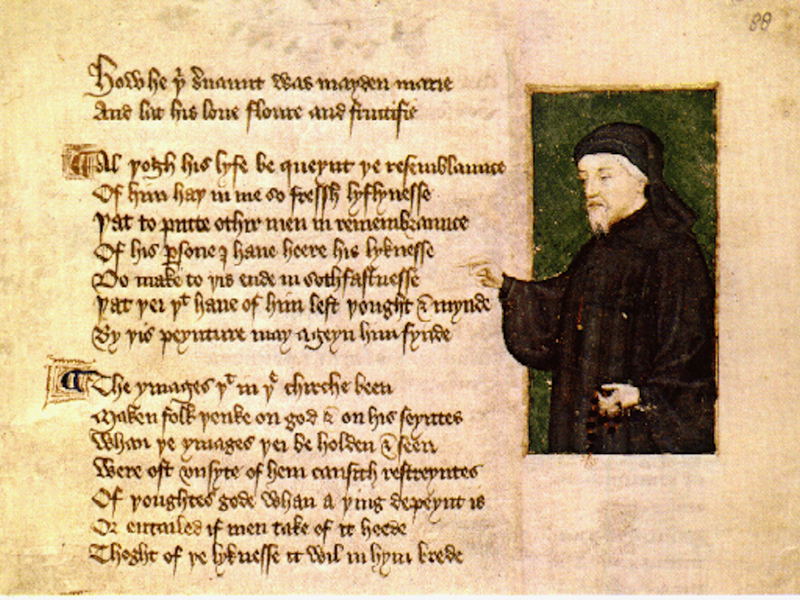
Out of all the characters in Geoffrey Chaucer’s The Canterbury Tales , the Pardoner has been called the “one lost soul.” The pious Parson, who closes out the collection of tales with a sermon on the seven deadly sins and how a sinner can absolve himself of them, connects the…

by Christian LeithartNovember 3, 2016

Showing page 122 of 309

See all
See all
American Religion

America and the Outsiders

Laurence Moore's Religious Outsiders and the Making of Americans is a study of American religion that is not considered “mainstream” or “mainline”—Mormons, Catholics, Jews, Christian Science, Fundamentalists, Black churches. The goal is not to fill in a gap. The goal is to challenge the assumption that the “mainline” should function…

September 21, 2015

Sabbath

After John introduces the new scene – “I saw another sign in the heaven, great and marvelous” – the sign is described with two clauses (Revelation 15:1). The first is, woodenly translated, “angels seven having plagues seven the last”; and the second it “in them finished the passion of God.”…

September 21, 2015
Christendom

Christendom v. Christendom

Both Old and New Testaments, writes David Martin ( Pentecostalism , 12) include principles that “by persistent extension and deepening . . . can divest systems of authority of their justification and turn law into a matter of inward judgement and sincerity rather than external observance.” “Rend your heart and…

September 21, 2015

Blindness and Sight

Greek myths valorize blindness. Tiresias is a blind seer, and when Oedipus finally “sees,” he becomes Tiresias, digging out his eyes with Jocasta's brooches. The bard who sings of the Trojan War in the Odyssey is, like Homer himself, blind. For the Greeks, the sightless are the true seers. Scripture…

September 18, 2015

Power, Propaganda, Pack

The saints playing harps and singing on the fiery firmament are there because they are victorious over three enemies: the beast, the image of the beast, and the number of the beast's name (Revelation 15:2). When we look back at how those three are presented earlier in Revelation, we realize…

September 18, 2015

Girard and the Gospel

Girard's theory of scapegoating as the great virtue of explaining how the death of Jesus can remake human society. By refusing to acknowledge sin, Jesus becomes the innocent scapegoat, and thereby exposes the scapegoat mechanism for what it is. That exposure is the good news, and undoes the perverse dynamics…

September 18, 2015

Showing page 374 of 2212

Browse by Category

In Medias Res

Your weekly digest for all things Theopolis.

Donate

Theopolis is nearly 100% donor-supported. Consider joining us on our mission.