Theopolis Logo

Writing

Explore our collection of theological essays, biblical studies, and reflections on faith and culture.

See all
evangelists
Matthew

Dating Matthew, (Part 1)

When might the Gospel according to Matthew have been written? Of course, any answer can only be speculation, but that does not mean we are reduced to groundless opinion. In this series of articles I point the way to an approach different from the general consensus among scholars today which…

by Ralph Allan SmithNovember 22, 2016

hebrew-manuscript-3
Hermeneutics

Synopticity, (Part 2)

In my first essay on “synopticity” I offered a rather rough definition of the phenomenon and important, though not exhaustive examples. In this essay, I want to introduce broader aspects of the phenomenon of “synopticity.” The first example that I have in mind is conventional stories, stories of different historical…

by Ralph Allan SmithNovember 17, 2016
screen-shot-2016-03-31-at-9-32-11-am
Ascension

Brexit and the Binding of Satan, Part 4

Since the judgment of Babel was followed by the initiation of the circumcision, the impending end of the circumcision in AD70 explains the significance of the first century miracle of foreign tongues. Except for a few Aramaic “teasers” in the book of Daniel, the Word of God was monolingual and…

by Mike BullNovember 15, 2016
four-evangelists
Hermeneutics

Synopticity, (Part 1)

To the best of my knowledge “synopticity” is not a word used in theology or Biblical studies, but it seems an appropriate word to describe the kind of phenomena associated with the Synoptic Gospels, Matthew, Mark, and Luke. These three Gospels tell essentially the same story with significant — sometimes…

by Ralph Allan SmithNovember 10, 2016
laughing_statue_by_xxbobbiie-d5f0meh-2
Humor

Learning to Laugh

Humor is a funny thing. It is altogether familiar yet also mysterious. What makes us laugh? Why do we find things funny? There are academic fields of study dedicated to discovering what makes things humorous. These academicians even have a journal entitled International Journal of Humor Research . No joke.…

by Bill SmithNovember 8, 2016
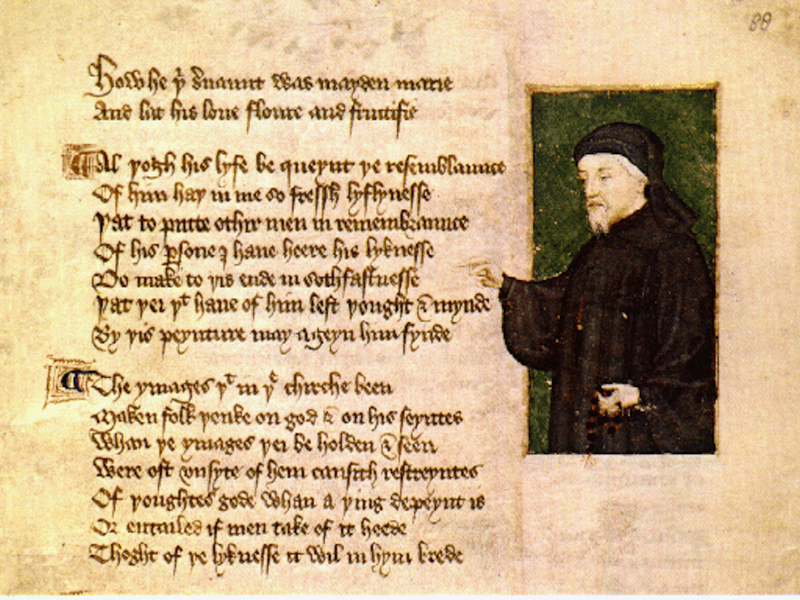
chaucer
Literature

Flawed Means of Grace: Liturgy in The Pardoner's Tale

Out of all the characters in Geoffrey Chaucer’s The Canterbury Tales , the Pardoner has been called the “one lost soul.” The pious Parson, who closes out the collection of tales with a sermon on the seven deadly sins and how a sinner can absolve himself of them, connects the…

by Christian LeithartNovember 3, 2016

Showing page 122 of 309

See all
See all

Eucharist, Evangelical and Catholic

Theodore Beza's opening speech at the Colloquy of Poissy was a model of irenic Protestantism (Nugent, Ecumenism is the Age of the Reformation ). He stressed the creedal commonalities of Rome and the Reformed, and argued that the differences were “matters of interpretation” and unnecessary accretions” (97). As Nugent says,…

September 16, 2015

Phone Booth

Way out in the Mojave desert is a phone booth. Some years ago, a resident of LA published a picture, which inspired Godfrey Daniels to start calling the phone. He was prepared to keep calling for years until someone picked up. A month later, Lorene Aiken, who worked at the…

September 16, 2015

Conformist Subversives

To secular analysts, “Progressive Pentecostals” seem naively apolitical. In their study of Global Pentecostalism , Donald Miller and Tetsunao Yamamori agree that the “integral” or “holistic” Pentecostals that they study are not social gospellers or liberation theologians. They don't aim to “reform social structures or challenge government policies.” They are…

September 16, 2015

Exit and Voice

What do people do when social institutions go wrong? Albert Hirschman ( Exit, Voice, and Loyalty ) argues that there are two main alternatives: One withdraws (exit) or one speaks out (voice). He admits that these categories sound “suspiciously neat,” but defends them because they “reflect a more fundamental schism:…

September 15, 2015

Deuteronomic Penalties

Deuteronomy 25 begins like a law-and-order text. Judges are to condemn the wicked and justify the innocent. Convicted criminals are beaten, and beaten publicly “in the presence” of the judge, beaten as much as his crime deserves (v. 2). Verse 3 takes a slight turn: It places a limit on…

September 15, 2015

Irenicism in the Reformation

“Perhaps irenicism is the finest synthesis of Renaissance and Reformation,” writes Donald Nugent in his 1974 monograph on the Colloquy of Poissy, Ecumenism in the Age of the Reformation (4). The irenicists had roots in the late medieval conciliarism and in Cusa's efforts to unite contraries, but it was humanism…

September 15, 2015

Showing page 376 of 2212

Browse by Category

In Medias Res

Your weekly digest for all things Theopolis.

Donate

Theopolis is nearly 100% donor-supported. Consider joining us on our mission.