Theopolis Logo

Writing

Explore our collection of theological essays, biblical studies, and reflections on faith and culture.

See all
sacre-bleu-r__kixb0i5m-unsplash
Death

Integrity

Integrity seems to have two meanings. It can mean the quality of being honest and having strong moral principles. A man of integrity is a person of honour, rectitude and probity, truthful and trustworthy. Integrity also describes a state – the quality of being whole and undivided. If things are…

by Arthur KayMarch 19, 2015

emmanuel-phaeton-1bwmfmvybi8-unsplash
Psalms

Psalm 32 Commentary

Get the Psalm 32 Translation here Psalm 32 is the first part of Ps. 32-33, ending with a call to praise that is answered by what follows. Ultimately the psalm needs to be considered as a whole, but what we call Psalm 32 does have its own structure and logic,…

by James B. JordanMarch 18, 2015
laughter
Humor

On Crude Humor

You wouldn’t hit a man with glasses would ya? No, of course not. I’d hit him with a bat. In our culture of frivolity it is tempting for Christians to think that solemnity should be our defining attribute. The coarseness of the world impedes us from enjoying any sort of…

by Remy WilkinsMarch 17, 2015
standingonamountain
Creation

Maker of Heaven and Earth, Part 2

Taking a cue in my last post from early Christian apologetics, I suggested that if we wish to articulate and defend a doctrine of creation ex nihilo in contemporary theology, we would do well to offer a thick description of Yahweh’s divine monarchia (his sole rule or sovereignty). Rather than…

by Stephen LongMarch 12, 2015
mountain-top-2
Creation

Catechism of the Universe

I’m not sure we really understand the insidiousness of unbelief. It is not merely to reject the gospel of Jesus, the existence of a Creator God, or to question biblical morality. At its core, unbelief is ingratitude, and by the very nature of this ingratitude, it must ultimately reject every…

by Toby SumpterMarch 10, 2015
jonah-under-gourd
Mark

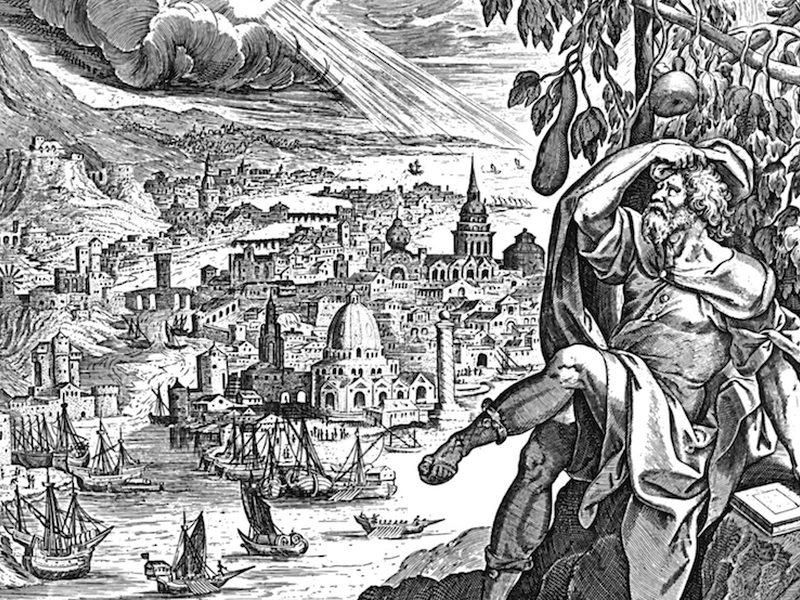
The True Jonah and Lenten Fasting

Mark’s narrative of the baptism of Jesus is characteristically brief: “In those days Jesus came from Nazareth of Galilee and was baptized by John in the Jordan. And when he came up out of the water, immediately he saw the heavens being torn open and the Spirit descending on him…

by Arthur KayMarch 9, 2015

Showing page 158 of 309

See all
See all

Anointed Bread

Leviticus is the oilest book of the Bible. The Hebrew shemen is used 42 times (6 x 7); the closest competitor is Numbers, with 34 uses. The uses of shemen are clustered. Leviticus 2 uses the word 9 times, all with reference to the preparation of the tribute offering (…

March 25, 2019
egptian-art

Broken Noses

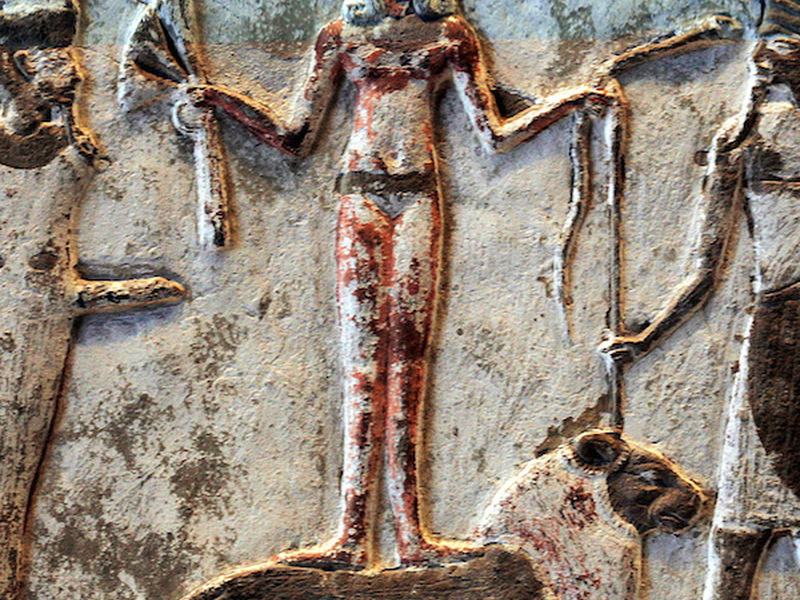
Why do so many Egyptian statues have broken noses? Julia Wolkoff summarizes the answer of Brooklyn Museum curator Edward Bleiberg. Noses protrude, and so are more apt to be knocked off accidentally, but the pattern is too consistent to be accident. Erosion could account for some, but not all. Bleiberg…

March 20, 2019
13714bedda625c2ec1816f0890ed72f4-snow-storms-image-photography
Ecclesiology

Ecclesial Ethics

Some snippets from Philip Turner's Christian Ethics and the Church . The premise of Turner's book is well summarized by a passage he quotes from Sabina Lovibond's Ethical Formation : "The ethical, let us say, pertains to what people learn to value through immersion in a community acquainted with ideas…

March 13, 2019

Nose to Nose

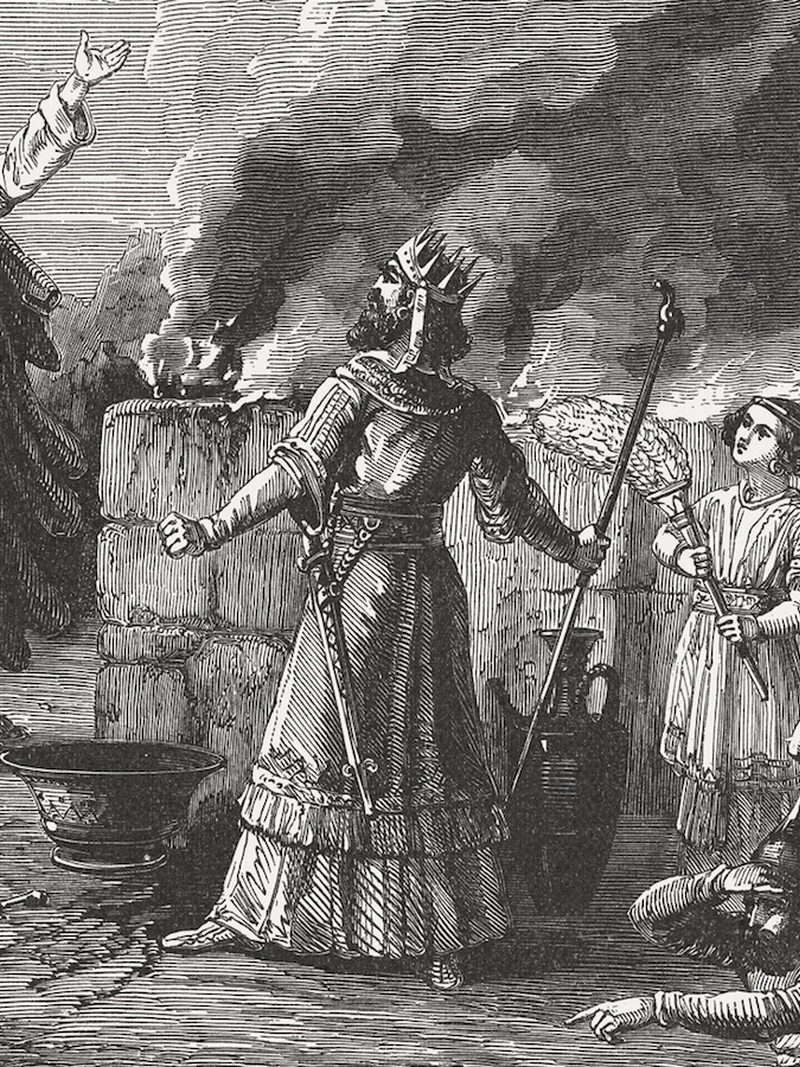
Levitical offerings send a "soothing aroma" ( reyach nichoach ) to Yahweh. Israel needs to produce good smells because her sin is noxious to Yahweh. When Israel rebels, His "nose burns." By slaughtering a substitute animal and turing it to smoke, Israel soothes Yahweh's hot nose. But that can't be…

March 11, 2019
Pneumatology

Reading in the Spirit

“Spiritual reading” is usually associated with patristic, monastic, and medieval modes of reading. It's fruitful, however, to shift the focus and ask what the Spirit has to do with our reading. The Spirit is the enlivening breath of God, the water of God who makes us into a fruitful garden.…

March 6, 2019
capitol-dc
Liberalism

Liberalism and Ecclesia

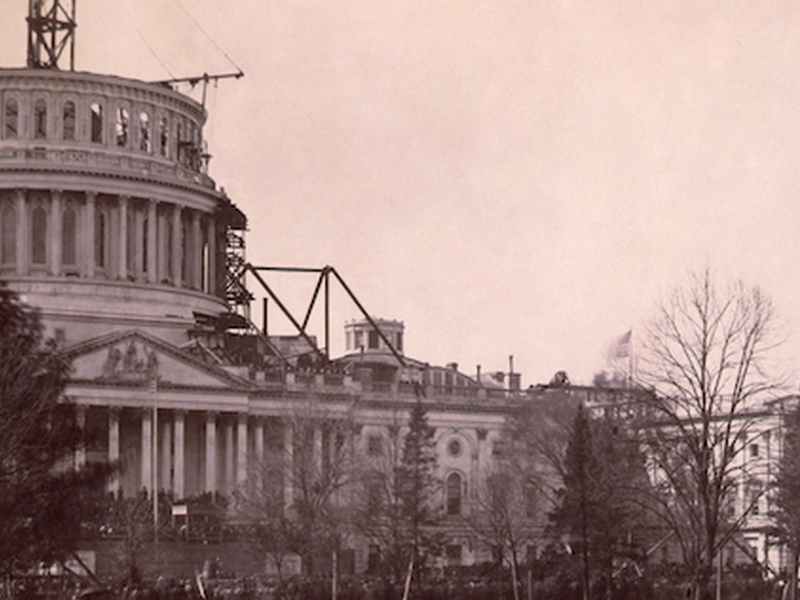
Liberalism is "in origin primarily a refusal of ecclesial power." So write John Milbank and Adrian Pabst ( Politics of Virtue , 31). In refusing ecclesial power, early modern political theorists renounced the arrangement of Latin Christendom. The "first polity knowing no bounds and truly based upon the rule of…

March 4, 2019

Showing page 46 of 2212

Browse by Category

In Medias Res

Your weekly digest for all things Theopolis.

Donate

Theopolis is nearly 100% donor-supported. Consider joining us on our mission.