Theopolis Logo

Writing

Explore our collection of theological essays, biblical studies, and reflections on faith and culture.

See all
trnava-university-beeyeib-am8-unsplash
Biblical Chronology

Meredith G. Kline Strikes Back, Part 2

In our first essay we looked at Kline’s flawed exegesis of Genesis 2:5 as it relates to Day 3 of creation. Now we turn to Kline’s new argument against a chronological reading of Genesis 1, as found, again, in "Space and Time in the Genesis Cosmogony," Perspectives on Science and…

by James B. JordanMarch 29, 1997
30211-bathsheba-800w-tn
Hermeneutics

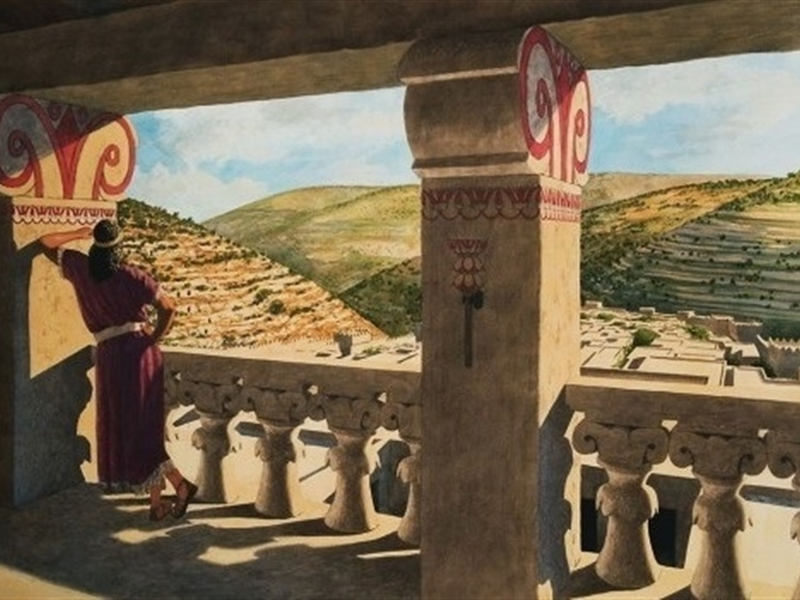
Bathsheba: The Real Story

One of the advantages of paying very close attention to the details in the Bible, especially chronological and genealogical details, is that they can shed light on situations that don’t seem to make much sense apart from them. One such situation is that of Bathsheba. It appears that Bathsheba willingly…

by James B. JordanMarch 28, 1997
jonathan-cooper-ygxq7hfdjzq-unsplash
Church Calendar

Is the Church Year Biblical? | A Parking Lot Parable

Once upon a time, Jeff Meyers and Tony Rollins–old friends who had not seen each other for a few years–met in the parking lot of a neighborhood church. They were dropping off their pre-school children at the church for Mother’s Day Out. They were such conscientious and helpful fathers. As…

by Jeff MeyersMarch 20, 1997
annie-spratt-upxf6to3fea-unsplash
Daniel

The Allegory of Susanna

Years ago, when I was at the briefly-existing Geneva Divinity School, I taught a course in the Apocrypha. One thing that struck me at that time is that two of the stories are almost certainly religious allegories (as well as moral tales): Judith and Susanna. Since "Susanna" means "Lily," this…

by James B. JordanFebruary 28, 1997
serafima-lazarenko-_ivuwprfczi-unsplash
Biblical Horizons

A Blossom of Yahweh’s Field

Peter’s essay inspires me to write up some similar thoughts about the flower of the field. Rightly does Peter associate the almond with Yahweh’s garden, because the Garden of Eden is symbolically positioned as parallel to the Holy Place of the Tabernacle and Temple. To wit: Since Aaron’s rod blossomed…

by James B. JordanFebruary 28, 1997
trnava-university-beeyeib-am8-unsplash
Biblical Chronology

Meredith G. Kline Strikes Back, Part 1

We have had occasion to discuss the views of Meredith G. Kline previously in these newsletters, and now it is time to do so again. Kline teaches at Gordon-Conwell Theological Seminary and also at the Westminster Theological Seminaries (Philadelphia and San Diego). He is the author of some interesting insights…

by James B. JordanFebruary 28, 1997

Showing page 259 of 309

See all
See all

Righteousness of God

Eberhard Jungel ( Justification , 78-80) defines God’s righteousness in terms of His self-consistency: “the doctrine of justification sees God as being utterly consistent with himself and therefore righteous , when it conceives of him as the justifying God who justifies not the righteous, but the unrighteous, not the pious,…

December 3, 2014

Spell for Menacing Wildcat

In their contribution to Purity and the Forming of Religious Traditions , Michael Guichard and Lionel Marti recount a spell for getting rid of a menacing wild cat who brings evil omens by growling and moaning in the yard. Here’s the recipe: At night, the victim set up a stoup…

December 2, 2014
Anthropology

What Is A Symbolic Boundary?

Symbolic boundaries might appear to be merely metaphorical. They aren’t real boundaries. We only treat them as boundaries. Presumably, what is meant here by a “real boundary” is a fence, wall, or other artificial or natural obstacle that prevents us from moving from where we are to the far side…

December 2, 2014

Life in the Spirit

The flesh is weak, vulnerable. We don’t like being weak and vulnerable. So life according to the flesh is reactive. We recoil from pain. We retaliate to protect ourselves. The Spirit resists the reactiveness of the flesh. As can be seen in the Spirit-filled Jesus, the Spirit revels in vulnerability.…

December 2, 2014

No Sacraments, No Protestantism

A few weeks back, I published a brief essay on Protestantism and sacraments on the Patheos site. Some of my friends have clamored for clarifications. Hence this post. My claim was that Protestantism cannot achieve its pastoral aims without high view of the efficacy of sacraments. I focused on baptism.…

December 2, 2014

Injustice that Suppresses Truth

Reformed theologians and epistemologists tend to psychologize Romans 1:18-32. God’s character and demands are evident in the creation, but human beings, while knowing God, suppress the truth in unrighteousness. Sinners become double-minded, both knowing God and not-knowing, both aware of the truth but denying the truth, and becoming self-deceived in…

December 1, 2014

Showing page 492 of 2212

Browse by Category

In Medias Res

Your weekly digest for all things Theopolis.

Donate

Theopolis is nearly 100% donor-supported. Consider joining us on our mission.