Theopolis Logo

Writing

Explore our collection of theological essays, biblical studies, and reflections on faith and culture.

See all
screen-shot-2021-03-02-at-10-31-45-am
Marriage

Eating the Meat, or Inviting Colonization?

One common trope which is regularly invoked in current debates about the defensibility versus the danger of Christian engagement with critical theories (or, species of Critical Theory) is the idea of “ eating the meat but spitting out the bones .” Usually not far behind is a nod to the…

by James WoodMarch 2, 2021

screen-shot-2021-02-25-at-10-59-54-am
Proverbs

Proverbial Eschatology

I am writing about the book of Proverbs in the Bible and “Eschatology.” I don’t refer only to the end of time, or “last things” that will happen in history before it ends as we know it. I am referring to all times of God’s judgment wherein He ends an…

by Mark HorneFebruary 25, 2021
maxresdefault
Augustine

Primacy of Worship for Political Unity

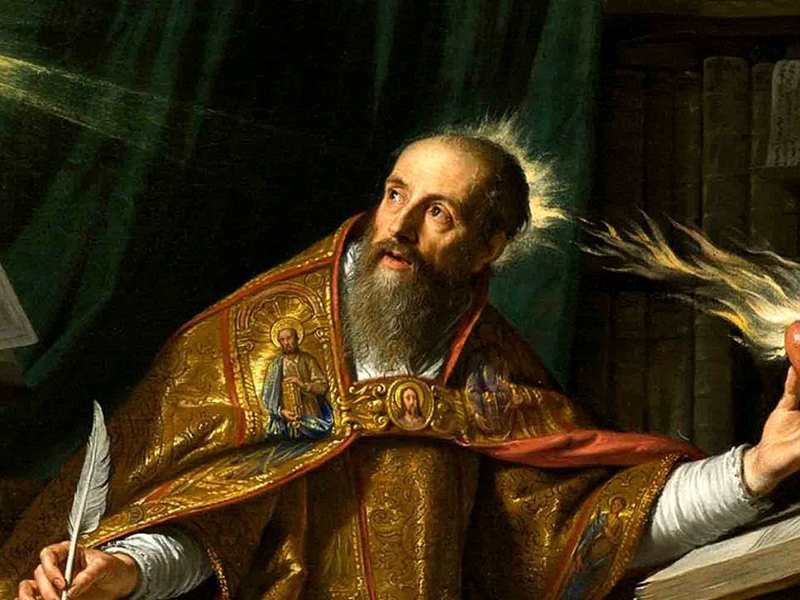
“Unity” is the word of the day. In his inaugural address, Joe Biden invoked St. Augustine to inspire Americans to come together around certain shared values. As others have recently argued, Biden misreads Augustine in important ways. My argument here is that if we seek political unity and civic health…

by James WoodFebruary 23, 2021
arseny-togulev-apq9q5pkits-unsplash
Matthew

Jesus, the Temple Tax and Four-Fold Atonement

This is part two of a series which began here ( The Half Shekel Temple Tax ) in which I answer back, hoping not to rebut but to glorify, some observations Peter Leithart made in a thought-provoking piece about the Temple Tax as atonement ( Atonement Money ). Adding economic…

by Jerry BowyerFebruary 16, 2021
simple-frame-photography-studio-facebook-cover
American Culture

Wokeness as Post-Protestant Neopaganism

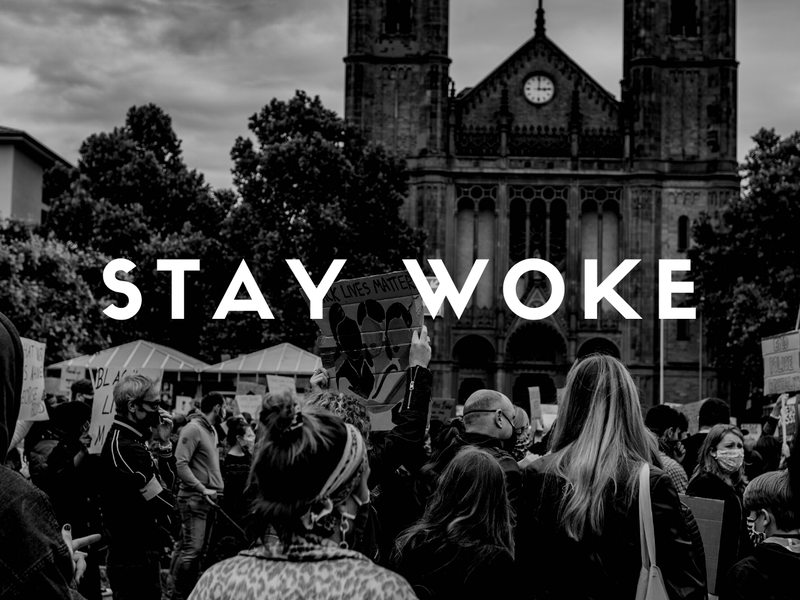
It is now commonplace to characterize Wokeness (or “ Wokeism ”) as a religion , or at least religion-like . What I would like to explore is an elaboration on this emergent consensus, supplementing it with some theological analysis. Wokeness, I propose, is a form of post-Protestant neopaganism. It resembles…

by James WoodFebruary 9, 2021
960x0
Movies

Alien 3: Through New Eyes

Science Fiction movies often retell old stories and myths with greater impact for modern people. A being from another world or a technologically advanced human can embody an ancient god or demon and viewers are suddenly unwittingly enthralled by Ur tales that emerged from hundreds of years of human experience.…

by Jacob GuckerFebruary 2, 2021

Showing page 58 of 309

See all
See all

Soldiers, Martyrs, Choristers

The numbering of the sealed in Revelation 7 alludes to the census events of the book of Numbers. There, Moses initially numbers men twenty years and older, mustering them as the troops that will conquer the land. (The second census, in Numbers 26, includes women and has a different focus.)…

November 26, 2014
Trinity

Are the Divine Persons Persons?

The “personalist” understanding of the Trinity, articulated most influentially in the work of John Zizioulas, has fallen on hard times. Recent scholars have attacked Zizioulas’s idea that Cappadocian Trinitarianism represented an ontological revolution, hammering again and again the distinction between divine and human personhood. Michel Barnes’s conclusion is the most…

November 26, 2014
Theology

Protestant Eyes

Protestant soteriology claims to deal with perennial patterns of behavior and belief: Striving for approval from God by our performance, self-righteousness, works-righteousness, pride in our achievements, etc. Let’s grant that these are perennial patterns of behavior, though they will likely take various forms in different cultural settings. That’s not just…

November 25, 2014

Paul and the Petty Tyrants

Theodore Jennings ( Transforming Atonement , 158) observes that “what is visible on the grand scale of imperial political history also lodges itself in the dynamics of quite small-scale communities, including those that may seem to be, and may think of themselves as, and may even in important respects actually…

November 25, 2014

The Grounds of Justification

Markus Barth ( Acquittal by Resurrection ) sharply raises the question of the justice of God’s verdict of justification. How can God pronounce the guilty innocent, the ungodly righteous? Barth raises the stakes by insisting that the justice should be evident to all: “If after the proclamation of a verdict,…

November 25, 2014

The Liturgical Formation of Culture

Over at the Theopolis Institute site , I offer some reflections on the liturgical formation of culture through a consideration of the biblical anatomy of human action.

November 25, 2014

Showing page 494 of 2212

Browse by Category

In Medias Res

Your weekly digest for all things Theopolis.

Donate

Theopolis is nearly 100% donor-supported. Consider joining us on our mission.