Theopolis Logo

Writing

Explore our collection of theological essays, biblical studies, and reflections on faith and culture.

See all
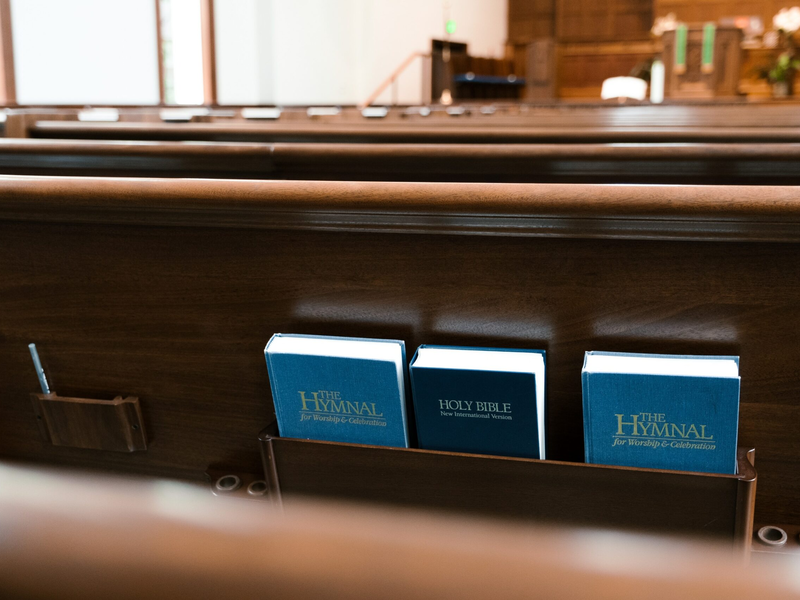
skyler-gerald-oygna91tfis-unsplash
Biblical Horizons

Hymn Bark #5: Healing Bad Eschatology

1. Come, Ye Thankful People, Come. This hymn by Henry Alford is found in many hymnals, including Cantus Christi . Yet, the last stanza radically contradicts the theological perspective of the historic faith and of the editors of this hymnal. It is a witness to how we tend to bounce…

by James B. JordanSeptember 20, 2011

dariusz-sankowski-abamxzlot8e-unsplash
Biblical Studies

Biblical Theology Basics: Part 7

This series of post were originally published at the Biblical Horizons blog. The entire paper can be downloaded HERE . 7. The Literary Shape of the Covenant As we have seen, there is a succession of covenants in the Bible, each more glorious than the previous, each absorbing and transfiguring…

by James B. JordanSeptember 16, 2011
dariusz-sankowski-abamxzlot8e-unsplash
Biblical Studies

Biblical Theology Basics: Part 6

This series of post were originally published at the Biblical Horizons blog. The entire paper can be downloaded HERE . 6. Covenant Phases in the Bible Thus far we have spoken of only three phases in the history of the one covenant. We must now divide the third phase into…

by James B. JordanSeptember 8, 2011
dariusz-sankowski-abamxzlot8e-unsplash
Biblical Studies

Biblical Theology Basics: Part 5

This series of post were originally published at the Biblical Horizons blog. The entire paper can be downloaded HERE . 5. Priest, King, and Prophet We can begin with the phrase “prophet, priest, and king.” This is the order normally heard from preachers and theologians. But it is not really…

by James B. JordanSeptember 3, 2011
kyler-nixon-urkdeazlvtq-unsplash
Biblical Horizons

Hymn Bark #4: "Christian, Dost Thou See Them' & "I Heard the Voice of Jesus Say"

This is a fine hymn by John Mason Neale, based on an ancient Greek church hymn. The opening question is particularly powerful: “Christian, dost thou see them on the holy ground, how the powers of darkness compass thee around?” Yes, the devil strikes in the very church and her worship…

by James B. JordanSeptember 1, 2011
skyler-gerald-oygna91tfis-unsplash
Biblical Horizons

Hymn Bark #3: It Is Well With My Soul

This syrupy piece of marijuana-haze hymnody is found in the hymnals of churches that have substituted sentiment for orthodoxy and worship. Hence you don’t find it in older Presbyterian hymnals, but in the Trinity Hymnal. Nor do you find it in Episcopal and Lutheran hymnals until very recently in some…

by James B. JordanAugust 31, 2011

Showing page 202 of 309

See all
See all
Literature

The Politics of Playing

Plays might be promoted as a kind of opiate of the masses: Mass entertainment that keeps them from more violent entertainments like rioting and pillaging. This could be problematic, if the entertainments were too heady for most people to follow. Thomas Heywood (1612) suggested that playwrights should “ayme . .…

September 28, 2006
Literature

Shakespeare regulated

How regulated was Shakespeare’s own theater? And for what reasons? Patterson highlights various reasons for closing or permitting theaters: audience composition, including the fear that a large collection of workers might be distruptive; public health; economic concerns; religious and moral concerns, especially Sabbatarian; and “a shifting and elusive imperative to…

September 28, 2006
Literature

American Shakespeare

Shakespeare’s fortunes in the US were, understandably, different from in England. Initially, Shakespeare was America’s most popular playwright, appealing to a wide sector of the American populace. Patterson notes that “by the end of the nineteenth century ‘Shakespeare’ had become a cultural icon, the property only of the ‘legitimate theater,’…

September 28, 2006
Literature

Popular Shakespeare

Annabel Patterson notes ( Shakespeare and the Popular Voice ) that contemporary critics, whatever their own political outlook, assume that Shakespeare was an advocate of Elizabethan hierarchy. This view, however, is a product of the 19th century. Dryden, Johnson, and others criticize Shakespeare for violating the conventions of his genre,…

September 28, 2006
Literature

Courtly Shakespeare, IV

By the 18th century, acting styles also invested Shakespeare with “courtly” virtues of control, dignity, stateliness. Dobson writes, “Shakespearian acting . . . in the decades following Betterton’s death in 1710, seems to have settled into a grandiloquent vein of static declamation, best exemplified by the stout James Quin (1693-1766)…

September 28, 2006
Literature

Courtly Shakespeare, III

Dobson again: “after Charles II’s death in 1685 England would never again have another monarch with such an informed interest in the drama (or, mercifully, such a lascivious one), and deprived of royal patronage and protection the playhouses came under renewed attack from the moralists (led by the redoubtable clergyman…

September 28, 2006

Showing page 1785 of 2212

Browse by Category

In Medias Res

Your weekly digest for all things Theopolis.

Donate

Theopolis is nearly 100% donor-supported. Consider joining us on our mission.