Theopolis Logo

Writing

Explore our collection of theological essays, biblical studies, and reflections on faith and culture.

See all
screen-shot-2018-10-25-at-1-08-06-pm
John

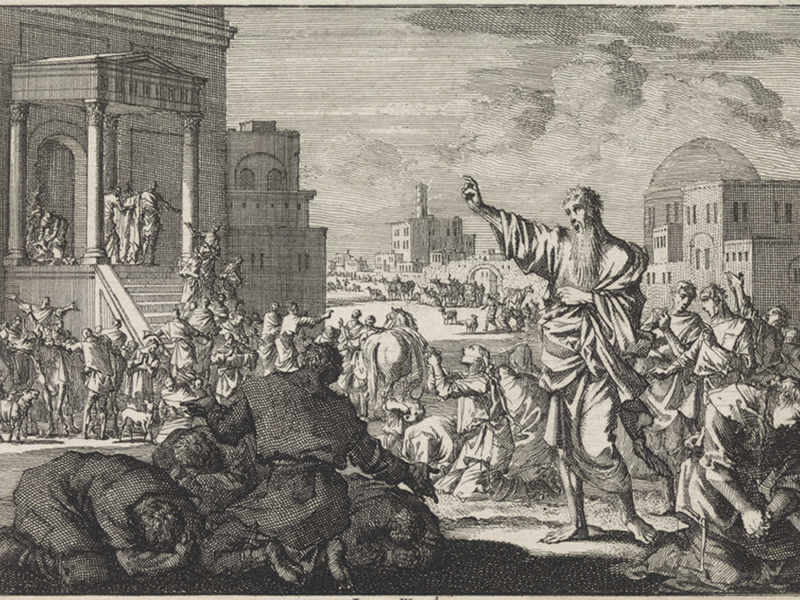
What did Jonah Know?

When a certain Samaritan village refused Jesus’ attempt to visit, James and John asked Jesus if they should call down fire from heaven upon it. The allusion to the story of Sodom and Gomorrah is evident, but, as the story shows, James’ and John’s thinking was entirely warped. Jesus rebuked…

by Ralph Allan SmithOctober 25, 2018
1zey30peztqultcxbanj1-q
Aristotle

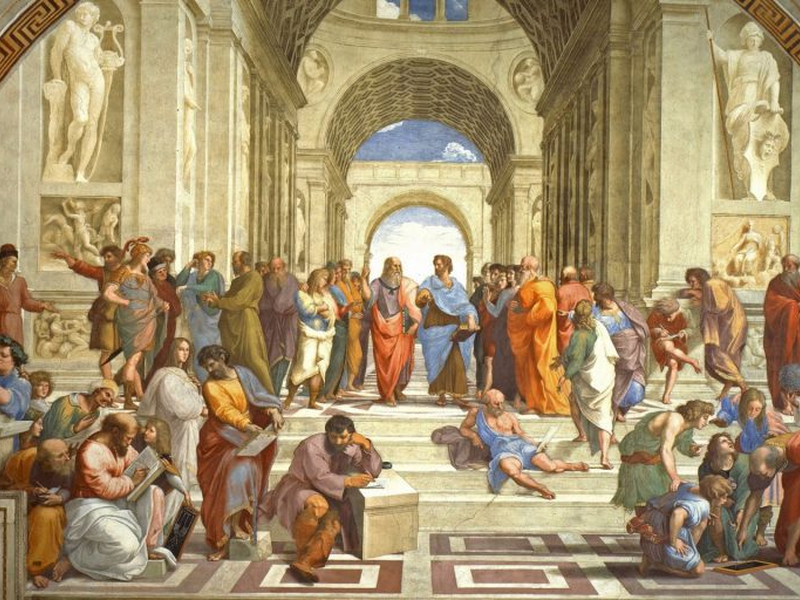
The Relevance of Aristotle and the Role of Christ (Part 2)

In the first part of this essay, I considered paideia (formation)and mimesis (imitation) in the context of Aristotle’s virtue ethics and that of the New Testament. The overall concern is to realize how relevant is Aristotle’s ethics both to diagnosing our current malaise and to enculturing our children, though we…

by Bret SaundersOctober 23, 2018
screen-shot-2018-02-08-at-9-58-52-am
Epistemology

Seeking Integration in a Fragmented World: D.C. Schindler: The Integrative Ministrations of Delight

In these posts I am inviting you into my philosophical reflection about integration , the absence of which we feel palpably in our fragmented world. My hope is for us to understand it more deeply, and to be ourselves reintegrated in the process. At this point in this extended inquiry…

by Esther Lightcap MeekOctober 18, 2018
1zey30peztqultcxbanj1-q
Aristotle

The Relevance of Aristotle and the Role of Christ (Part 1)

It’s hard to imagine someone, centuries from now, mistaking our culture for a moral highpoint in the history of the West. Increasingly the news is dominated by school shootings, abusive policing, sexploitation of women, and increasing rates of suicide, addiction, and divorce. In response, the Left calls for regulations, surveillance,…

by Bret SaundersOctober 16, 2018
img_4660-2
Prayer

God’s Promise to Hear Us

“The righteous cry out, and the Lord hears, and delivers them out of all their troubles. The Lord is near to those who have a broken heart, and saves such as have a contrite spirit.” (Ps. 34:17-18) God is listening. He is listening when we ask Him for financial provision,…

by Lindsey TollefsonOctober 11, 2018
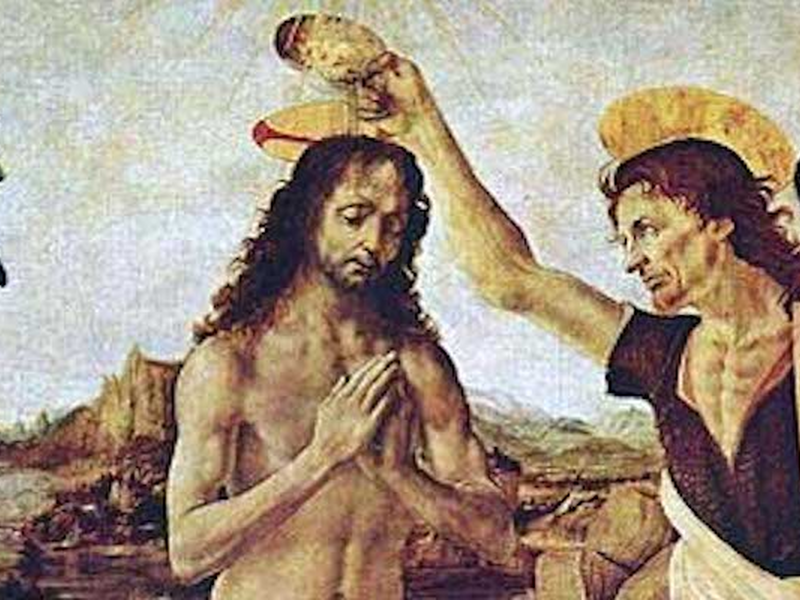
baptism-of-christ
Baptism

Transfiguration and Jesus’ Baptism

The allusions to Mt. Sinai in the transfiguration story point to Jesus as a new Moses and even more as Yahweh, the God who met Moses and Elijah on the mountain. The fact that Jesus, Moses, and Elijah spoke of Jesus’ “exodus” suggests that the mountain of transfiguration was intended…

by Ralph Allan SmithOctober 9, 2018

Showing page 86 of 309

See all
See all
Literature

The Politics of Playing

Plays might be promoted as a kind of opiate of the masses: Mass entertainment that keeps them from more violent entertainments like rioting and pillaging. This could be problematic, if the entertainments were too heady for most people to follow. Thomas Heywood (1612) suggested that playwrights should “ayme . .…

September 28, 2006
Literature

Shakespeare regulated

How regulated was Shakespeare’s own theater? And for what reasons? Patterson highlights various reasons for closing or permitting theaters: audience composition, including the fear that a large collection of workers might be distruptive; public health; economic concerns; religious and moral concerns, especially Sabbatarian; and “a shifting and elusive imperative to…

September 28, 2006
Literature

American Shakespeare

Shakespeare’s fortunes in the US were, understandably, different from in England. Initially, Shakespeare was America’s most popular playwright, appealing to a wide sector of the American populace. Patterson notes that “by the end of the nineteenth century ‘Shakespeare’ had become a cultural icon, the property only of the ‘legitimate theater,’…

September 28, 2006
Literature

Popular Shakespeare

Annabel Patterson notes ( Shakespeare and the Popular Voice ) that contemporary critics, whatever their own political outlook, assume that Shakespeare was an advocate of Elizabethan hierarchy. This view, however, is a product of the 19th century. Dryden, Johnson, and others criticize Shakespeare for violating the conventions of his genre,…

September 28, 2006
Literature

Courtly Shakespeare, IV

By the 18th century, acting styles also invested Shakespeare with “courtly” virtues of control, dignity, stateliness. Dobson writes, “Shakespearian acting . . . in the decades following Betterton’s death in 1710, seems to have settled into a grandiloquent vein of static declamation, best exemplified by the stout James Quin (1693-1766)…

September 28, 2006
Literature

Courtly Shakespeare, III

Dobson again: “after Charles II’s death in 1685 England would never again have another monarch with such an informed interest in the drama (or, mercifully, such a lascivious one), and deprived of royal patronage and protection the playhouses came under renewed attack from the moralists (led by the redoubtable clergyman…

September 28, 2006

Showing page 1785 of 2212

Browse by Category

In Medias Res

Your weekly digest for all things Theopolis.

Donate

Theopolis is nearly 100% donor-supported. Consider joining us on our mission.