Theopolis Logo

Writing

Explore our collection of theological essays, biblical studies, and reflections on faith and culture.

See all
sodom
Judges

The Levite, the Concubine, and Israel's Story

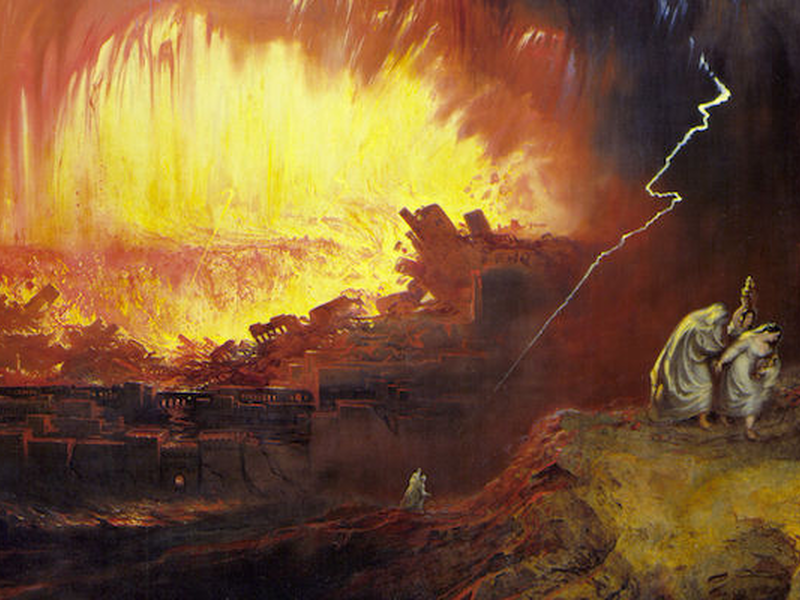
The story of Judges 19 and the subsequent chapters are some of the most shocking and appalling accounts in all of Scripture. The callousness of the old host and the Levite, and the monstrous brutality of the men of Gibeah, leaves us feebly scrabbling for words by which to surmount…

by Alastair RobertsNovember 1, 2016
david-ark-2
Biblical Theology

Adam Ascended

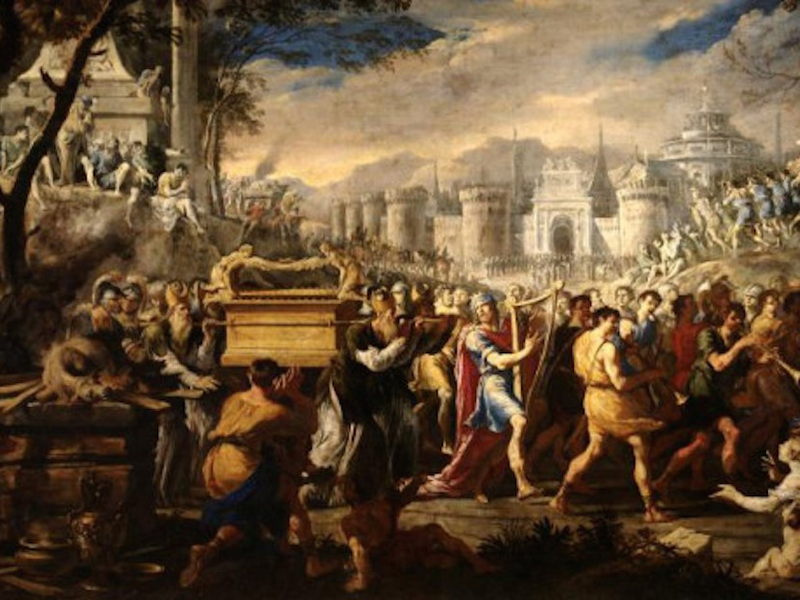
David has become king. He has conquered the capital city of Jerusalem. He has brought the ark of Yahweh into the city and placed it in a tent. He has stationed Levites at the tent to offer sacrifices of praise. An anomaly hits him: He has a cedar-paneled palace, and…

by Peter LeithartOctober 27, 2016
last-supper-2
Eucharist

The Epiclesis in the Reformed Eucharistic Prayer, 3

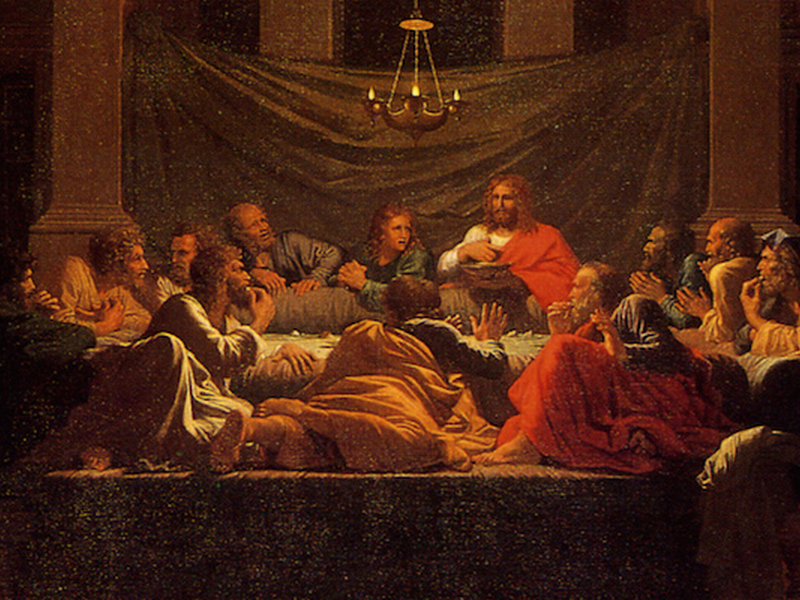
In Part 2 of this series we traced what we have of the development of the epiclesis in the liturgy of the Church. In this third and final part we’ll look at the theological implications of this and how we may apply what we’ve learned. As we saw in Part…

by Christopher KouOctober 25, 2016
jimpreaching
How to Worship

Reformational Catholicism, A Wish List

In a 2014 piece published in First Things , I offered a "wish list" for Protestant churches, a checklist for a future catholic Protestantism. The wish list doesn't cover everything. It doesn't mention those things that Protestants, especially Evangelicals, already do, often exceedingly well, things like missions and evangelism and…

by Peter LeithartOctober 20, 2016
last-supper-2
Eucharist

The Epiclesis in the Reformed Eucharistic Prayer, (Part 2)

In the first part of this series we examined the meaning of “blessing” in Scripture and its parallels in Jewish liturgical tradition, but did not find anything that we could properly call an epiclesis (an invocation of the Holy Spirit). We did find examples of invocation of Jesus to “come”…

by Christopher KouOctober 18, 2016
moses-gives-aaron-priesthood-39465-wallpaper
Baptism

Renewing Circumcision

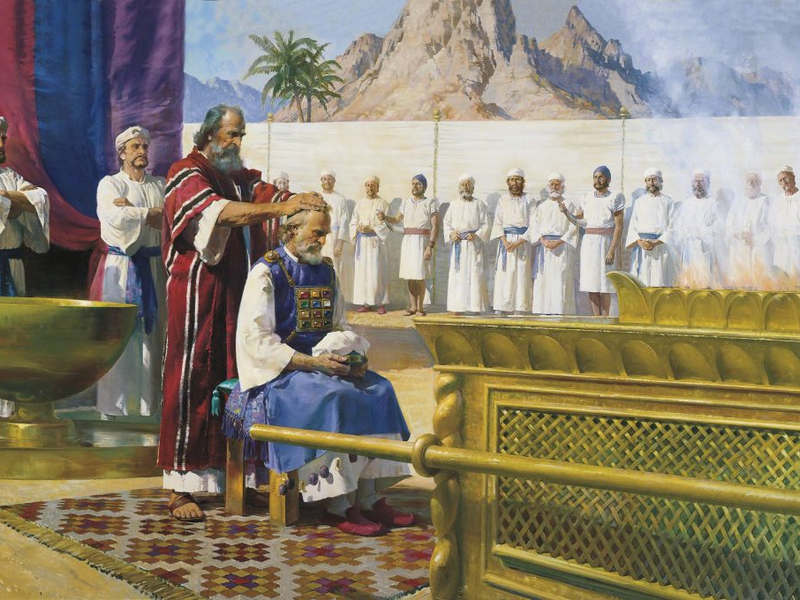
When the Aaronic priests were ordained, the blood of the ram of "filling” was placed on the lobe of the right ear, the right thumb, and the right big toe (Lev. 8:22-24). Similarly, the cleansing rite for a leper included smearing the right ear lobe, thumb, and big toe with…

by Peter LeithartOctober 13, 2016

Showing page 123 of 309

See all
See all
Philosophy

Hermeneutics v. Semiology

According to Michel Foucault, what Marx, Nietzsche, and Freud introduce is an age of interpretation. He develops one of the implications of this by suggesting there is a “fierce war” between semiology and hermeneutics, between treating words as signs and treating them as interpretations. Nietzsche in particular, Foucault claims, develops…

August 26, 2006
Literature

Shakespeare and Bible

Steven Marx’s Shakespeare and the Bible (Oxford, 2000), purports to be the “first book to explore the pattern and significance” of Shakespeare’s biblical allusions. Perhaps. The results are mixed. Each chapter of Marx’s book attempts to show structural, plot, and thematic parallels between a section of Scripture and a play…

August 26, 2006
Literature

Ubiquitous Shakespeare

Exploring Lake Superior in 1840, one Charles W Penny wrote, “We read the Bible I dare say much more than we would have done had we been in Detroit. Shakespeare was duly honoured, as he is every day when we travel. When on the water, some one of the party…

August 26, 2006

Divine Love

The Persons of the Trinity live out an eternal round of self-sacrificing love. If a proof text is needed, John 15 supplies it. 1) Jesus says, “as the Father loved Me, I have also loved you” (v. 9). Jesus’ love for the disciples is modeled on the Father’s for Him.…

August 26, 2006

Queen of the Sciences

John Stuart Mill declared at the beginning of his book on logic that “Logic is the common judge and arbiter of all particulars investigations. It does not undertake to find evidence, but to determine whether it has been found. Logic neither observes, nor invents, nor discovers; it judges.”

August 24, 2006
History

New

Hans Jonas writes in an essay on technological and scientific advance that one of the key cultural shifts in the sixteenth and seventeenth centuries was a, well, new understanding of “new,” and a corresponding revision of traditional ways of thinking about history: “A sign of this spreading mood is the…

August 24, 2006

Showing page 1804 of 2212

Browse by Category

In Medias Res

Your weekly digest for all things Theopolis.

Donate

Theopolis is nearly 100% donor-supported. Consider joining us on our mission.