Theopolis Logo

Writing

Explore our collection of theological essays, biblical studies, and reflections on faith and culture.

See all
alfons-morales-ylswjsy7stw-unsplash-1
Biblical Horizons

Fun Reading

The name of Harry Turtledove is well known to readers of fantasy and science fiction. Turtledove is an historian, and most of what he writes is in the "alternative history" genre. A fine collection of short stories, available in paperback, is his Agent of Byzantium . These stories are set…

by James B. JordanAugust 28, 1996

paul-bill-u2tjtlje4z0-unsplash
Biblical Horizons

Concerning Unicorns

In answer to a question, the following about the unicorn, a supposed "New Age" symbol: The unicorn, or monoceros (one-horn), was known around the ancient world. Some scholars believe it may have been the one-horned goat that is still bred today. Others think it may have originated in tales of…

by James B. JordanAugust 28, 1996

tim-wildsmith-j6jv-mkdzqs-unsplash
Esther

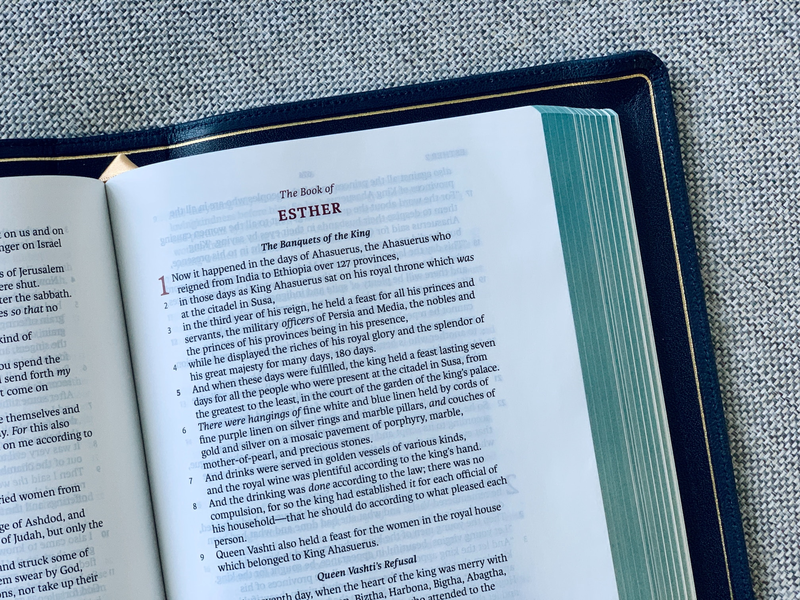
Esther: Historical & Chronological Comments (VI)

3. A Brief Survey of Esther (continued from the previous issue) Haman told the king that "a certain people" were rebellious against him, and that Haman wanted to rid the king of their noxious presence. The king agreed, and the two sat down to a feast. This is the third…

by James B. JordanAugust 28, 1996

sacre-bleu-r__kixb0i5m-unsplash
Biblical Horizons

Concerning Halloween

It has become routine in October for some Christian schools to send out letters warning parents about the evils of Halloween, and it has become equally routine for me to be asked questions about this matter. "Halloween" is simply a contraction for All Hallows’ Eve. The word "hallow" means "saint,"…

by James B. JordanAugust 28, 1996

tim-wildsmith-j6jv-mkdzqs-unsplash
Esther

Esther: Historical & Chronological Comments (V)

2. The Setting of the Book of Esther (continued from previous issue) Astyages E. W. Faulstich presents his arguments in his book History, Harmony, The Exile & Return . 1 To understand it, we have to have some background. The Assyrians ruled the near east. Median king Cyaxeres decided to…

by James B. JordanJuly 28, 1996
516976ldsdl
Revelation

Jephthah’s Daughter

In my commentary on Judges, I demonstrated that Jephthah in his Spirit-led vow intended to offer to Yahweh the first person who greeted him from the doors of his house after the battle. Since it was a custom for the young women to come out dancing to greet the returning…

by James B. JordanJune 28, 1996

Showing page 264 of 309

See all
See all
History

Hermeticism and gnosticism

In his book on the hermeticist Hegel, Magee gives this helpful sketch of the differences between gnosticism and hermeticism: “Gnosticism and Hermeticism both believe that a divine ‘spark’ is implanted in man, and that man can come to know God. However, Gnosticism involves an absolutely negative account of creation. It…

August 16, 2006
Philosophy

Hegel and Hermes

In a 2001 book (Cornell), Glenn Magee argues that Hegel must be understood as a hermetic thinker. Hegel claims to have moved beyond the ancient notion of philosophy as “pursuit of wisdom” to an absolute knowledge that is simply identical with wisdom. As Magee says, “Hegel’s claim to have attained…

August 16, 2006

MacIntyre on Heroic virtue

In After Virtue , Alasdair MacIntyre provides a neat discussion of the virtue and selfhood in Greek antiquity. The unity of ARETE, virtue, “resides . . . in the concept of that which enables a man to discharge his role,” and refers to “excellence of any kind,” whether in a…

August 16, 2006
Philosophy

Logos: Harmony and Recipe

One Marc Cohen of the University of Washington, offers this account of the “logos” of Heraclitus in an online lecture outline: First, “There is an orderly, law-governed process of change in the universe. (Compare fragment 80 with Anaximander, who equates strife with injustice; for Heraclitus, strife is justice, and is…

August 16, 2006

Life of Heraclitus

Some selections from Diogenes Laertius’ “Life of Heraclitus, from his “Lives and Opinions of Eminent Philosophers: “He was above all men of a lofty and arrogant spirit, as is plain from his writings, in which he says, ‘Abundant learning does not form the mind; for if it did, it would…

August 16, 2006
History

Asocial sociability

Seigel devotes a fascinating section of his book ( Idea of the Self ) to a summary of Mandeville’s Fable of the Bees , in which Mandeville describes what Kant characterized as the “asocial sociability” of human nature. Social in the sense that even in a natural state, prior to…

August 15, 2006

Showing page 1809 of 2212

Browse by Category

In Medias Res

Your weekly digest for all things Theopolis.

Donate

Theopolis is nearly 100% donor-supported. Consider joining us on our mission.