Theopolis Logo

Writing

Explore our collection of theological essays, biblical studies, and reflections on faith and culture.

See all
paul-the-apostle-epistle-prison-ephesians-2
Apostle Paul

Paul in Prison: Ephesus or Rome?

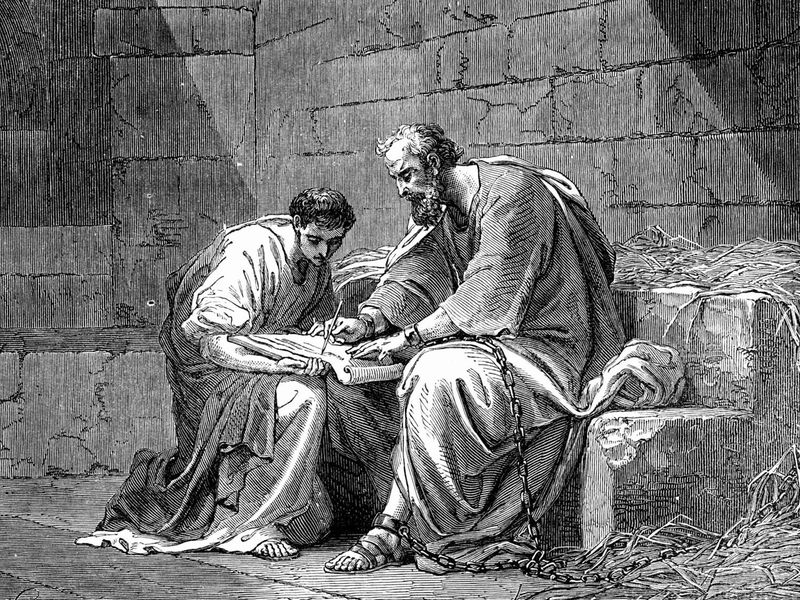
In the books of 1 and 2 Corinthians, Paul refers to hardships in his ministry in Asia, specifically Ephesus (1 Corinthians 4:9-13; 15:32; 2 Corinthians 1:8; 4:8-12; 6:4-5; 11:23-25). However, the multiple imprisonments Paul mentions are not fully reflected in Luke’s account of Paul’s ministry — Luke only records a…

by Ralph Allan SmithFebruary 15, 2022

steve-johnson-zby6td_nvna-unsplash
Epistemology

Vertical Living

After all these months pondering integration, I have come to the point of believing that the dynamic of integration just is the real at its heart. Everything that is real or comes to be real is a dynamo of integrative coherence. I also believe it is true that the real…

by Esther Lightcap MeekFebruary 1, 2022
i-had-sucked-every-book-009
Books

Tom Holland and the Liberating Power of Christianity

Have you heard of Tom Holland? Not the young Tom Holland of Spiderman fame. No doubt you’ve heard of him. I’m referring to the middle age Oxford-trained historian who recently wrote Dominion: The Making of the Western Mind . (Both Hollands are British, so you’ll be forgiven for confusing them.)…

by Gerald HiestandJanuary 25, 2022
e99a2225
Biblical Horizons

"Do This!"

This article was originally published in 1990. (The essay that follows concerns a rather touchy subject: how the Lord’s Supper is to be done. I am not writing to insult or offend, but to challenge. To that end I have not "held back" but have "gone ahead" and said what…

by James B. JordanJanuary 19, 2022
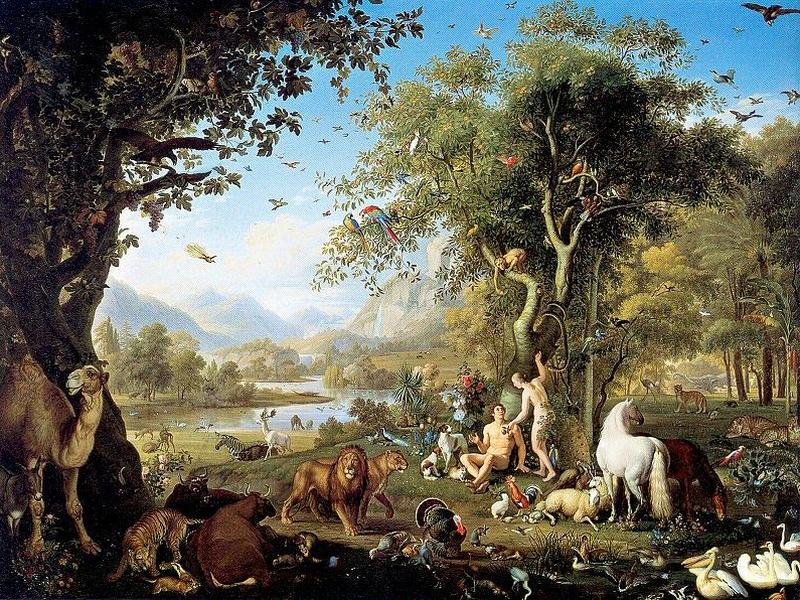
adam-and-eve-in-the-garden-of-eden-wenzel-peter
American Culture

The Dominion Trap

This article was originally published in 1990. In Genesis One, God told Adam and Eve to "be fruitful and multiply, and fill the earth, and subdue it; and rule over the fish of the sea and over the birds of the heavens, and over every living thing that moves on…

by James B. JordanJanuary 13, 2022
8226-sermon-on-the-mount-painting
Biblical Studies

Will Few Be Saved?

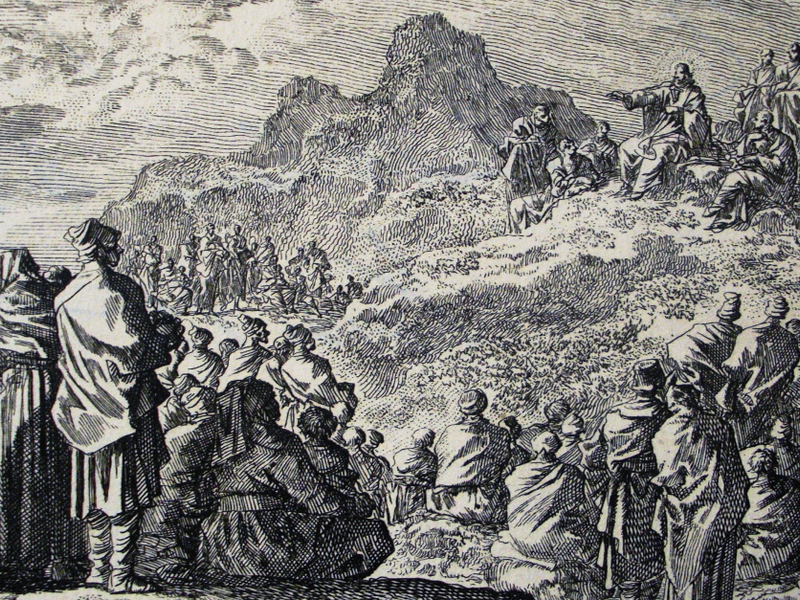
On several occasions the gospels record Jesus teaching that only a few will be saved (Matthew 7:14, Matthew 22:14, and Luke 13:23). Careful readers of Scripture should begin to wrestle with how these passages found in the gospels fit together with other passages that teach that many will be saved…

by Manny LucasJanuary 11, 2022

Showing page 47 of 309

See all
See all
History

Hermeticism and gnosticism

In his book on the hermeticist Hegel, Magee gives this helpful sketch of the differences between gnosticism and hermeticism: “Gnosticism and Hermeticism both believe that a divine ‘spark’ is implanted in man, and that man can come to know God. However, Gnosticism involves an absolutely negative account of creation. It…

August 16, 2006
Philosophy

Hegel and Hermes

In a 2001 book (Cornell), Glenn Magee argues that Hegel must be understood as a hermetic thinker. Hegel claims to have moved beyond the ancient notion of philosophy as “pursuit of wisdom” to an absolute knowledge that is simply identical with wisdom. As Magee says, “Hegel’s claim to have attained…

August 16, 2006

MacIntyre on Heroic virtue

In After Virtue , Alasdair MacIntyre provides a neat discussion of the virtue and selfhood in Greek antiquity. The unity of ARETE, virtue, “resides . . . in the concept of that which enables a man to discharge his role,” and refers to “excellence of any kind,” whether in a…

August 16, 2006
Philosophy

Logos: Harmony and Recipe

One Marc Cohen of the University of Washington, offers this account of the “logos” of Heraclitus in an online lecture outline: First, “There is an orderly, law-governed process of change in the universe. (Compare fragment 80 with Anaximander, who equates strife with injustice; for Heraclitus, strife is justice, and is…

August 16, 2006

Life of Heraclitus

Some selections from Diogenes Laertius’ “Life of Heraclitus, from his “Lives and Opinions of Eminent Philosophers: “He was above all men of a lofty and arrogant spirit, as is plain from his writings, in which he says, ‘Abundant learning does not form the mind; for if it did, it would…

August 16, 2006
History

Asocial sociability

Seigel devotes a fascinating section of his book ( Idea of the Self ) to a summary of Mandeville’s Fable of the Bees , in which Mandeville describes what Kant characterized as the “asocial sociability” of human nature. Social in the sense that even in a natural state, prior to…

August 15, 2006

Showing page 1809 of 2212

Browse by Category

In Medias Res

Your weekly digest for all things Theopolis.

Donate

Theopolis is nearly 100% donor-supported. Consider joining us on our mission.