Theopolis Logo

Writing

Explore our collection of theological essays, biblical studies, and reflections on faith and culture.

See all
baptism
Baptism

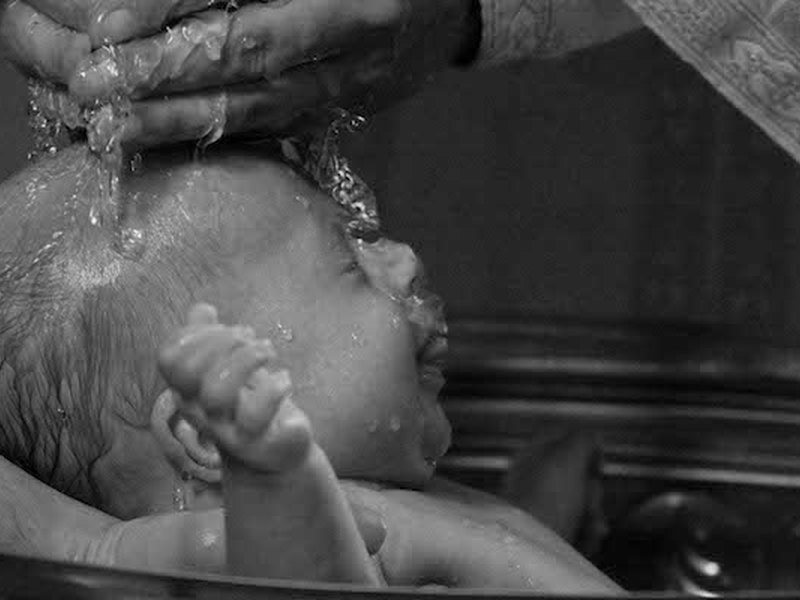
Water, Spirit, and Fire, (Part 1)

John the Baptist says, “I baptize you with water for repentance, but he who is coming after me . . . will baptize you with the Holy Spirit and fire (Mt. 3:11).” Much debate surrounds the nature of this statement and what exactly it prophesies. Sacramental, baptistic, and charismatic Christians…

by Adam McIntoshAugust 16, 2016
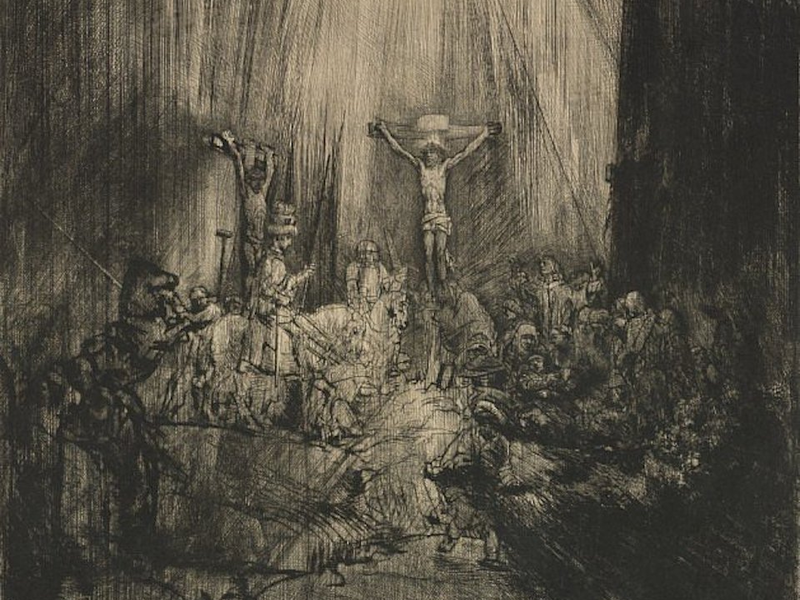
jesus-on-cross-rembrandt
Pastoral Ministry

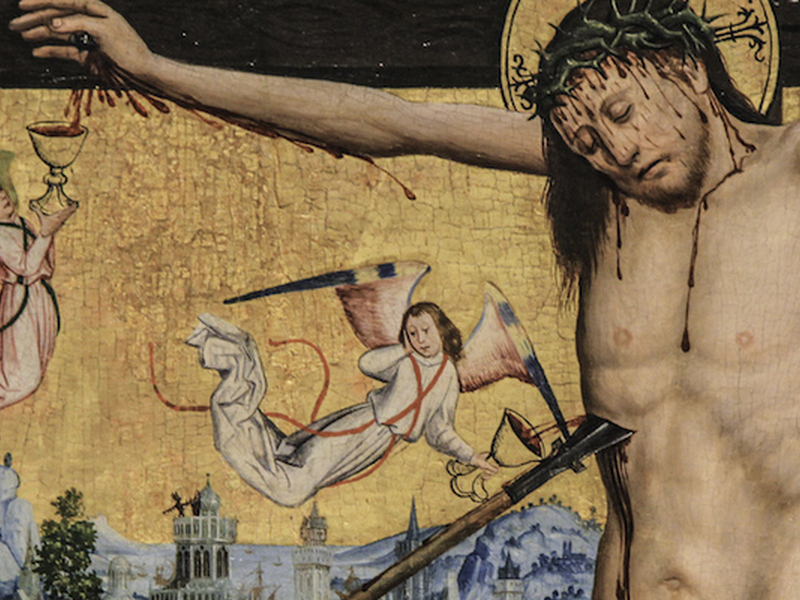
Cruciform Pastoral Care

First Corinthians is not considered one of the Pastoral Epistles, but there is much to learn from Paul about pastoring a congregation by the way he writes to the Corinthians. Briefly, 1 Corinthians is an exposition of the cross and resurrection. In the first fourteen chapters, Paul gives an exposition…

by Bill SmithAugust 11, 2016
cross-2
Atonement

Bearing Sin

Fredrik Hagglund ( Isaiah 53 in the Light of Homecoming After Exile (Forschungen Zum Alten Testament) ) argues against the common notion that Isaiah 53 is about the atoning suffering of Yahweh’s Servant. The Servant’s suffering is vicarious (i.e., he suffers for the sins of others) but it is not…

by Peter LeithartAugust 9, 2016
screen-shot-2016-03-31-at-9-32-11-am
Biblical Theology

Brexit and the Binding of Satan: Part 2

With the inheritance of Canaan and the dividing up of this priestly territory among the tribes, Israel became a microcosm of the nations of the world. This division between Israel and the nations as a substitutionary “land and sea” would prevent another global rebellion, and thus another global judgment. ((For…

by Mike BullAugust 4, 2016
paul
Romans

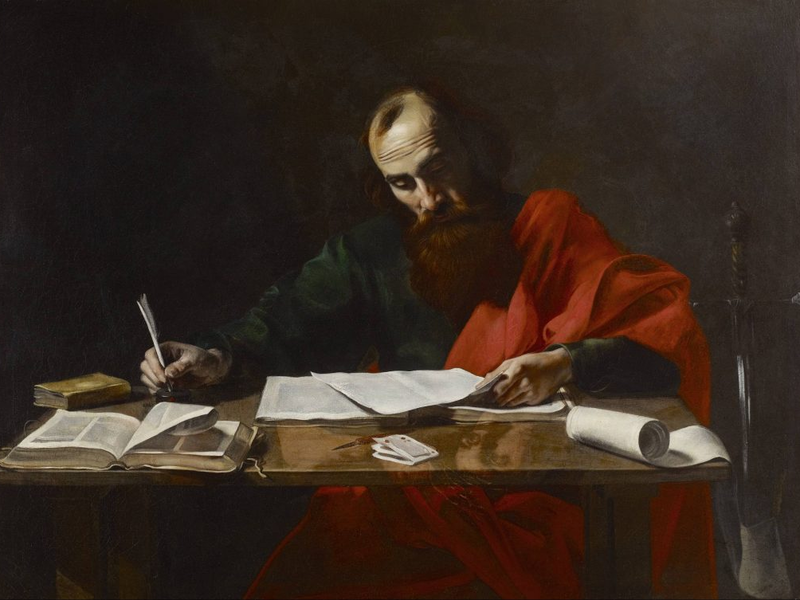
Paul and James on the Meaning of Genesis 15:6

One of the more revealing aspects of Paul and James’ soteriology is the different ways they both use Genesis 15:6 (“And Abraham believed God and it was counted for him as righteousness,”) as a proof text to defend their comments about the gospel. The key observation to make is that…

by Gerald HiestandAugust 2, 2016
img_1456
Biblical Theology

Brexit and the Binding of Satan: Part 1

The disintegration of the EU is not the end of the world. It is a sign that the end of the world is anything but nigh. Western culture as we know it is dying at the hands of usurpers, traitors and prodigals. Even the worst rulers throughout Christian history at…

by Mike BullJuly 28, 2016

Showing page 127 of 309

See all
See all

Exhortation, August 28

Hope is one of the traditional “theological virtues” – faith, hope and love. Hebrews 11 defines faith as hope, and for Paul “hope,” like Victor and Faith, is another name for Jesus (1 Timothy 1:1). In our sermon text, Paul encourages hope by saying God is able to do “exceeding…

August 28, 2005
Philosophy

Transcendence and Immanence

There’s a slight false step, in the midst of a very helpful point, in Bruce Ellis Benson’s superb Graven Ideologies : He has been explaining the “double transcendence” of Platonism - metaphysical (Truth’s being is beyong the sensible world) and epistemological (human beings can get beyond the sensible world to…

August 28, 2005
Music

But for Luther

In his Teaching Company tapes on Bach and the Baroque (recommended), Robert Greenberg suggests an historical sequence that accounts for the development of German music: Music for singing, which in the period was largely church music, must take account of the language in which the music is sung. German is…

August 27, 2005

Mystery of Christ

Is the “mystery of Christ” in Ephesians 3:4 a mystery about Christ or is Christ Himself the mystery? Let’s take the latter option - Christ Himself is the mystery (cf. Colossians 1:27). How does that connect with the way Paul unpacks the mystery in terms of Jew/Gentile union (v. 6)?…

August 27, 2005

Gifts of men

NT Wright points out that the ascent and descent language in Ephesians 4:7-10 is reminiscent of Moses ascending Mount Sinai and then descending with the tablets of the Ten Commandments. Jesus ascends to heaven, and when He returns He does not bring the law of commandments on tablets of stone,…

August 27, 2005
Literature

Tragedy and Time

Macbeth hopes that his one act of regicide will stop the flow of time - “if ‘twere done when ‘tis done, then ‘twere well it were done quickly.” But it can’t be done when it’s done; actions provoke reactions. He ends tragically because he cannot trammel up the consequence. Time…

August 27, 2005

Showing page 1951 of 2212

Browse by Category

In Medias Res

Your weekly digest for all things Theopolis.

Donate

Theopolis is nearly 100% donor-supported. Consider joining us on our mission.