Theopolis Logo

Writing

Explore our collection of theological essays, biblical studies, and reflections on faith and culture.

See all
sinitta-leunen-dvibhmzsy8e-unsplash
Epistemology

A Cheer for the Mystics

Mystical theologians are often unguarded, extreme, un-nuanced, pressing to the edges of heresy, sometimes beyond. Still, the mystics are worthy of study. Why? Many reasons. Unlike some late medieval and post-Reformation dogmaticians, mystical theologians are often instinctively and richly Trinitarian. Historical-critical approaches to Scripture left mystical theologians virtually untouched; mystics…

by Peter LeithartSeptember 2, 2013
portrait-of-william-shakespeare-1564-1616-ca-1865
Literature

Shadow and Substance in Shakespeare's Venice

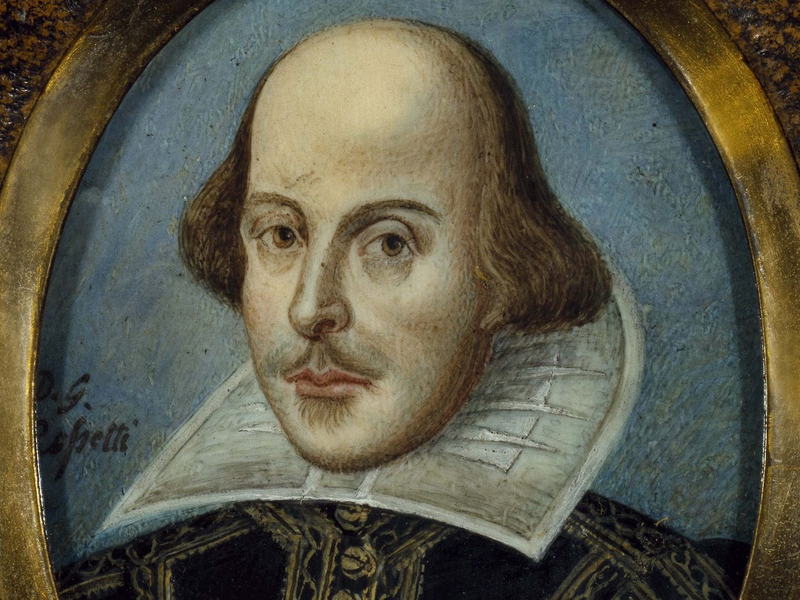
Portia of Belmont is a “lady richly left,” as Bassanio says of her in the first Act of The Merchant of Venice . Plus, she’s beautiful and wise. Suitors clamber to Belmont in hope. Her father knew it would be so, and in his will set up a fairy-tale test…

by Peter LeithartAugust 28, 2013
carlo-alberto-burato-smdx3gleu_m-unsplash
Liturgy

Liturgy Traps

[fve]http://vimeo.com/72195198[/fve]

by James B. JordanAugust 26, 2013
screen-shot-2022-05-12-at-12-07-23-pm
Deuteronomy

Victory Food

In the nature of the case, “the” Christian meditation on Deuteronomy 14:1-21 cannot be written. Meditation offers too many possibilities, opens too many doors. There is not one and only one correct set of associations for a Christian to consider when thinking of Deuteronomy 14:1-21. We could, for example, consider…

by Ralph Allan SmithAugust 21, 2013
aaron-burden-1ebsmyrau-s-unsplash
Romans

David's Sin and Israel's Salvation, Part I

Having retold the story of the cumulative sin of Israel leading to the great atonement on the cross, Paul then reemphasizes that, just as both Jew and Gentiles were locked into sin and judgment, now they are both justified by faith: Then what becomes of our boasting? It is excluded.…

by Mark HorneAugust 20, 2013
ben-white-w8qqn1pmqh0-unsplash
Deuteronomy

You are what you eat

Deuteronomy 14 is full of allusions to events of Israel’s history and other portions of Scripture. What would an Israelite learn by mediation on these allusions? The answer, I believe, is at least fourfold. Faith, Worship, War For the ancient Israelite first hearing Moses’ sermon, or perhaps hearing it read…

by Ralph Allan SmithAugust 15, 2013

Showing page 189 of 309

See all
See all

Joyous Exchange, Magnificent Duel

Robert Kolb ( Martin Luther: Confessor of the Faith ) observes that Luther resisted presenting a systematic theology of atonement. Instead, he employed various biblical images and descriptions to meet the pastoral needs of his audience: “When he addressed the guilt or shame of his hearers, Luther presented Christ’s substitutionary…

January 27, 2017

Frackin' Innovative

V auhini Vara reports at The Atlantic about how US frackers beat OPEC. The story starts in 2014 when “U.S. shale oil represented about 5 percent of the oil being produced worldwide. But the process was expensive, which suggested to many that shale producers could not stay in business if…

January 27, 2017

Righteousness and Relation

A ccording to Robert Kolb ( Martin Luther: Confessor of the Faith , 125–8) Luther had a “relational” understanding of righteousness: “Whereas most medieval thinkers conceived of human ‘righteousness’ in terms of performance or activity, Luther believed that the concept rested on a deeper foundation. Righteousness is being what the…

January 27, 2017

Music in the Middle

T he final section of 1 Chronicles is neatly framed by speeches by David. Chapter 22 contains David's speech of encouragement to Solomon, concluded by a brief exhortation to “all the leaders” (22:17–19). Chapters 28–29 record several public speeches, marked by “David said” and interspersed with descriptions of temple furnishings:…

January 26, 2017

Anticlericalism and Reformation

A nticlerical agitation was more consequence than cause of the English Reformation, argues David Loades in his contribution to Anticlericalism . Fashions change, including religious ones; monkish religion was not as popular by the beginning of the sixteenth century as it had been, and the energy was with the friars.…

January 26, 2017

David’s Pharaoh Moment

1 Chronicles doesn't say anything about David's sin against Bath-Sheba and Uriah (cf. 2 Samuel 11–12). Bath-Sheba is never mentioned in Chronicles at all, Uriah only once, in a list of David's warriors (1 Chronicles 11:41). In the Chronicler's account, David's great sin is taking a census of Israel (1…

January 25, 2017

Showing page 213 of 2212

Browse by Category

In Medias Res

Your weekly digest for all things Theopolis.

Donate

Theopolis is nearly 100% donor-supported. Consider joining us on our mission.