Theopolis Logo

Writing

Explore our collection of theological essays, biblical studies, and reflections on faith and culture.

See all
evangelists
Matthew

Dating Matthew, (Part 1)

When might the Gospel according to Matthew have been written? Of course, any answer can only be speculation, but that does not mean we are reduced to groundless opinion. In this series of articles I point the way to an approach different from the general consensus among scholars today which…

by Ralph Allan SmithNovember 22, 2016

hebrew-manuscript-3
Hermeneutics

Synopticity, (Part 2)

In my first essay on “synopticity” I offered a rather rough definition of the phenomenon and important, though not exhaustive examples. In this essay, I want to introduce broader aspects of the phenomenon of “synopticity.” The first example that I have in mind is conventional stories, stories of different historical…

by Ralph Allan SmithNovember 17, 2016
screen-shot-2016-03-31-at-9-32-11-am
Ascension

Brexit and the Binding of Satan, Part 4

Since the judgment of Babel was followed by the initiation of the circumcision, the impending end of the circumcision in AD70 explains the significance of the first century miracle of foreign tongues. Except for a few Aramaic “teasers” in the book of Daniel, the Word of God was monolingual and…

by Mike BullNovember 15, 2016
four-evangelists
Hermeneutics

Synopticity, (Part 1)

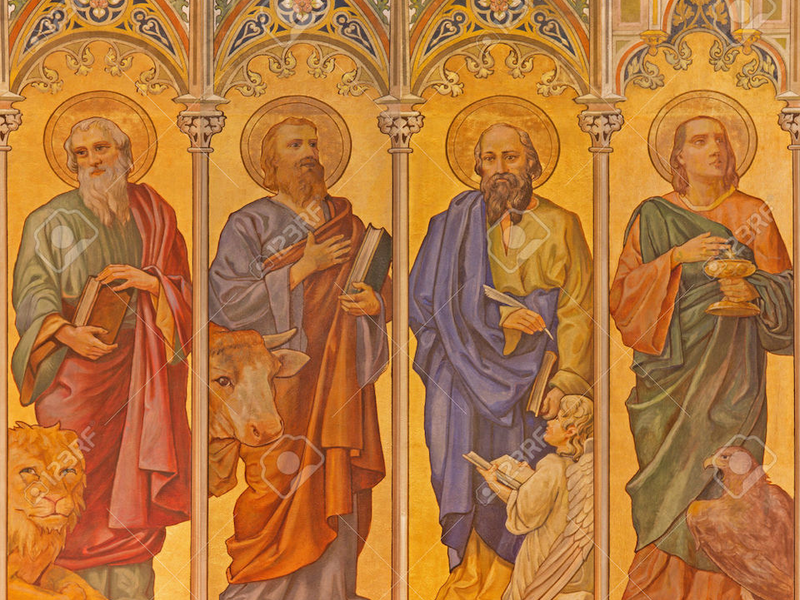
To the best of my knowledge “synopticity” is not a word used in theology or Biblical studies, but it seems an appropriate word to describe the kind of phenomena associated with the Synoptic Gospels, Matthew, Mark, and Luke. These three Gospels tell essentially the same story with significant — sometimes…

by Ralph Allan SmithNovember 10, 2016
laughing_statue_by_xxbobbiie-d5f0meh-2
Humor

Learning to Laugh

Humor is a funny thing. It is altogether familiar yet also mysterious. What makes us laugh? Why do we find things funny? There are academic fields of study dedicated to discovering what makes things humorous. These academicians even have a journal entitled International Journal of Humor Research . No joke.…

by Bill SmithNovember 8, 2016
chaucer
Literature

Flawed Means of Grace: Liturgy in The Pardoner's Tale

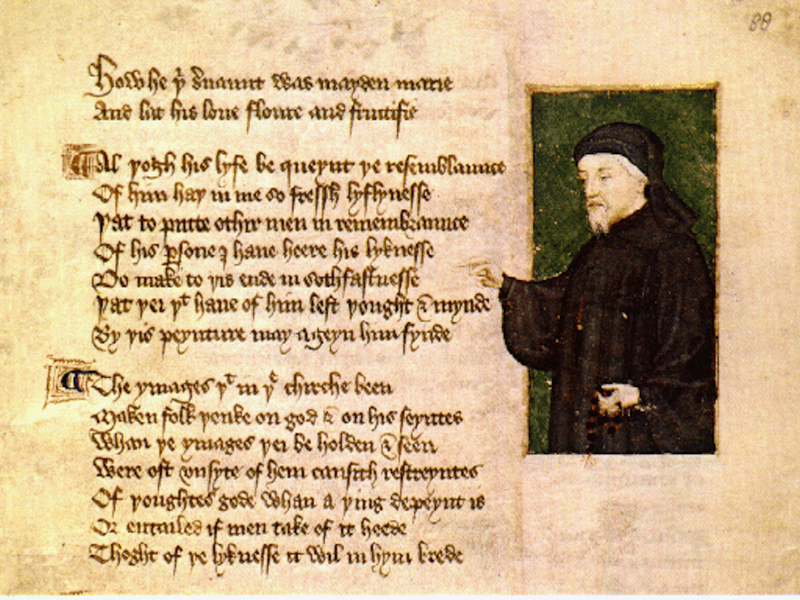
Out of all the characters in Geoffrey Chaucer’s The Canterbury Tales , the Pardoner has been called the “one lost soul.” The pious Parson, who closes out the collection of tales with a sermon on the seven deadly sins and how a sinner can absolve himself of them, connects the…

by Christian LeithartNovember 3, 2016

Showing page 122 of 309

See all
See all

Parthian Invasion?

S ome commentators on Revelation give the Parthian empire a major role in the book. The Parthian empire stretched from the Euphrates to Iran; the Silk Road passed through, making it crucial to trade routes from the Roman empire to the far east. Romans and Parthians fought several times during…

November 15, 2016

Structure in 1 Chronicles 17

D avid wants to build Yahweh a house, and Nathan the prophet approves (1 Chronicles 17:1-2). That night, the word of Yahweh comes to Nathan to correct him. When Nathan delivers the oracle, David is a new Abraham, to whom the “Word of the Lord came” to promise the land…

November 14, 2016

Hegel the Theologian

E nrique Dussel ( Underside of Modernity ) explains Hegel’s defection from Kant in theological terms. Inspired by Schiller's distinction of reason as “the vital faculty of synthesis” and understanding as the faculty that “determines its object, separates it, kills it,” Hegel described the kingdom of Jesus in terms of…

November 11, 2016
Reformational Catholicism

Confessionalization and Division

I have only two quick responses to Toby Sumpter's generous and thoughtful review of (a part of) The End of Protestantism . First, he expresses the wish that I would have called the book The End of Denominationalism or somesuch, hinting that I chose the title because of its rhetorical…

November 11, 2016

Jezebel and Babylon

P aul Duff ( Who Rides the Beast? 90) calls attention to five parallels between the prophetess Jezebel of Thyatira (Revelation 2) and the harlot city Babylon (Revelation 17-18). “First, Ahab's wife was a queen—of the kingdom of Israel in the ninth century BCE; the regal bearing of ‘Babylon' in…

November 11, 2016

Dooyeweerdian Impasse

I n an essay on radical Augustinian social critique in his Religion, Truth, and Social Transformation , Lambert Zuidervaart summarizes the social vision of Herman Dooyeweerd with two themes: spiritual antithesis and structural differentiation. The antithesis is, for Dooyeweerd, “universal, comprehensive, and deeply spiritual,” running “right through the Christian life…

November 11, 2016

Showing page 232 of 2212

Browse by Category

In Medias Res

Your weekly digest for all things Theopolis.

Donate

Theopolis is nearly 100% donor-supported. Consider joining us on our mission.