Theopolis Logo

Writing

Explore our collection of theological essays, biblical studies, and reflections on faith and culture.

See all
evangelists
Matthew

Dating Matthew, (Part 1)

When might the Gospel according to Matthew have been written? Of course, any answer can only be speculation, but that does not mean we are reduced to groundless opinion. In this series of articles I point the way to an approach different from the general consensus among scholars today which…

by Ralph Allan SmithNovember 22, 2016
hebrew-manuscript-3
Hermeneutics

Synopticity, (Part 2)

In my first essay on “synopticity” I offered a rather rough definition of the phenomenon and important, though not exhaustive examples. In this essay, I want to introduce broader aspects of the phenomenon of “synopticity.” The first example that I have in mind is conventional stories, stories of different historical…

by Ralph Allan SmithNovember 17, 2016
screen-shot-2016-03-31-at-9-32-11-am
Ascension

Brexit and the Binding of Satan, Part 4

Since the judgment of Babel was followed by the initiation of the circumcision, the impending end of the circumcision in AD70 explains the significance of the first century miracle of foreign tongues. Except for a few Aramaic “teasers” in the book of Daniel, the Word of God was monolingual and…

by Mike BullNovember 15, 2016
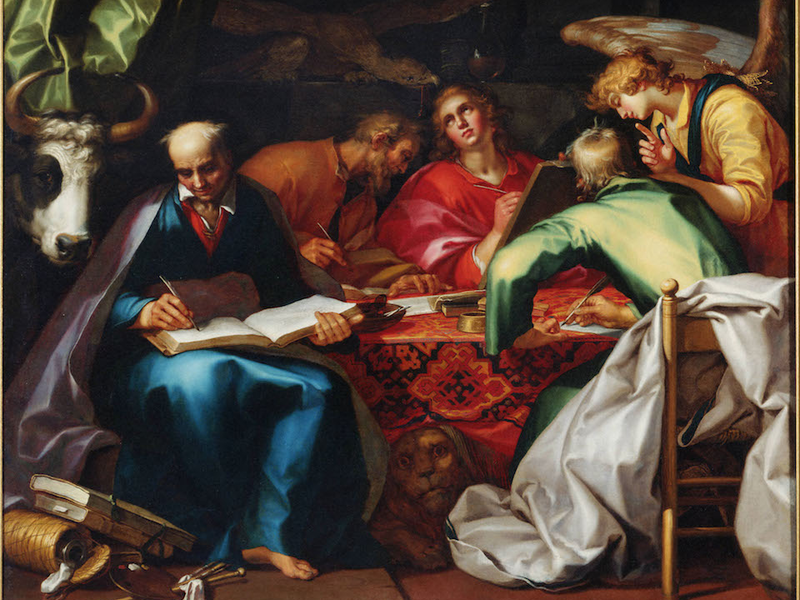
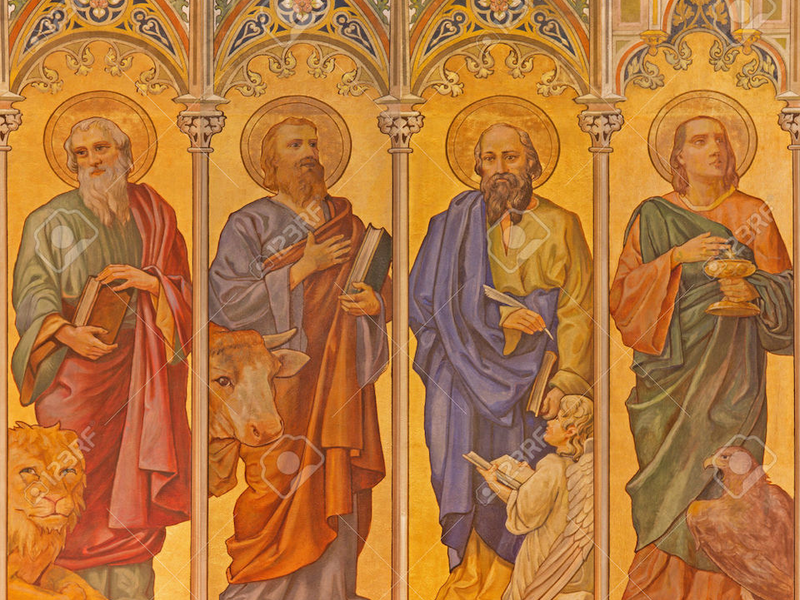
four-evangelists
Hermeneutics

Synopticity, (Part 1)

To the best of my knowledge “synopticity” is not a word used in theology or Biblical studies, but it seems an appropriate word to describe the kind of phenomena associated with the Synoptic Gospels, Matthew, Mark, and Luke. These three Gospels tell essentially the same story with significant — sometimes…

by Ralph Allan SmithNovember 10, 2016
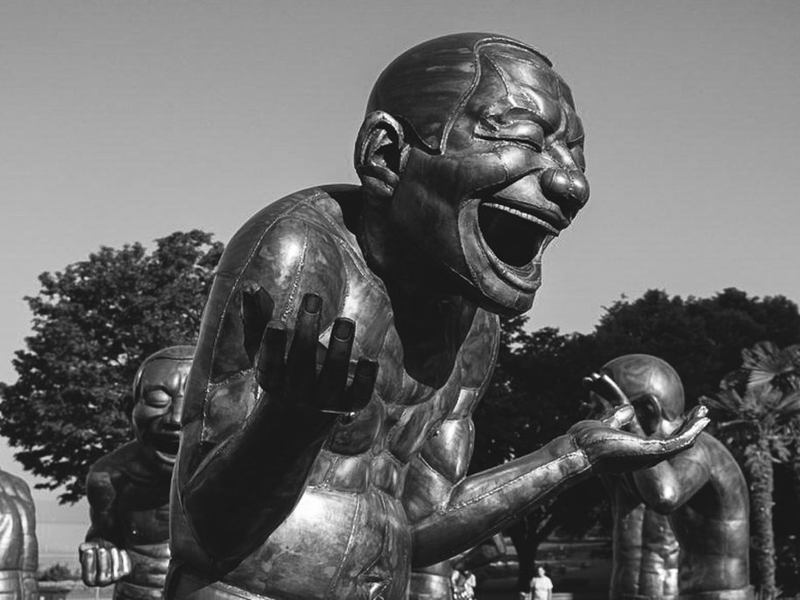
laughing_statue_by_xxbobbiie-d5f0meh-2
Humor

Learning to Laugh

Humor is a funny thing. It is altogether familiar yet also mysterious. What makes us laugh? Why do we find things funny? There are academic fields of study dedicated to discovering what makes things humorous. These academicians even have a journal entitled International Journal of Humor Research . No joke.…

by Bill SmithNovember 8, 2016
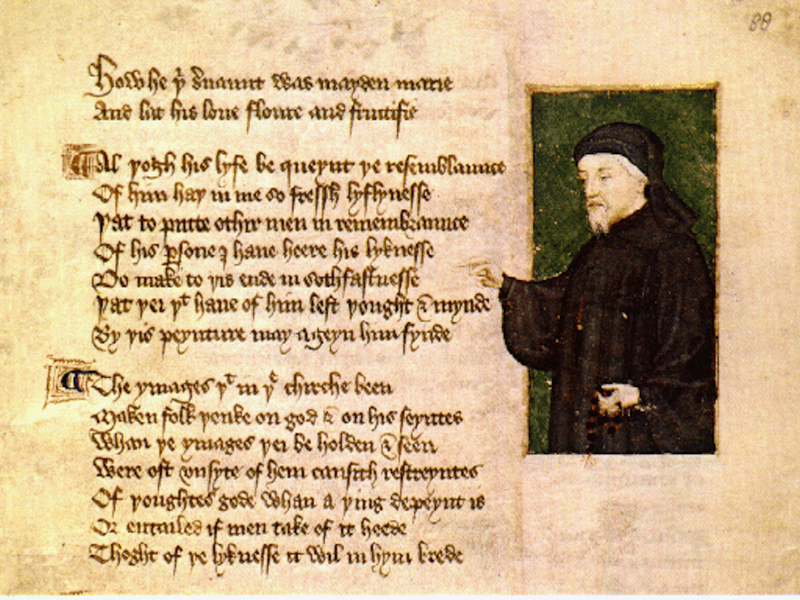
chaucer
Literature

Flawed Means of Grace: Liturgy in The Pardoner's Tale

Out of all the characters in Geoffrey Chaucer’s The Canterbury Tales , the Pardoner has been called the “one lost soul.” The pious Parson, who closes out the collection of tales with a sermon on the seven deadly sins and how a sinner can absolve himself of them, connects the…

by Christian LeithartNovember 3, 2016

Showing page 122 of 309

See all
See all

Shepherd of Israel

1 Chronicles 11–12 form a unit, framed by references to David’s coronation ceremony at Hebron: A. Gathering at Hebron, conquest of Jerusalem, 11:1–10 B. David’s followers while a fugitive, 11:11–47 B'. David’s host at Ziklag, 12:1–22 A’. Coronation festival at Hebron, 12:23–40 11:1-10 is itself framed by references to “all…

October 25, 2016
Reformational Catholicism

Reformational Catholicism, A Wish-List

I n a 2014 piece published in First Things , I offered a “wish list” for Protestant churches, a checklist for a future catholic Protestantism. The wish list doesn't cover everything. It doesn't mention those things that Protestants, especially Evangelicals, already do, often exceedingly well, things like missions and evangelism…

October 24, 2016

Lust Made Law

D ante is moving through the circle of the lustful (Comedy, Canto 5) and sees a host of classical lovers. Among them is Semiramis, less famous than Dido or Cleopatra, but an exceedingly important illustration of how lust misshapes language and law. Rodney Payton explains ( A Modern Reader’s Guide…

October 21, 2016

Incontinence, Malice, Bestiality

E xplaining the moral structure of hell in Canto 11 of Dante’s Comedy , Virgil lays out three general categories of sin: incontinence, malice, and mad bestiality (lines 83-4). That’s not quite what we expect, or what most commentators see. It seems more like incontinence, violence, and fraud. Incontinent sins…

October 21, 2016

Infernal Baptism

R odney Payton ( Modern Reader’s Guide to Dante’s Inferno , 88–89) observes that “Dante’s vocabulary is rich in words denoting water,” including “the Italian words for water, river, little river, bog, marsh, stream, pond, slough, fount, and waves, at lest. In many cases the nouns are modified by adjectives…

October 21, 2016
Shakespeare

Antidote to Sadness

A ntonio of Venice is inexplicable sad. So is Portia of Belmont, her “little body . . . aweary of this great world” ( Merchant of Venice 2.1). Antonio and Portia have all that they could want. They aren’t anxious about money; neither is pining for love. Why so sad?…

October 21, 2016

Showing page 240 of 2212

Browse by Category

In Medias Res

Your weekly digest for all things Theopolis.

Donate

Theopolis is nearly 100% donor-supported. Consider joining us on our mission.