
Theopolis Logo

Writing

Explore our collection of theological essays, biblical studies, and reflections on faith and culture.

See all
cloister

Gatekeepers

1 Chronicles 9:1 seems to bring the genealogies of 1 Chronicles to an end. The Chronicler has recorded the genealogy of the human race from Adam, focusing on the descendants of Abraham through Jacob. Summing it all up, he says, “So all Israel was enrolled by genealogies; and behold, they…

by Peter LeithartJune 21, 2016
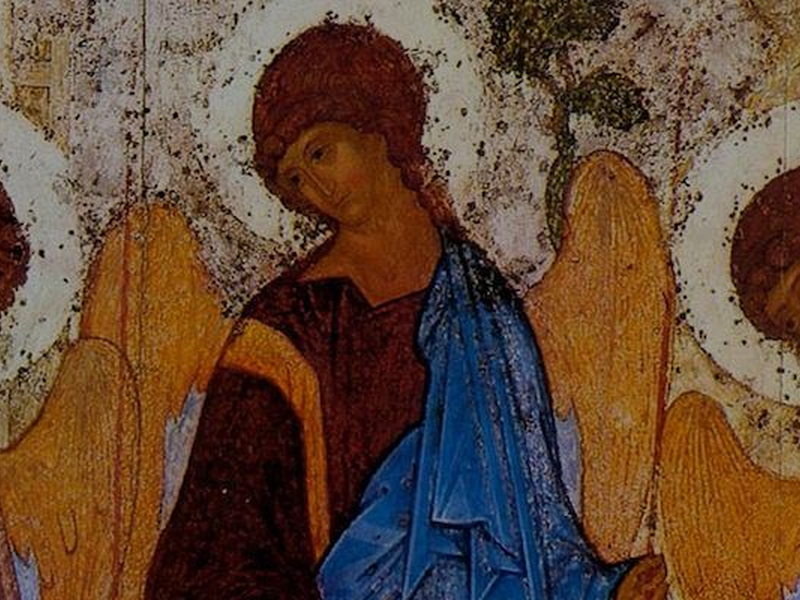
trinity-1-2
Trinity

Are the Divine Persons Persons?

The “personalist” understanding of the Trinity, articulated most influentially in the work of John Zizioulas, has fallen on hard times. Recent scholars have attacked Zizioulas’s idea that Cappadocian Trinitarianism represented an ontological revolution, hammering on the distinction between divine and human personhood. Michel Barnes’s conclusion is the most drastic of…

by Peter LeithartJune 16, 2016
img_4660-2
Architecture

On Biblical Theology

Biblical Theology is often defined as the historical unfolding of God’s revelation, or of God’s revelation and of the history of his covenantal redemption and transformation of humanity and the world. In practice, Biblical Theology is usually broader than this, and also includes the study of literary structure and of…

by James B. JordanJune 14, 2016
laughing_statue_by_xxbobbiie-d5f0meh-2
Humor

Wise Laughter

We are made to be happy. Created to enter into the eternal joy of God, our whole being inclines to that end, but the fallen world has put forth barriers and by our own sin we bar ourselves from that endless delight, and death blinds us to that reality. Yet…

by Remy WilkinsJune 7, 2016
img_7664
Liturgy

Why Theopolis? Take Two

At the end of Revelation, John sees the heavenly city descending to earth. The city shines with the brilliance of God's glory, which lightens the nations, so that kings bring their glory to the city. This is not a vision of the final new heaven and new earth. It's a…

by Peter LeithartJune 2, 2016
trinity-1-2
Attributes of God

How Can We Talk About God?

“No one has ever seen God,” writes John (John 1:18). If this is the case, then how can we speak about God? Some people say we actually cannot. Or at least we cannot speak about God positively, i.e. who He is. We can only say who or what God is…

by Bogumil JarmulakMay 31, 2016

Showing page 130 of 309

See all
See all

Gethsemane

The word “Gethsemane” means “wine-press of oil.” It’s built from the same Hebrew root as Gath-Hepher, “the wine-press of the well,” a city in the tribal area of Zebulun, the birthplace of Jonah, and Gath-Rimmon, the “wine-press of the pomegranate,” a town in Dan. One of the five cities of…

March 8, 2016

Barth on Economy and Ontology

God is, Barth repeatedly insists, as He reveals Himself. But Barth also hesitates about reading the relations expressed in the economic Trinity into the ontological Trinity ( Church Dogmatics , I.1, ch. 10). The relations as revealed are comprehensible, but these relations as revealed, precisely insofar as they are comprehensible,…

March 8, 2016

Campus Life in the Sixties

When Ewa Thompson joined the Indiana University faculty in 1968 as an assistant Professor of Slavic Languages and Comparative Literature, Vietnam War protests were at their peak. A native of Poland, Thompson could not understand why Americans didn't unite against the Communists in Vietnam. Her first-hand experience with Communism, and…

March 8, 2016

Death of American Entrepreneur?

David Goldman reports that “From 1977 t0 2005, business startups accounted for almost all economic growth and all net job creation. Established firms shrank and new firms grew. After the Great Recession of 2008, the opposite occurred: established firms accounted for all the recovery in employment, and startups contributed nothing…

March 7, 2016

In the Olive Grove

The Mount of Olives is mentioned by name only twice in the Old Testament, and once it is alluded to as the “mountain east of Jerusalem.” When David abandons Jerusalem during the rebellion of Absalom, he travels east to the Mount of Olives, and then into the wilderness (2 Samuel…

March 7, 2016

Christ and Election

According to Barth, when the decree loses its Christological focus, a gap emerges between a fundamental decree regarding predestination and reprobation and the “functional” decree to save in Christ. Christ becomes an instrument for carrying out that more basic decree, but He is not identified with the content of that…

March 7, 2016

Showing page 313 of 2212

Browse by Category

In Medias Res

Your weekly digest for all things Theopolis.

Donate

Theopolis is nearly 100% donor-supported. Consider joining us on our mission.