Theopolis Logo

Writing

Explore our collection of theological essays, biblical studies, and reflections on faith and culture.

See all
tanner-mardis-xuxghzhibn4-unsplash-1-2
Biblical Studies

Tweets-turned-Notes on the Bible’s Chronology

Summary In what follows, I will consider the “year-stamps” employed in Scripture, i.e., statements of the form, “Such-and-such an event took place in the Xth year of Y.” In the process, I will suggest some ways in which the Biblical narrative might relate to events in the extra-Biblical world, though…

by James BejonJuly 16, 2019
durer-prodigal-son-2
Luke

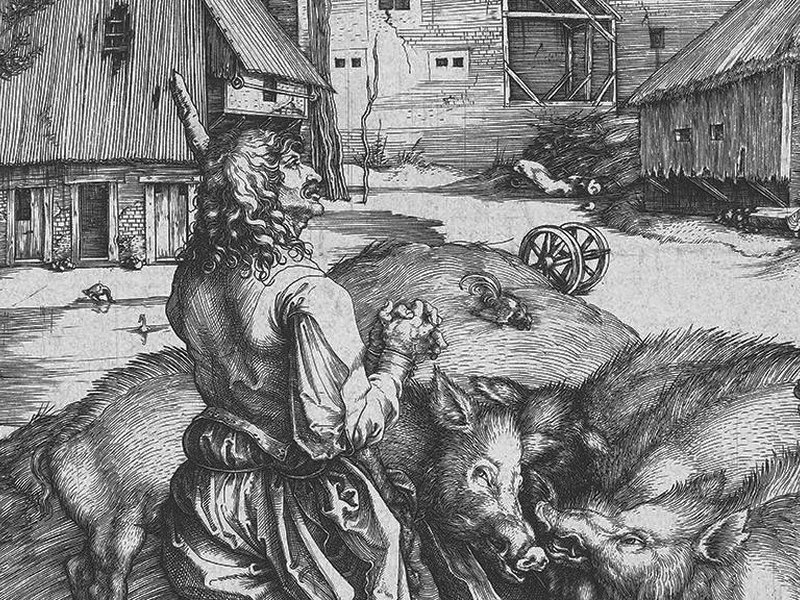
Perspectives on the Prodigal, (Part 2)

In the first essay on the parable of the Prodigal Son, I suggested that the problems commentators and others encounter in interpreting Jesus three-part parable are not accidental. These are not just problems in our ignorance of cultural background. They are intentional features of the stories —stories designed to poke…

by Ralph Allan SmithJuly 11, 2019
durer-prodigal-son-2
Luke

Perspectives on the Prodigal, (Part 1)

The story of the Prodigal Son is perhaps the most well-known story in the Bible. As others have observed, it may also be one of the most misunderstood. In two short essays, I will point out features of this story that are commonly neglected, aspects of Jesus’ parable that might…

by Ralph Allan SmithJuly 9, 2019
de-rijke-man-en-de-arme-lazarus-by-jacopo-da-ponte-16th-century
Luke

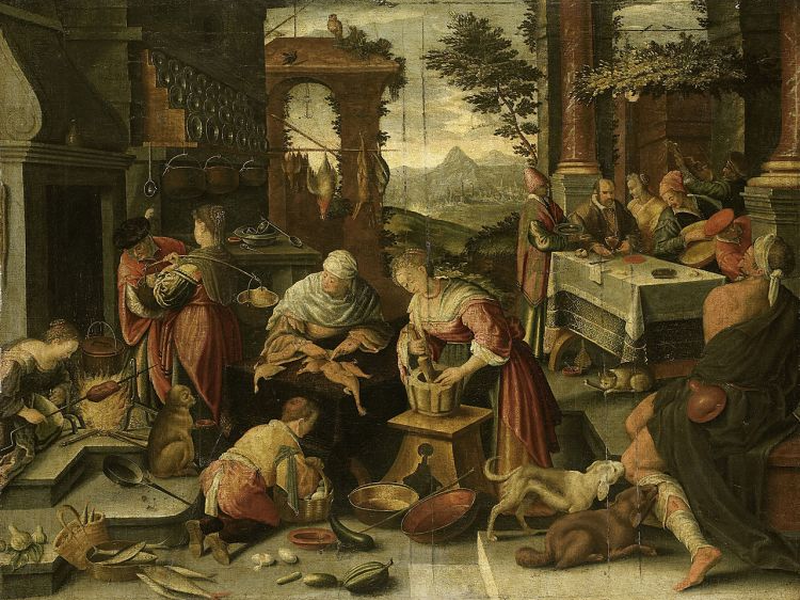
Lazarus and the Rich Man

The parable of Lazarus and the nameless rich man is not an independent story. It is part of a long context that begins in Luke 15:1, where Jesus is eating with tax collectors and sinners and the scribes and Pharisees grumble. In response to their hardheartedness, Jesus tells a three-part…

by Ralph Allan SmithJuly 4, 2019
aaron-burden-uynrnfdkjwg-unsplash
Luke

Everybody has Dropsy - Luke 14:1-24

The Bible is written so that even when a reader cannot pick up on what might be deeper or more detailed aspects of a text, there is virtually always a message to be heard. In the ancient world, where the “reader” of Scripture would likely be a church official facing…

by Ralph Allan SmithJuly 2, 2019
communion
Biblical Theology

Fruit Trees and Grain Plants

The distinction between garden (or vineyard) and field begins in Genesis 2. This relates to the ordering of the formless world. Plants of the field are contrasted with the garden planted by God in Genesis 2:5&8. Later on, under the Old Covenant the Israelites will be required to keep their…

by James B. JordanJune 27, 2019

Showing page 77 of 309

See all
See all

A Ruler in Israel

Micah’s prophecy begins with an advent, a theophany, of Yahweh. Yahweh rises from His palace-temple (1:2) to tread down the heights of the earth (1:3). At His coming, this too too solid world melts and turns watery, formless and void (1:4). Mountains represent highly-placed people who are going to be…

December 22, 2017

Lament for Moab

Some of the most passionate passages of the Old Testament are lamentations over Moab (Isaiah 15-16; Jeremiah 48). Why so much space and energy for a relatively obscure nation? We can find the reason by glancing at the history of Moab. Philistia is better known, but Moab is actually more…

December 21, 2017

Reformation and the Secular Age

Like many Catholic thinkers, Charles Taylor sees the Reformation as a crucial movement in the formation of the “secular age” of his most recent most massive title. Little of his discussion is absolutely new, but it is pithy and freshly stated, not to mention profoundly challenging for Protestants. Taylor sees…

December 21, 2017

Santa Fight Club

A little Christmas fluff, inspired by a 2008 NPR report. Thanks to my son Woelke for pointing me to the original story. Act 1 Phone ringing on an empty desk. Enter Santa Jeff, dressed in a red jacket and wearing a white beard. He answers the phone. Santa Jeff :…

December 21, 2017

Bronze Horseman

On a misty morning in 1703, Peter stood with advisors and surveyed the network of islands that made up the only land mass around the area. As Orlando Figes describes the scene in his magnificent Natasha’s Dance , “With his bayonet he cut two strips of peat and arranged them…

December 20, 2017

Poetics of Final Judgment

No area of Christian theology has been subjected to more Enlightened scorn than eschatology. Eschatology is myth to end all myth, superlatively mythological: All human beings ever will stand before the enthroned Jesus at a final judgment, some transfigured into Spiritual bodies to enjoy eternal bliss while others thrown with…

December 19, 2017

Showing page 111 of 2212

Browse by Category

In Medias Res

Your weekly digest for all things Theopolis.

Donate

Theopolis is nearly 100% donor-supported. Consider joining us on our mission.