Theopolis Logo

Writing

Explore our collection of theological essays, biblical studies, and reflections on faith and culture.

See all
evangelists
Matthew

Dating Matthew, (Part 1)

When might the Gospel according to Matthew have been written? Of course, any answer can only be speculation, but that does not mean we are reduced to groundless opinion. In this series of articles I point the way to an approach different from the general consensus among scholars today which…

by Ralph Allan SmithNovember 22, 2016
hebrew-manuscript-3
Hermeneutics

Synopticity, (Part 2)

In my first essay on “synopticity” I offered a rather rough definition of the phenomenon and important, though not exhaustive examples. In this essay, I want to introduce broader aspects of the phenomenon of “synopticity.” The first example that I have in mind is conventional stories, stories of different historical…

by Ralph Allan SmithNovember 17, 2016
screen-shot-2016-03-31-at-9-32-11-am
Ascension

Brexit and the Binding of Satan, Part 4

Since the judgment of Babel was followed by the initiation of the circumcision, the impending end of the circumcision in AD70 explains the significance of the first century miracle of foreign tongues. Except for a few Aramaic “teasers” in the book of Daniel, the Word of God was monolingual and…

by Mike BullNovember 15, 2016
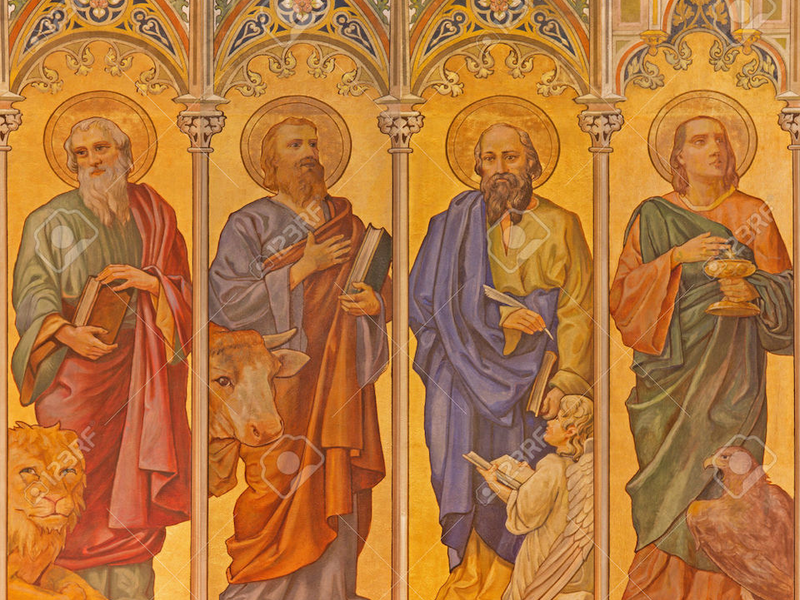
four-evangelists
Hermeneutics

Synopticity, (Part 1)

To the best of my knowledge “synopticity” is not a word used in theology or Biblical studies, but it seems an appropriate word to describe the kind of phenomena associated with the Synoptic Gospels, Matthew, Mark, and Luke. These three Gospels tell essentially the same story with significant — sometimes…

by Ralph Allan SmithNovember 10, 2016
laughing_statue_by_xxbobbiie-d5f0meh-2
Humor

Learning to Laugh

Humor is a funny thing. It is altogether familiar yet also mysterious. What makes us laugh? Why do we find things funny? There are academic fields of study dedicated to discovering what makes things humorous. These academicians even have a journal entitled International Journal of Humor Research . No joke.…

by Bill SmithNovember 8, 2016
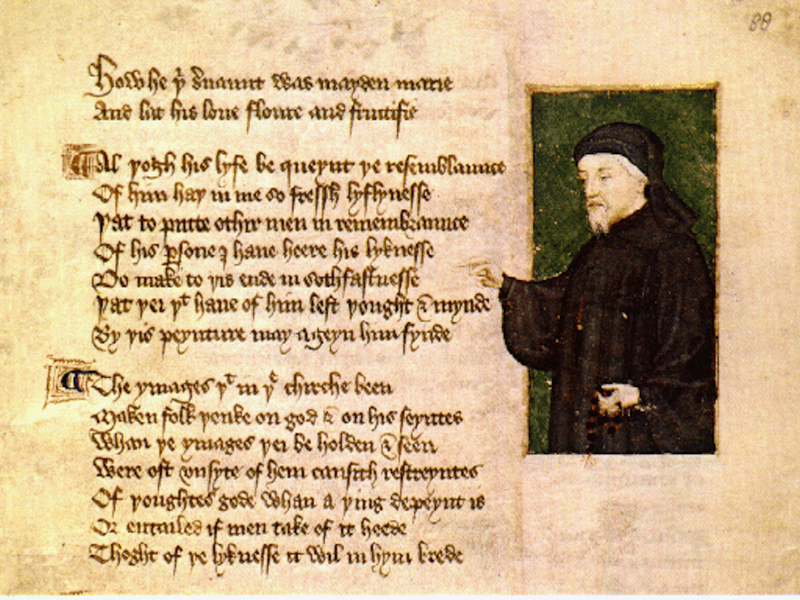
chaucer
Literature

Flawed Means of Grace: Liturgy in The Pardoner's Tale

Out of all the characters in Geoffrey Chaucer’s The Canterbury Tales , the Pardoner has been called the “one lost soul.” The pious Parson, who closes out the collection of tales with a sermon on the seven deadly sins and how a sinner can absolve himself of them, connects the…

by Christian LeithartNovember 3, 2016

Showing page 122 of 309

See all
See all

Ritual and Ceremony

The terms “ceremony” and “ritual” became sneer-words nearly as soon as they were introduced into English and other European languages, according to Edward Muir’s Ritual in Early Modern Europe (Cambridge, 2005): “Around the turn of the sixteenth century, as Thomas Greene has persuasively shown, ‘a kind of crisis confronted the…

December 1, 2006

Re-creation

Richard Davidson, writing in the Andrews University Seminary Studies (Spring 2004), shows that the restoration of the world after the flood follows the creation week: 1. Spirit/wind, Gen 1:2; 8:1 2. Division of waters, 1:6-8; 8:1-5 3. Dry land and plants, 1:9-13; 8:5-12 4. Lights, 1:14-19; 8:13-14 5. Animals (birds…

December 1, 2006

Thoughts on Jonah

Some random thoughts on Jonah, inspired by a conversation with my student, Brillana McLean. 1) The first chapters of Jonah seem to follow something of an exit-and-return story. Jonah gets in a boat and crosses some water; he is cast out and is swallowed by the waters and by a…

November 30, 2006
Uncategorized

Sermon notes, First Advent

INTRODUCTION Individual angels, particularly the angel of Yahweh, appear regularly in the Old Testament (Genesis 16:7, 11; Exodus 14:19; Numbers 22:23-24; Judges 13:3; 2 Kings 1:3, 15). Occasionally, individual angels are named (Daniel 8:16; 10:13, 21). Far less frequently, groups of angels appear (Genesis 19:1 [a pair]; 28:12; 32:1; Job…

November 30, 2006
Philosophy

Nietzsche and Foucault

If postmodern theorists are Marxists, they are Marxists of a particular stripe, in that their Marxism is crossed by Nietzschean pessimism. They believe that power struggles are at the center of history but no longer believe that these power struggles will end in an ideal classless society. Revelations concerning the…

November 30, 2006
Literature

Rise of fictionality

Novels, we say, are long prose fictions, but general the terms of that definition are left unexamined. What is “prose” after all? What, Catherine Gallagher wants to ask, is fiction? And how did fictionality become established as the matter-of-factly defining characteristic of the novel. It is often assumed that “fiction”…

November 27, 2006

Showing page 1757 of 2212

Browse by Category

In Medias Res

Your weekly digest for all things Theopolis.

Donate

Theopolis is nearly 100% donor-supported. Consider joining us on our mission.