Theopolis Logo

Writing

Explore our collection of theological essays, biblical studies, and reflections on faith and culture.

See all
img_9025
Biblical Studies

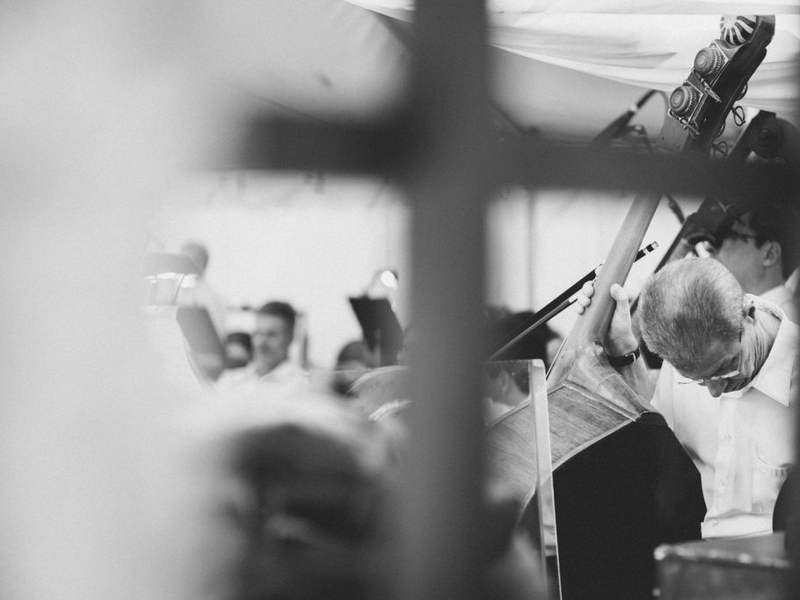
Music and Hermeneutics

From time to time, when I’ve lectured on how to read the Bible, I’ve used art-music as one example thereof. When we listen to a simple folk song, we hear the same melody over and over again, but this is not how composers write "high" music. Let me amplify. A…

by James B. JordanNovember 28, 1996

bank-phrom-tzm3oyu_6sk-unsplash
Biblical Horizons

Of Preaching and Newspapers

Sermons are rarely more tiresome than when they strive for relevance. Drawing from the latest headlines transforms the preacher into a one-man MacLaughlin Group, a Crossfire without the cross though perhaps with some of the fire, and leave the congregation thinking, "If I wanted Meet the Press, I could have…

by Peter LeithartNovember 27, 1996
yutacar-jkmnm3cincw-unsplash
Beer

Concerning Wine and Beer

Part One: The Old Testament “Drink is in itself a good creature of God, and to be received with thankfulness, but the abuse of drink is from Satan, the wine is from God, but the drunkard is from the Devil” Increase Mather in Wo to Drunkards (1673). 1. The “wine”…

by Jeff MeyersNovember 5, 1996
greg-rakozy-ompaz-dn-9i-unsplash-2
Jeremiah

Jeremiah 52:28-30

28. These are the people whom Nebuchadnezzar carried away into exile: in the 7th year 3023 Jews. 29. In the 18th year of Nebuchadnezzar 832 persons from Jerusalem. 30. In the 23rd year of Nebuchadnezzar, Nebuzaradan the captain of the guard carried into exile 745 Jewish people; there were 4600…

by James B. JordanOctober 28, 1996
adolfo-felix-4jl_vagxwcu-unsplash
Revelation

Concerning the Nations

Revelation 21:24 says, concerning the light shining from the New Jerusalem, "and the nations will walk by her light, and the kings of the land will bring their glory into her." Similarly, Revelation 22:2 says, concerning the Tree of Life, that "the leaves of the tree were for the healing…

by James B. JordanOctober 28, 1996
kiwihug-l4gw27xzn1i-unsplash
Jeremiah

Countdown to Exile II: Rebellion Against God’s Order

Jeremiah and the Beginning of Jehoiakim’s Reign Now comes Jeremiah, at the beginning of Jehoiakim’s reign, with similar words (Jeremiah 26). Harken to God’s law, he said, or else God will destroy the Temple the same way He sent the Philistines to tear down the Tabernacle at Shiloh (Jeremiah 26:6;…

by James B. JordanOctober 28, 1996

Showing page 262 of 309

See all
See all
Philosophy

Heidegger in his woods

Latour is tired of being accused of having forgotten Being, and offers this clever brush-off of Heidegger: “If, scorning empiricism, you opt out of the exact sciences, then the human sciences,, then traditional philosophy, then the sciences of language, and you hunker down in your forest - then you will…

November 15, 2006
History

Semi-modernism

Postmoderns, Latour suggests, think they are still modern, but in fact they have greatly oversimplified the modern Constitution. Postmoderns might emphasize the separation of subject and world, and stretch that opposition to a breaking point (Latour vividly describes them as doing the splits to keep subject and world apart); but…

November 15, 2006
History

Modern temporality

In his very good section on modern temporality, Latour argues that modernity assumes that everything in the present, modern moment, is purely modern, novel. Anything that appears that is not up-to-date is a “archaism,” and moderns worry constantly that this or that event or trend might “turn back the clock.”…

November 15, 2006
History

Representation

One of the key moves made since the 17th century, Latour argues, is a distinction between modes of “representation.” In the laboratory Boyle is representing things before selected witnesses through scientific experiments, giving mute nature a voice through the scientist, while in politics Hobbes suggests that the Sovereign speaks for…

November 15, 2006
History

We Have Never Been Modern

Bruno Latour’s We Have Never Been Modern (Harvard 1993) is a rich study. He describes modernity in terms of a dual process of “purification” and “hybridization.” Purification involves the clean construction of a nature (and science) separated off from society and the self, while hybridization involves mixtures of nature and…

November 15, 2006

Tears of things

And/Or: Virgil is aware that the furor of civil war can be curbed only by an opposing, and more intense, furor. That, as Milbank says, is the way of paganism - peace established only by superior violence against violence. But in those tears Virgil expresses the the painful recognition -…

November 13, 2006

Showing page 1763 of 2212

Browse by Category

In Medias Res

Your weekly digest for all things Theopolis.

Donate

Theopolis is nearly 100% donor-supported. Consider joining us on our mission.