Theopolis Logo

Writing

Explore our collection of theological essays, biblical studies, and reflections on faith and culture.

See all
screen-shot-2020-07-28-at-7-12-05-am
Wisdom

iMago Moi

So God created man in His own image, in the image of God He created him; male and female He created them. Genesis 1:27 In an ever-increasing barrage of self-obsession and tailor-made realities, how does the Christian navigate the waters of being someone who experiences life in the first person…

by Garrett SoucySeptember 29, 2020

img_4726-copy
Economics

Theses on Church Music and Economics

American church music is in a slump. To get out of the slump, we need a 10-year plan, a 50-year plan, and a 100-year plan. Many are doing extraordinary work on reforming church music in the near-term, and a few in the mid-term. What is desperately needed is the 100-year…

by John AhernSeptember 22, 2020
lazarus-2-2
Parables

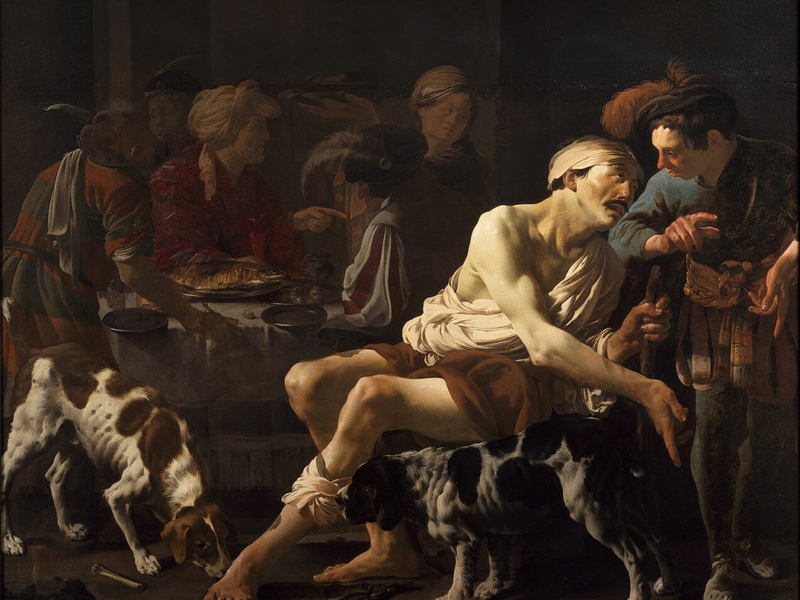
The Parable of Lazarus and the Rich Man

The following is an excerpt from The Maker Versus the Takers: What Jesus Really Said About Social Justice and Economics ¸ by Jerry Bowyer (New York, Fidelis Books, Post Hill Press, 2020), release date Sept. 15 th . The section below argues that the ‘Rich Man’ in the parable refers…

by Jerry BowyerSeptember 15, 2020
absaloms_death
Biblical Studies

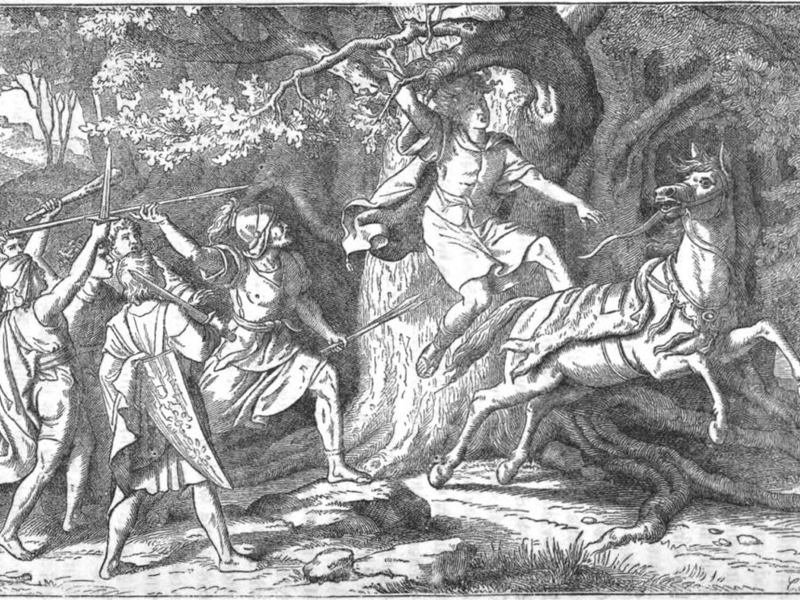
Death on a Tree: Absalom as Jesus-Type

Could Absalom be a Christ-type? If you know much about the Bible, you likely have an immediate aversion to even the possibility of answering this question in the affirmative. Absalom was third among David’s sons, while Amnon—his brother from another mother—was first (2 Sam. 3:2-3). As Absalom’s story begins, it…

by Eric RobinsonSeptember 8, 2020
giveusbarabbas
Biblical Studies

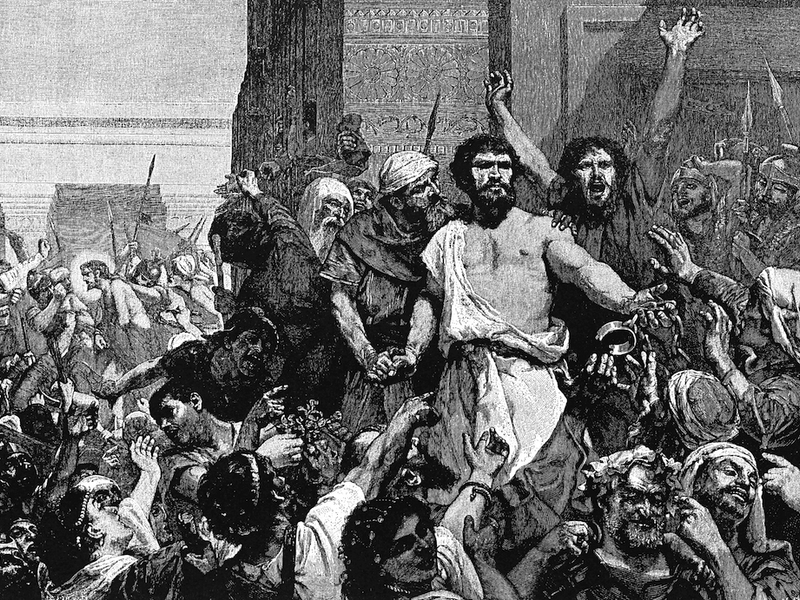
Barabbas

All four Gospels not only associate Barabbas and Jesus quite unabashedly, they do so emphatically and with a deep theological message. The scene is well-known. In His trial before Pontius Pilate, though Jesus had been declared innocent more than once, there seemed to be no hope of releasing Him. Pilate…

by Ralph Allan SmithSeptember 1, 2020
jim-jordan-teaching-2
Theopolis News

Announcement: The James B. Jordan Prize

The Theopolis Institute is pleased to announce the second round of the James B. Jordan Prize to honor outstanding doctoral dissertations in biblical theology. James Jordan is one of the most insightful biblical scholars of our time. The Jordan Prize exists to encourage more of the deep Scriptural investigation of…

by TheopolisAugust 31, 2020

Showing page 63 of 309

See all
See all
Literature

The Politics of Playing

Plays might be promoted as a kind of opiate of the masses: Mass entertainment that keeps them from more violent entertainments like rioting and pillaging. This could be problematic, if the entertainments were too heady for most people to follow. Thomas Heywood (1612) suggested that playwrights should “ayme . .…

September 28, 2006
Literature

Shakespeare regulated

How regulated was Shakespeare’s own theater? And for what reasons? Patterson highlights various reasons for closing or permitting theaters: audience composition, including the fear that a large collection of workers might be distruptive; public health; economic concerns; religious and moral concerns, especially Sabbatarian; and “a shifting and elusive imperative to…

September 28, 2006
Literature

American Shakespeare

Shakespeare’s fortunes in the US were, understandably, different from in England. Initially, Shakespeare was America’s most popular playwright, appealing to a wide sector of the American populace. Patterson notes that “by the end of the nineteenth century ‘Shakespeare’ had become a cultural icon, the property only of the ‘legitimate theater,’…

September 28, 2006
Literature

Popular Shakespeare

Annabel Patterson notes ( Shakespeare and the Popular Voice ) that contemporary critics, whatever their own political outlook, assume that Shakespeare was an advocate of Elizabethan hierarchy. This view, however, is a product of the 19th century. Dryden, Johnson, and others criticize Shakespeare for violating the conventions of his genre,…

September 28, 2006
Literature

Courtly Shakespeare, IV

By the 18th century, acting styles also invested Shakespeare with “courtly” virtues of control, dignity, stateliness. Dobson writes, “Shakespearian acting . . . in the decades following Betterton’s death in 1710, seems to have settled into a grandiloquent vein of static declamation, best exemplified by the stout James Quin (1693-1766)…

September 28, 2006
Literature

Courtly Shakespeare, III

Dobson again: “after Charles II’s death in 1685 England would never again have another monarch with such an informed interest in the drama (or, mercifully, such a lascivious one), and deprived of royal patronage and protection the playhouses came under renewed attack from the moralists (led by the redoubtable clergyman…

September 28, 2006

Showing page 1785 of 2212

Browse by Category

In Medias Res

Your weekly digest for all things Theopolis.

Donate

Theopolis is nearly 100% donor-supported. Consider joining us on our mission.