Theopolis Logo

Writing

Explore our collection of theological essays, biblical studies, and reflections on faith and culture.

See all
tomas-kirvela-rnunz9fnr8e-unsplash
Biblical Theology

Look to the Birds

The Bible reader that is mindful of patterns, is aware of the creation markers of Noah's flood. The Earth is deformed and is made into a ball of water, which then is made new with new promises and obligations to the New Adam (Noah) and his offspring. One of the…

by Matthew CoreyOctober 12, 2021
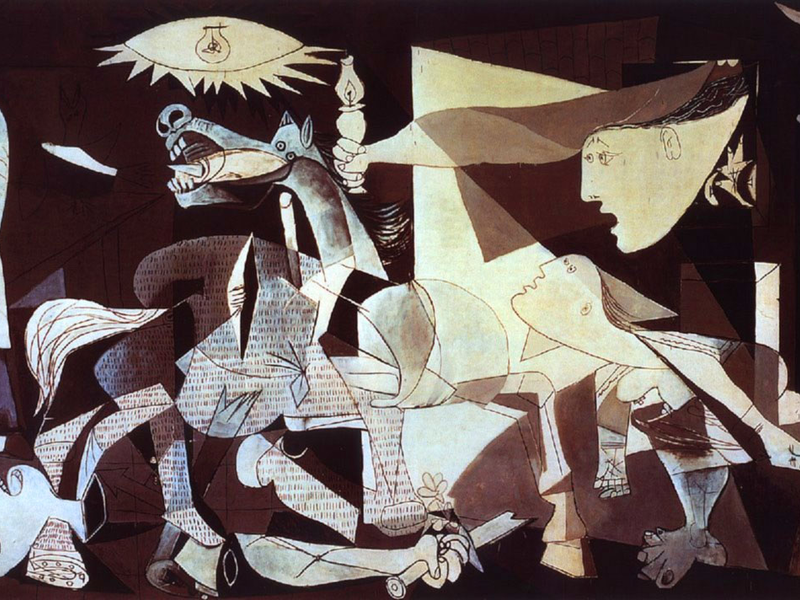
pablo-picasso-guernica
Art

The Ethical Nude

Exposing Nakedness “Picasso did not paint for the eyes but for the gut. He painted for the gut that the eyes might be opened.” I was at ease, and he broke me apart; he seized me by the neck and dashed me to pieces. (Job 16:12) One only has to…

by Mike BullOctober 5, 2021
stefan-vladimirov-q_moi2xjieu-unsplash
Coronavirus

A Modest Proposal

For preventing the unvaccinated people in Mississippi from being a burden on their friends, teachers, or waiters, and for making them beneficial to the public. Dr. Jonathan Swift It is a melancholy object to those who walk through a great southern college town, or travel throughout Mississippi, when they see…

by Jonathan BarlowSeptember 28, 2021
vladimir-fedotov-ij4wyjq1eai-unsplash
Coronavirus

The COVID Regime as Stoicheic Order

Throughout the world, governments are aggressively pushing COVID vaccines. Some have instituted mandates or vaccine passports. Many are losing patience with the unvaccinated, even proposing that they have forfeited the right to certain health services . The unvaccinated have become deplorables—the undeserving sick. This COVID regime has been bolstered by…

by James WoodSeptember 21, 2021
tanner-mardis-xuxghzhibn4-unsplash-1-2
Biblical Chronology

Groping Through the Gaps

Although nowadays gap theories are associated with dispensationalism, it was not always so. In the nineteenth century, scholars from a variety of backgrounds (Anglican, Reformed, and proto-fundamentalist) seem to have become fascinated by gaps. If you are not familiar with what I am talking about, this piece will acquaint you…

by James B. JordanSeptember 14, 2021
abraham-and-isaac-from-below-2
Biblical Studies

Snakes and Ladders

What kind of father gives his son a stone when he asks for bread, or a serpent when he asks for a fish? The answer is, the Heavenly Father! Jesus rarely stated the obvious, and this particular question in His Sermon on the Mount concerning the fatherhood of God is…

by Mike BullSeptember 7, 2021

Showing page 51 of 309

See all
See all

Objective/Subjective

McGrath notes that Augustine interpreted the genitive in the phrase “righteousness of God” in Rom 1 objectively, so that it was understood as the righteousness that God gives in saving sinners (in “making” them righteous). Ambrosiaster, as I pointed out in an earliet post, interpreted the genitive subjectively - the…

April 20, 2006

Old Perspective on Paul

Ambrosiaster writes, “Iustitia est Dei, quia quod promisit dedit, ideo credens hoc esse se consecutum quod promiserat Deus per prophetas suos, iustum Deum probat et testis est iustitiae eius” (PL, 17.56b). McGrath explains: “God, having promised to give salvation, subsequently gives it, and as a result is deemed to be…

April 20, 2006
History

Unfinished Reformation

Nevin wrote: “There is more a great deal in Christianity, I firmly believe, more in the idea of hte Holy Catholic Church, than has yet been attained, either in the way of knowledge or in the way of life, by the Protestant Reformation.”

April 20, 2006

Factitive Justification

There was a consensus among the theologians of Trent, McGrath argues, that justification was “factitive,” a view that excluded that “a sinner may be justified solely as a matter of reputation or imputation, while remaining a sinner in fact.” But of course that raises the question, What exactly is a…

April 20, 2006

True Lutherans

McGrath traces the odd development in Lutheran Orthodoxy of the notion that regeneration and faith precede justification in such a way that “where Luther had understood justification to concern the unbelieving sinner, orthodoxy revised this view, referring justification to the believing sinner.” This takes Lutheran Orthodoxy back in the direction…

April 20, 2006

Ontological change

McGrath notes, “While justification was universally understood to involve the regeneration of humanity, the opinion that an ontological change is thereby effected within humans is particularly associated with the period of High Scholasticism and the development of the concept of created grace. The earlier medieval theologians expressed the change effected…

April 20, 2006

Showing page 1854 of 2212

Browse by Category

In Medias Res

Your weekly digest for all things Theopolis.

Donate

Theopolis is nearly 100% donor-supported. Consider joining us on our mission.