Theopolis Logo

Writing

Explore our collection of theological essays, biblical studies, and reflections on faith and culture.

See all
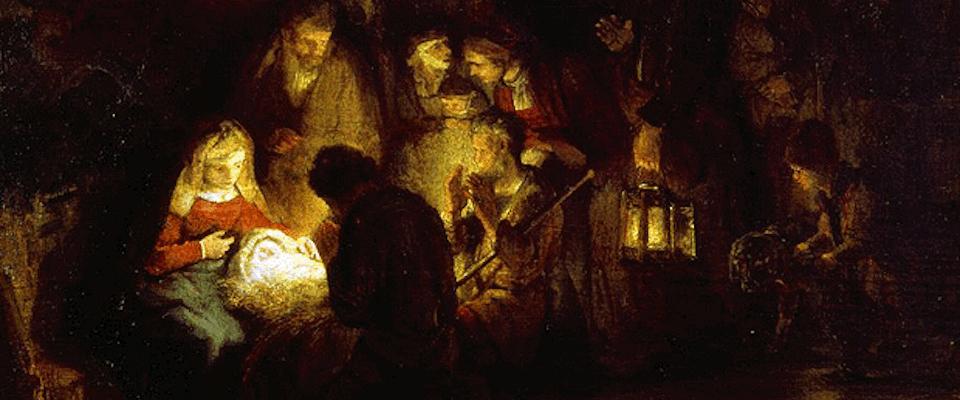
nativity-2
Advent

Joyful Humility

Christmas is a joyful season, but for many it turns into something else. Instead of joy, it is full of disappointment and unhappiness. Instead of an occasion for family fellowship, it becomes an opportunity for opening old wounds, reigniting old arguments, giving new life to rancor that should have died…

by Peter LeithartDecember 19, 2016
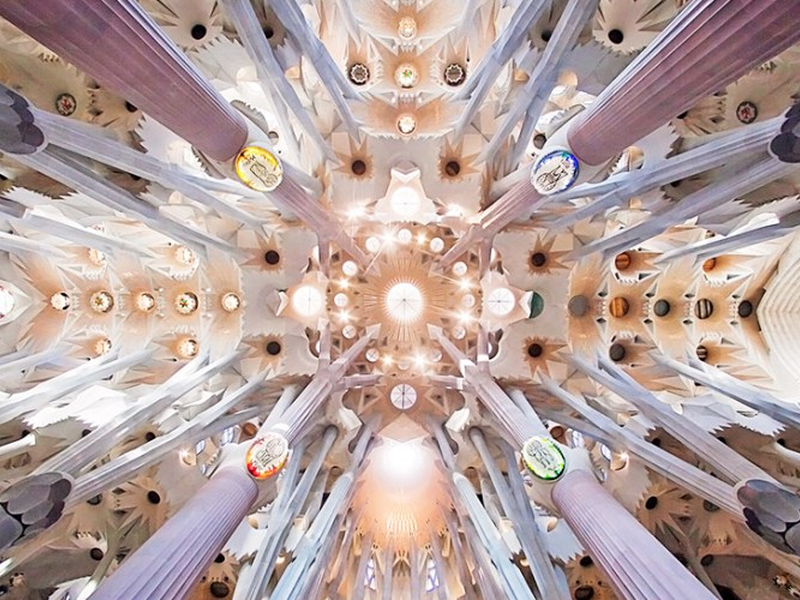
sagradafamilia-crop
Biblical Theology

Systematic Typology (Part Five)

The Temple of Time The “covenant-literary matrix” of the Bible is not a pattern imposed upon the text, but the internal logic of its arrangement. This fundamental structure, functioning at multiple levels simultaneously, is a ceaseless reiteration of God’s primary theme. It is an algorithm forged in the furnace of…

by Mike BullDecember 16, 2016
img_1456
Hermeneutics

Exodus in 1 Kings

In the four hundred and eightieth year after the Exodus, Solomon began to build the temple of the Lord in Jerusalem. [1] That the author of Kings should date the start of the building of the temple from the Exodus is noteworthy. In Exodus 15:17, in Moses’ song following the…

by Alastair RobertsDecember 8, 2016
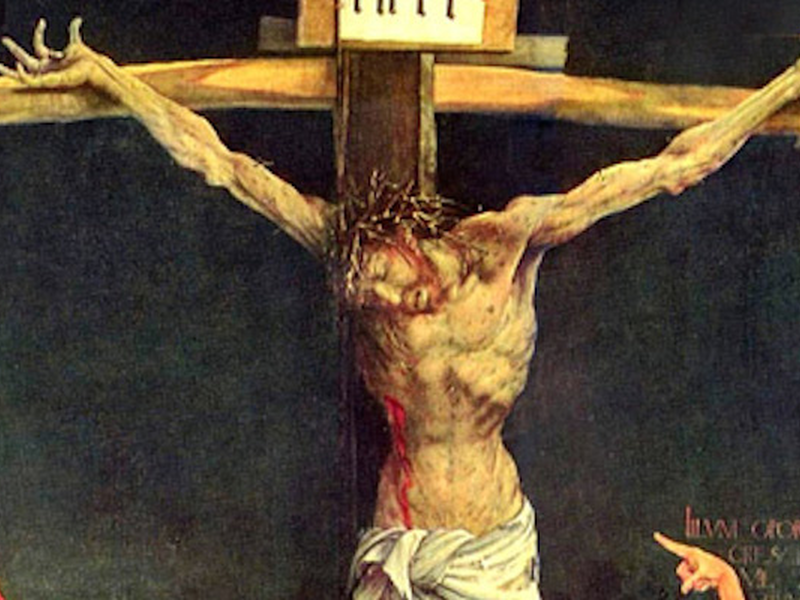
cross-grunwald
Cross

How Mist Gains Weight

Philip Schaff, a German Reformed theologian, states in The Principle of Protestantism that the material principle of Protestantism is “the doctrine of the justification of the sinner before God by the merit of Christ alone through faith.” This is the core message of the Church which leads “to the abandonment…

by Bogumil JarmulakDecember 6, 2016
mountain-top
Biblical Theology

Jesus and Godel's Theorem

“Religion” is an attempt to create or build a tower with a top, or to build a temple that is self-contained. The story of The Tower of Babel in Genesis 11 is the story of mankind’s attempt to create a world that is self-contained and does not need God. All…

by Richard BledsoeDecember 1, 2016
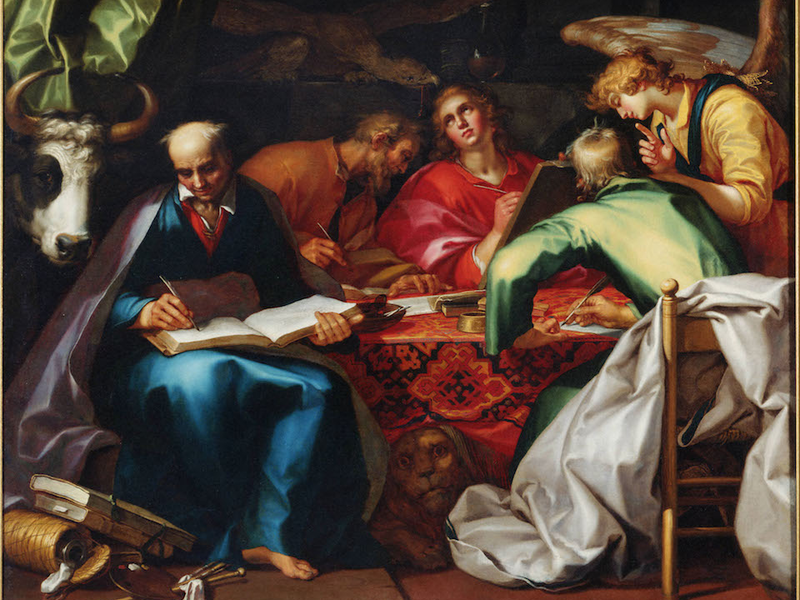
four-evangelists
Matthew

Dating Matthew, (Part 2)

In the first essay in this series, I presented a case for dating Matthew before AD 70, contrary to the present scholarly consensus. In this essay, I intend to present cultural, personal, ecclesiological, and theological arguments for a very early date for Matthew. [1] The cultural argument concerns literacy in…

by Ralph Allan SmithNovember 29, 2016

Showing page 121 of 309

See all
See all

Ocularity and the ancients

A TLS reviewer examines what sounds like a fascinating book on Plato and Aristotle’s appropriation of “theoria” (originally referring to spectators who watch the Olympics and other festivals in a kind of “sacralized spectating”). Along the way, the reviewer comments on recent criticisms of the “spectator theory of knowledge” often…

March 6, 2006

Eucharistic meditation, first lent

2 Kings 14:25: Jeroboam restored the border of Israel from the entrance of Hamath as far as the Sea of the Arabah, according to the word of the Lord, the God of Israel, which he spoke through His servant Jonah the son of Amittai, the prophet, who was of Gath-Hepher.…

March 5, 2006

Exhortation, First Sunday of Lent

What is the cross? Originally a Persian invention, crucifixion became a Roman method of execution, reserved for slaves and for the most dangerous political criminals. Josephus described it as the “most wretched of deaths,” as a victim slowly suffocated with the weight of his own body. One writer describes crucified…

March 5, 2006
Philosophy

Beginnings

A man went searching for the beginning of the road he was traveling. He traced his footsteps back the way he had come, until he came to where he started. But the beginning of the road was not a beginning. Something lay on the far side of the road’s beginning,…

March 4, 2006
Philosophy

Foucault on man

Another discarded fragment. Perhaps the best-known of the postmodern theories of the self is that of Michel Foucault. According to Foucault, “man” is an invention of the recent past, of the modern world. Contrary to popular opinion, “man” has not been the subject of investigation since the time of the…

March 4, 2006

Bultmannian irony

Bultmann says that we moderns who can flick on electric lights cannot believe in the dichotomous anthropology of the New Testament, which distinguishes absolutely between the spiritual core of the self and the physical body. Problem is, that’s not the New Testament anthropology. In fact, it’s ironically the product of…

March 4, 2006

Showing page 1871 of 2212

Browse by Category

In Medias Res

Your weekly digest for all things Theopolis.

Donate

Theopolis is nearly 100% donor-supported. Consider joining us on our mission.