Theopolis Logo

Writing

Explore our collection of theological essays, biblical studies, and reflections on faith and culture.

See all
tim-marshall-k2u71wv2ei4-unsplash
Modernity

Protestantism and the Postmodern self

Postmodernism has, we are told, “decentered” the modern self, that unified, sovereign, isolated, godlike “thinking thing” discovered by Rene Descartes. The postmodern self is not single but multiple; not sovereign but controlled by external forces; not isolated but “embedded” in the world and in relation; not godlike, but human, all…

by Peter LeithartMay 6, 2013

kiwihug-l4gw27xzn1i-unsplash
Matthew

Law and History: How to Read the Law of Moses (Part 8)

This is the eighth in a series of studies on Deuteronomy 22:30-23:8. And Jesus went out thence, and withdrew into the parts of Tyre and Sidon. And behold, a Canaanitish woman came out from those borders, and cried, saying, Have mercy on me, O Lord, thou son of David; my…

by Ralph Allan SmithMay 1, 2013
screen-shot-2023-09-20-at-7-04-07-am
Augustine

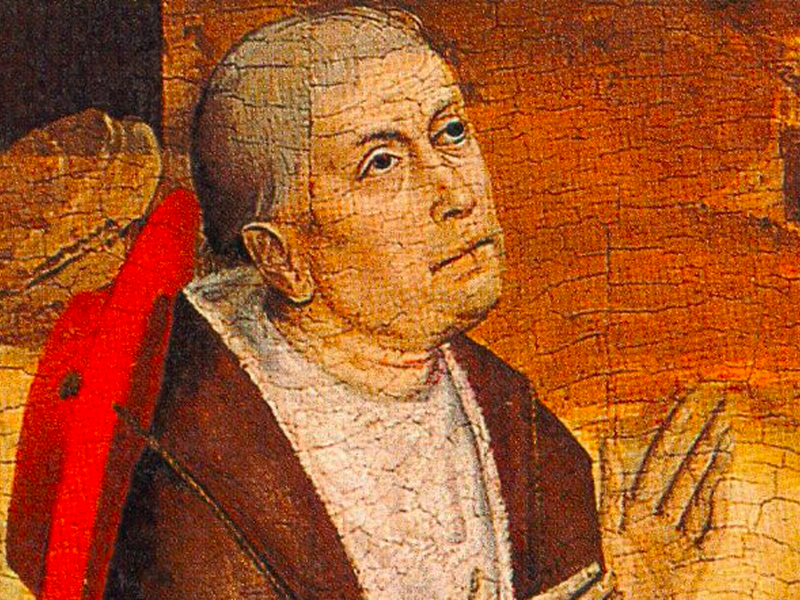
A Cusan Modernity?

The fifteenth-century German Cardinal Nicholas of Cusa led a busy and wide-ranging life. Educated in liberal arts and law at Heidelberg and Padua, Nicholas was a leading figure in the Conciliarist movement, and later served as a papal legate to both Constantinople and throughout Germany. As Bishop of Brixen, he…

by Peter LeithartApril 29, 2013
screenshot-2023-07-27-at-10-25-35-am
Deuteronomy

Law and History: How to Read the Law of Moses (Part 7)

This is the seventh in a series of studies on Deuteronomy 22:30-23:8. Thou shalt not abhor an Edomite, for he is thy brother; thou shalt not abhor an Egyptian, because thou wast a sojourner in his land. The children of the third generation that are born unto them shall enter…

by Ralph Allan SmithApril 25, 2013
ivan-aleksic-16yxcjsoaek-unsplash
Romans

What Advantage the Jew?

A sermon on Romans 3:1-8. 1 Then what advantage has the Jew? Or what is the value of circumcision? 2 Much in every way. To begin with, the Jews were entrusted with the oracles of God. A lot of people speculate here about what kind of advantage Paul is talking…

by Mark HorneApril 22, 2013
screenshot-2023-07-27-at-10-25-35-am
Deuteronomy

Law and History: How to Read the Law of Moses (Part 6)

This is the sixth in a series of studies on Deuteronomy 22:30-23:8. An Ammonite or a Moabite shall not enter into the assembly of Yahweh; even to the tenth generation shall none belonging to them enter into the assembly of Yahweh forever: because they met you not with bread and…

by Ralph Allan SmithApril 17, 2013

Showing page 195 of 309

See all
See all
Philosophy

Collapsing Foundationalisms

Wells quotes from British sociologist Anthony Giddens , who argues that postmodernism is not so much a rejection of modern foundationalism as “unmasking what has been hidden in the modern.” In classic Enlightenment foundationalism, reason is self-grounded, and faith in reason is a dogmatic faith. For consistency’s sake, Enlightenment thinkers…

December 23, 2005
Theology

David Wells on Pomo

Like many of David Wells ‘s books, I’ve find his recent Above All Earthly Pow’rs simultaneously bracing, stimulating, and frustrating. Wells examines the consequences of the confluence of two main cultural trends - the postmodern ethos and the increasingly pluralistic religious situation of the West. He makes many good points:…

December 23, 2005

Moses in 1-2 Kings

Moses is mentioned 10 times in Kings, and there are some tantalizing connections with the 10 Words that Moses delivered to Israel. For instance: 1. 1 Kings 2:3: David exhorts Solomon to guard the Lord’s commandments and walk in his ways, using a 7fold description of the law. This is…

December 23, 2005

Homo Creator

In his 1607 treatise, Idea of Painters, Sculptors, and Architects , the painter Federigo Zuccaro claimed that human being was creative being: “Because of His goodness and to show in a small replica the excellence of his divine art, [God] having created man in His image and likeness with respect…

December 22, 2005
History

Augustine and the Renaissance Self

William Bouwsma points out in his book on the “waning of the Renaissance” that the Renaissance challenged what he calls the “traditional conception of the self,” in which reason sits at the top of a hierarchy of discrete faculties, including will, passions, and body. The challenge to this conception during…

December 22, 2005
Theology

Frame on McLaren

John Frame has a typically gracious though critical review of Brian McLaren ‘s Generous Orthodoxy in the current issue of Reformation and Revival Journal. Frame appreciates a number of the concerns that animate McLaren (learning from other Christian traditions, the missional concept of the church, a hermeneutic of love, among…

December 21, 2005

Showing page 1909 of 2212

Browse by Category

In Medias Res

Your weekly digest for all things Theopolis.

Donate

Theopolis is nearly 100% donor-supported. Consider joining us on our mission.