
Theopolis Logo

Writing

Explore our collection of theological essays, biblical studies, and reflections on faith and culture.

See all
cloister

Gatekeepers

1 Chronicles 9:1 seems to bring the genealogies of 1 Chronicles to an end. The Chronicler has recorded the genealogy of the human race from Adam, focusing on the descendants of Abraham through Jacob. Summing it all up, he says, “So all Israel was enrolled by genealogies; and behold, they…

by Peter LeithartJune 21, 2016
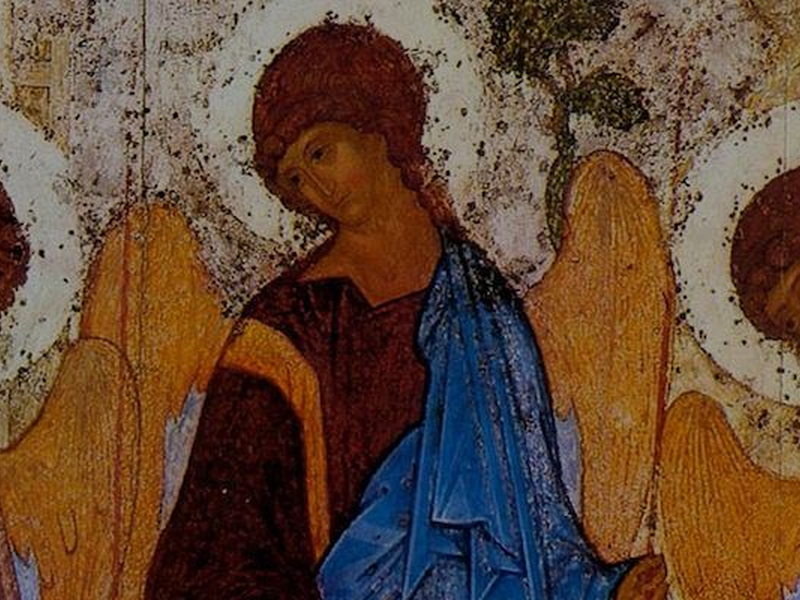
trinity-1-2
Trinity

Are the Divine Persons Persons?

The “personalist” understanding of the Trinity, articulated most influentially in the work of John Zizioulas, has fallen on hard times. Recent scholars have attacked Zizioulas’s idea that Cappadocian Trinitarianism represented an ontological revolution, hammering on the distinction between divine and human personhood. Michel Barnes’s conclusion is the most drastic of…

by Peter LeithartJune 16, 2016
img_4660-2
Architecture

On Biblical Theology

Biblical Theology is often defined as the historical unfolding of God’s revelation, or of God’s revelation and of the history of his covenantal redemption and transformation of humanity and the world. In practice, Biblical Theology is usually broader than this, and also includes the study of literary structure and of…

by James B. JordanJune 14, 2016
laughing_statue_by_xxbobbiie-d5f0meh-2
Humor

Wise Laughter

We are made to be happy. Created to enter into the eternal joy of God, our whole being inclines to that end, but the fallen world has put forth barriers and by our own sin we bar ourselves from that endless delight, and death blinds us to that reality. Yet…

by Remy WilkinsJune 7, 2016
img_7664
Liturgy

Why Theopolis? Take Two

At the end of Revelation, John sees the heavenly city descending to earth. The city shines with the brilliance of God's glory, which lightens the nations, so that kings bring their glory to the city. This is not a vision of the final new heaven and new earth. It's a…

by Peter LeithartJune 2, 2016
trinity-1-2
Attributes of God

How Can We Talk About God?

“No one has ever seen God,” writes John (John 1:18). If this is the case, then how can we speak about God? Some people say we actually cannot. Or at least we cannot speak about God positively, i.e. who He is. We can only say who or what God is…

by Bogumil JarmulakMay 31, 2016

Showing page 130 of 309

See all
See all
Philosophy

Against Foundationalism

Calvin O. Schrag has this helpful critique of what he calls the “foundationalist paradigm”: It “profeers a theoretical construct of mind that is designed to determine in advance the criteria for what counts as knowledge, both knowledge of oneself and knowledge of the world. It is as though one were…

December 4, 2005

Magi, the true Israel

The magi come searching for Jesus from the east, from Persia, moving west toward the promised land, as Israel did following the Babylonian exile. As they travel, they follow a star, as Israel followed the pillar of cloud and fire from Egypt. They bring gold, frankincense, and myrrh to worship…

December 4, 2005

Joseph, son of Yahweh

The Israel that the Son of God entered in the incarnation was not some pristine, sinless Israel. God took on a genealogy that included harlots, adulterers, murderers, and idolaters. God did not keep his distance from his bride, but came near to rescue her. Though initially intending to put Mary…

December 4, 2005

Eucharistic meditation, Second Advent

Matthew 1:24-2:1: And Joseph arose from his sleep, and did as the angel of the Lord commanded him, and took her as his wife, and kept her a virgin until she gave birth to a Son; and he called his name Jesus. Now . . . Jesus was born in…

December 4, 2005

Exhortation, Second Advent

Joseph is often a neglected character in the Christmas story. In paintings and crèches, he politely stands to the side so that the Madonna and child can be at the focal point. In medieval mystery plays, he was often a comic character, a doddering old man more marginal even than…

December 4, 2005

Myself In the Gaze of Another

This is not a paper, and that is not an ironic self-referential comment like Magritte’s Ceci n’est pas une pipe . This really is not a paper. It is a gesture toward a paper, a collection of fragments and notes. There is a goal here, a telos and trajectory: These…

December 4, 2005

Showing page 1917 of 2212

Browse by Category

In Medias Res

Your weekly digest for all things Theopolis.

Donate

Theopolis is nearly 100% donor-supported. Consider joining us on our mission.



