Theopolis Logo

Writing

Explore our collection of theological essays, biblical studies, and reflections on faith and culture.

See all
little-girl
Children

Honor God With Your Body

I am making a new rule in our house! We are actually kind of skimpy on the house rules. I try very hard to keep things simple: love God, love others, be joyful. It’s not complicated to avoid discipline here. But I have found myself repeating this new rule over…

by Lindsey TollefsonApril 9, 2015

giotto-noli-me-3
John

The Gardener and the Beloved, (Part 3)

Click HERE for Part 2 The voice of Jesus transforms and changes Mary when she hears him speak her name. This is her last “turning.” So also the woman in the Song of Songs longs to hear the voice of her beloved. Let me see your face, let me hear…

by Jeff MeyersApril 6, 2015
giotto-noli-me-2
John

The Gardener and the Beloved, (Part 2)

Click HERE for Part 1. The details of this story call the attentive reader back to the drama of Solomon’s Song of Songs. And the Song of Song’s alludes to, ties us into the story of Adam and Eve in the Garden and the promise of a coming Messiah that…

by Jeff MeyersApril 4, 2015
easter-term-2015-2
Theopolis News

Easter Term, 2015

“The course was a paradigm shift for me,” said Jonathan Sedlak, a Milwaukee electrical contractor who attended Theopolis’s course on Revelation. “I am left with a book that is far more practical than it has ever seemed before.” Jonathan Anderson of Louisville, Kentucky found the course “refreshing.” “I finished with…

by TheopolisApril 2, 2015
psalm-singing
Genesis

Worship as Response: Liturgical Logic, (Part 1)

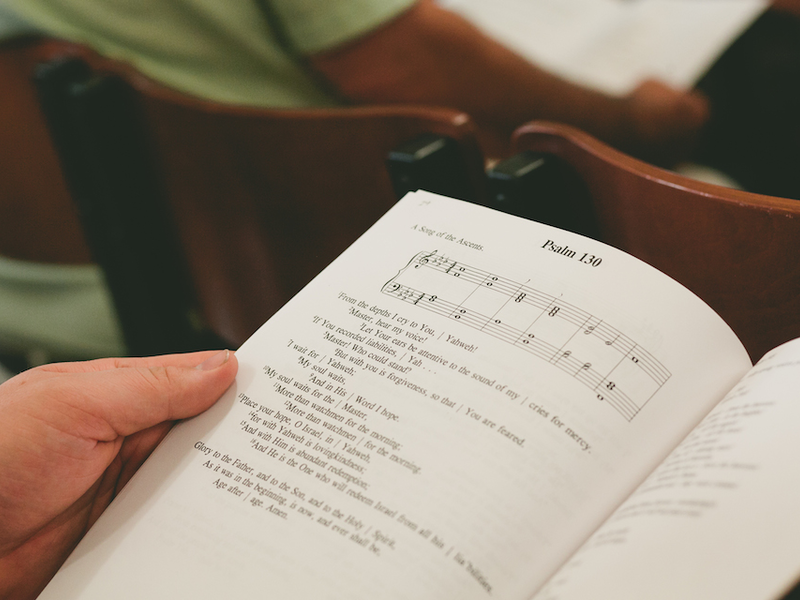
“It is only by participation in a rational, practice-based community that one becomes rational.” – Alasdair MacIntyre It may be perfectly clear to a chef why adding unsifted powdered sugar to a hot frosting is a bad idea. But for an amateur cook, this may be the kind of rule…

by Jonathan BarlowApril 2, 2015
giotto-noli-me
John

The Gardener and the Beloved, (Part 1)

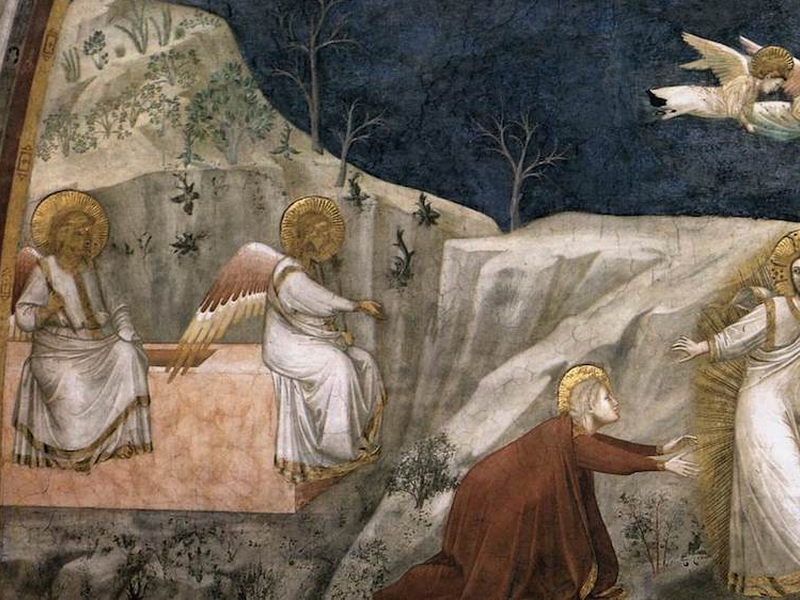
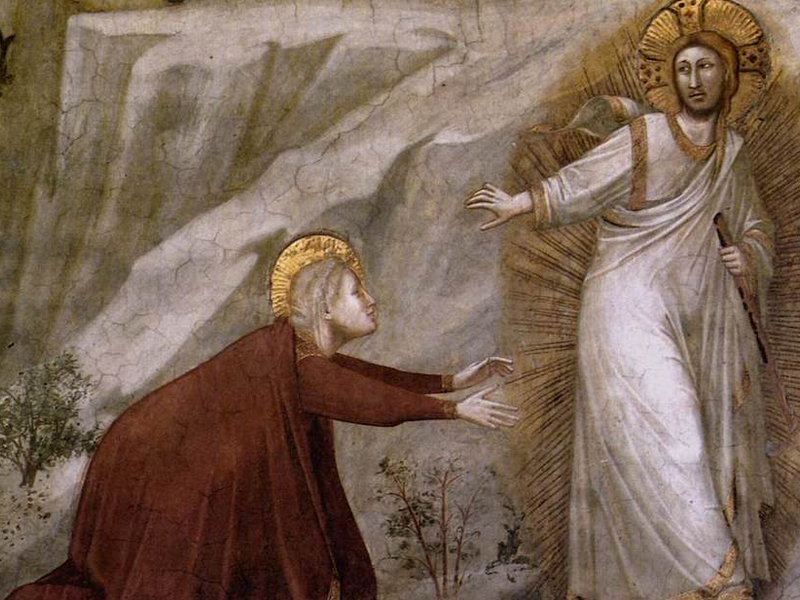
On a fresco in a chapel in Padua, Italy, there is a famous painting depicting the dramatic post-resurrection scene in John 20 with Mary and Jesus outside of the garden tomb. Giotto di Bondone painted it in the early 14th century. Jesus is striding from the tomb with a victor’s…

by Jeff MeyersApril 1, 2015

Showing page 156 of 309

See all
See all
Theology

Rehabilitating patriarchy

Russell Moore gave a vigorous presentation at ETS on why egalitarians are winning the evangelical gender debate. He summarized some of the recent sociological work on evangelical family life, which presents a mixed picture. On the one hand, Bradford Wilcox’s Soft Patriarchs, New Men shows that evangelical fathers are not…

November 18, 2005
Literature

Herod’s fears

In For the Time Being , W. H. Auden described Herod’s reaction to the news that “God has been born.” If this is true, and if the news gets out, Herod thinks, all is lost; confusion will reign. The passage is one of the most effective descriptions of the nature…

November 17, 2005

Emerson as Sacramental Theologian

Lundin spends considerable time describing Emerson’s rejection of Christian orthodoxy in favor of an American version of Romanticism, and shows that Emerson’s departure from orthodoxy centered on his rejection of the Eucharist. Emerson resigned his post at the Second Church of Boston because he could no longer administer the Supper…

November 17, 2005
Literature

Lewis as critic

Toward the close of Lundin’s book, he offers a number of intriguing criticisms of CS Lewis as a literary critic. He claims that while Lewis recognized the corrosive effects of the Enlightenment and Romantic conception of the self in his theological writings, he adopted a form of romanticism in his…

November 17, 2005
Philosophy

Denken ist Danken

One of the important themes that emerges from Lundin’s book (mentioned in the previous post) is the centrality of gratitude in thought. Heidegger, he says, “was fond of the seventeenth-century Pietist phrase Denken ist Danken , ‘to think is to thank.’” Lundin expounds the point a few pages later: “Through…

November 17, 2005

Showing page 1924 of 2212

Browse by Category

In Medias Res

Your weekly digest for all things Theopolis.

Donate

Theopolis is nearly 100% donor-supported. Consider joining us on our mission.