Theopolis Logo

Writing

Explore our collection of theological essays, biblical studies, and reflections on faith and culture.

See all
tim-marshall-k2u71wv2ei4-unsplash
Modernity

Protestantism and the Postmodern self

Postmodernism has, we are told, “decentered” the modern self, that unified, sovereign, isolated, godlike “thinking thing” discovered by Rene Descartes. The postmodern self is not single but multiple; not sovereign but controlled by external forces; not isolated but “embedded” in the world and in relation; not godlike, but human, all…

by Peter LeithartMay 6, 2013

kiwihug-l4gw27xzn1i-unsplash
Matthew

Law and History: How to Read the Law of Moses (Part 8)

This is the eighth in a series of studies on Deuteronomy 22:30-23:8. And Jesus went out thence, and withdrew into the parts of Tyre and Sidon. And behold, a Canaanitish woman came out from those borders, and cried, saying, Have mercy on me, O Lord, thou son of David; my…

by Ralph Allan SmithMay 1, 2013
screen-shot-2023-09-20-at-7-04-07-am
Augustine

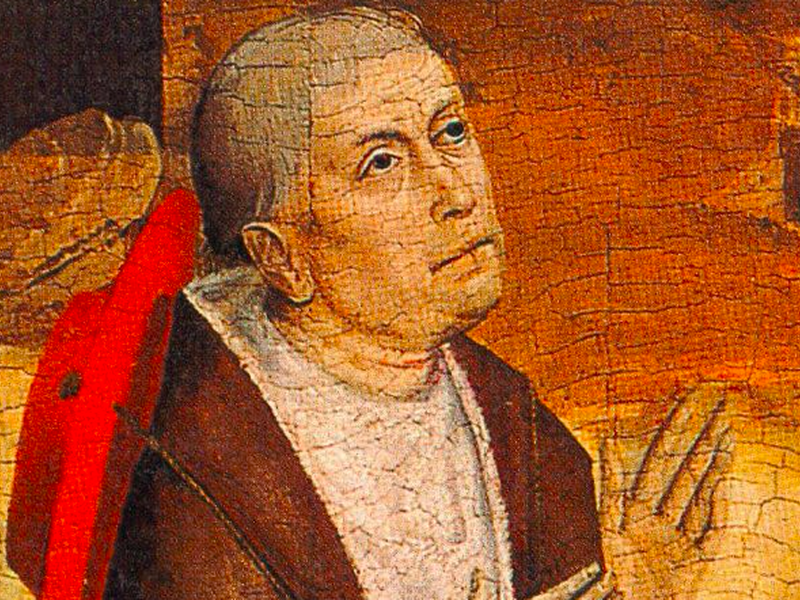
A Cusan Modernity?

The fifteenth-century German Cardinal Nicholas of Cusa led a busy and wide-ranging life. Educated in liberal arts and law at Heidelberg and Padua, Nicholas was a leading figure in the Conciliarist movement, and later served as a papal legate to both Constantinople and throughout Germany. As Bishop of Brixen, he…

by Peter LeithartApril 29, 2013
screenshot-2023-07-27-at-10-25-35-am
Deuteronomy

Law and History: How to Read the Law of Moses (Part 7)

This is the seventh in a series of studies on Deuteronomy 22:30-23:8. Thou shalt not abhor an Edomite, for he is thy brother; thou shalt not abhor an Egyptian, because thou wast a sojourner in his land. The children of the third generation that are born unto them shall enter…

by Ralph Allan SmithApril 25, 2013
ivan-aleksic-16yxcjsoaek-unsplash
Romans

What Advantage the Jew?

A sermon on Romans 3:1-8. 1 Then what advantage has the Jew? Or what is the value of circumcision? 2 Much in every way. To begin with, the Jews were entrusted with the oracles of God. A lot of people speculate here about what kind of advantage Paul is talking…

by Mark HorneApril 22, 2013
screenshot-2023-07-27-at-10-25-35-am
Deuteronomy

Law and History: How to Read the Law of Moses (Part 6)

This is the sixth in a series of studies on Deuteronomy 22:30-23:8. An Ammonite or a Moabite shall not enter into the assembly of Yahweh; even to the tenth generation shall none belonging to them enter into the assembly of Yahweh forever: because they met you not with bread and…

by Ralph Allan SmithApril 17, 2013

Showing page 195 of 309

See all
See all

Architectural Justice

J ames Jordan has often called attention to Ezekiel 43:10-11, where the Lord explains the purpose of the elaborate temple vision that He has shown the prophet. When Israel hears the design and plans of the temple, its entrances and exits, it straight lines and its corners, they will “be…

March 17, 2017

Protestantism and Nature

L awrence Feingold doesn't much like de Lubac's work on the natural desire to see God . He doesn't think the neo-Thomist distinction of natural and supernatural is responsible for the rise of atheism and naturalism. On the contrary, the distinction is necessary to combat naturalism. Feingold writes, “the Thomistic…

March 17, 2017

Odysseus and Dialectics of Environment

N ear the beginning of their Dialectic of Enlightenment , Max Horkheimer and Theodore Adorno “allegorize” on an episode in the Odyssey , in which Odysseus takes his ship past the Sirens who entice mariners toward the dangerous shoals of their island with their sweet singing. Odysseus wants to hear…

March 17, 2017

Talking Trees

T rees are slow, like Ents. The electrical impulses that pass through trees travel at a rate of one-third of an inch per second. Why do trees need electricity? According to Peter Wollheben ( The Hidden Life of Trees ), they need electricity to talk to each other. He's not…

March 17, 2017

Indirect Subject

S lavoj Zizek ( Mythology, Madness, and Laughter ) explains Hegel's sublation of Kantian transcendentalism by noting that Hegel accepts Kant's root insight, the “the subjective constitution of reality, the split that separates the subject from the in-itself.” Yet Hegel doesn't stop with this acceptance: “this very split is transposed…

March 17, 2017

God the Temple

T he Bible is a narrative of architecture and city planning. The Creator is a divine architect and builder. On earth, He is first a landscape architect, designing and planning a garden, then a designer of tents and temples, finally an architect of people who builds a church of living…

March 17, 2017

Showing page 195 of 2212

Browse by Category

In Medias Res

Your weekly digest for all things Theopolis.

Donate

Theopolis is nearly 100% donor-supported. Consider joining us on our mission.