Theopolis Logo

Writing

Explore our collection of theological essays, biblical studies, and reflections on faith and culture.

See all
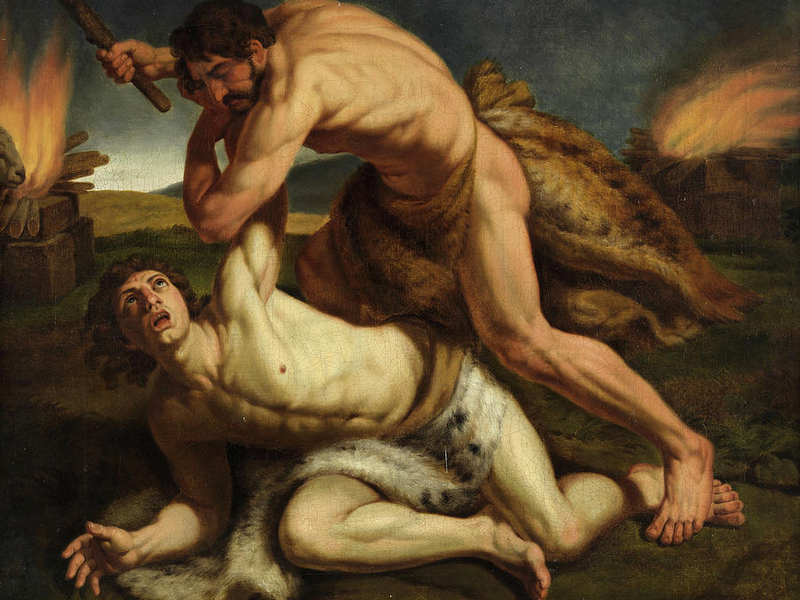
cain-killing-abel-unknown-19th-century
Biblical Theology

The Gospel of Genealogy

Genesis 3 ends on a decisive, and decisively negative, note. Yahweh “drove the man out” of the garden, and, in addition, “at the east of the garden of Eden He stationed the cherubim, and the flaming sword which turned every direction, to guard the way to the tree of life.”…

by Peter LeithartJuly 15, 2014
screen-shot-2017-08-16-at-11-40-48
Books

Catholic Novelist

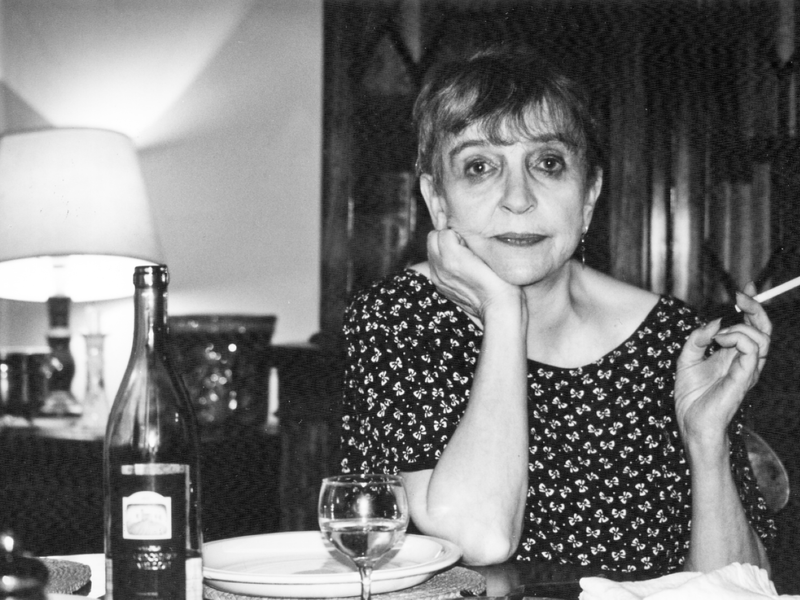
When she died in 2005 at the age of 72, Anna Haycraft, the author who published under the name Alice Thomas Ellis, was a celebrated writer in Great Britain. While working at Duckworth Publishers(which her husband owned), she produced a dozen novels, a collection of short stories, a cookbook, volumes…

by Peter LeithartJuly 9, 2014
523501ldsdl
History

Postmodernism and Me

Some have suggested recently that my "project" is postmodern. To clarify my views on postmodernism, I'm re-posting something I wrote in 2005, with a few modifications. For a fuller discussion, you can check out my Solomon among the Postmoderns (Canon, 2008). First, it is helpful to distinguish, as many writers…

by Peter LeithartJuly 8, 2014
306571rgsdl
Ezekiel

Holy City

Calling Jerusalem the "holy city" comes so naturally to Christians that it comes as something of a surprise to realize how infrequently the phrase is used in Scripture. Not only is Jerusalem rarely called holy, but in the Old Testament this classification is found only in texts that refer to…

by Peter LeithartJuly 3, 2014
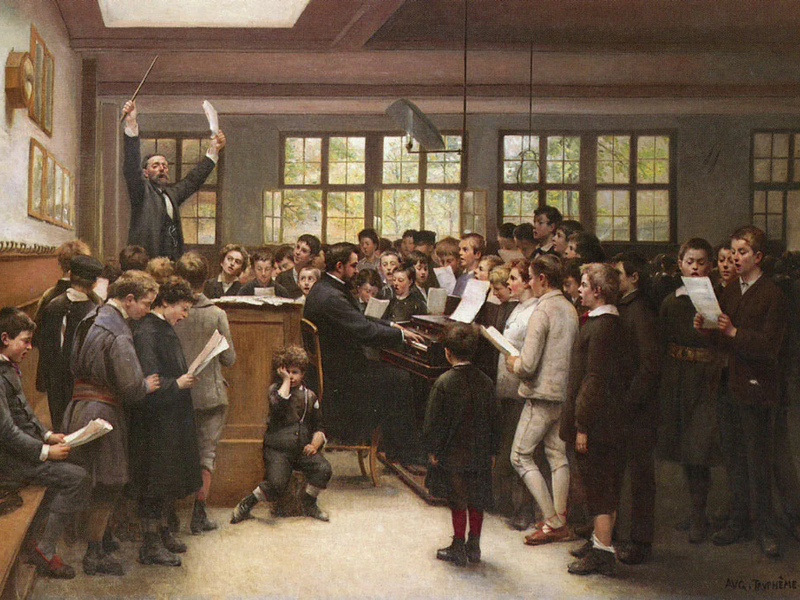
the-choir-lesson-auguste-joseph-trupheme-oil-painting
How to Worship

The Lame Can't Dance

Asking why the church doesn’t sing hymns or even why men don’t sing in church is a bit like lamenting over the lame man who can’t waltz on the dance floor. While it is a valid question, the more immediate question would seem to be, “why doesn’t the lame man…

by Jarrod RicheyJune 30, 2014
ben-white-w8qqn1pmqh0-unsplash
Heresy

Heretics in the Latter Days: The Theme of 1 Timothy

The theme of 1 Timothy is the distinction between the true children in the Household of God and false children who really belong to the household of Satan. This is seen in the fact that in the chiastic structure of the Epistle, heresy is the subject in the center (…

by Joseph NorrisJune 18, 2014

Showing page 172 of 309

See all
See all

Subsystemic Conflict

I rene Dingel's contribution to Lutheran Ecclesiastical Culture, 1550-1675 examines the role of controversy in the formation of Lutheran theology and practice. She examines several early intra-Lutheran controversies, among them the contest between the Gnesio-Lutherans led by Matthias Flacius and the “Philippists” led by Melanchthon. The former accused the latter…

February 7, 2017

Renewal and Temple Personnel

I n a 1991 article in the Journal of Biblical Literature , John H. Wright asks what role 1 Chronicles 23–27 play in the Chronicler's account. The chapters look like a digression. David delivers an exhortation to Solomon (1 Chronicles 23) and makes him king (23:1), but that is followed…

February 7, 2017

Ecumenism in the Sixteenth Century

D uring the early decades of the Reformation, there were efforts on all sides to reconcile Reformers and Catholics. Diarmaid MacCulloch ( Europe's House Divided ) describes the ecumenical efforts of the Archbishop of Cologne, Hermann von Wied. Von Wied was not a promising candidate to be a reform leader:…

February 6, 2017

Disenchantment and Anthropomorphism

A t the beginning of their Dialectic of Enlightenment , Max Horkheimer and Theodor Adorno define Enlightenment in terms of disenchantment of the world: “Enlightenment’s program was the disenchantment of the world. It wanted to dispel myths, to overthrow fantasy with knowledge. Bacon, ‘the father of experimental philosophy,' brought these…

February 3, 2017
Reformation

Rival Tidinesses

T he Reformation and the Catholic reaction to it caused a massive split within Western Christendom, and further divisions proliferated from that original split. As Diarmaid MacCulloch points out ( Reformation: Europe's House Divided 1490–1700 ), that is only one part of the story: “The Protestant communities, which for a…

February 3, 2017

Crackdown

“T he most influential work of Italian spirituality in these years, the Beneficio di Cristo (published 1543, and apparently selling in tens of thousands before translation into other European languages), illustrates this continuing shapelessness—it was itself a somewhat shapeless work. It was written by a Cassinese Benedictine monk Don Benedetto…

February 3, 2017

Showing page 209 of 2212

Browse by Category

In Medias Res

Your weekly digest for all things Theopolis.

Donate

Theopolis is nearly 100% donor-supported. Consider joining us on our mission.