Theopolis Logo

Writing

Explore our collection of theological essays, biblical studies, and reflections on faith and culture.

See all
tanner-mardis-xuxghzhibn4-unsplash-1-2
Biblical Studies

Tweets-turned-Notes on the Bible’s Chronology

Summary In what follows, I will consider the “year-stamps” employed in Scripture, i.e., statements of the form, “Such-and-such an event took place in the Xth year of Y.” In the process, I will suggest some ways in which the Biblical narrative might relate to events in the extra-Biblical world, though…

by James BejonJuly 16, 2019
durer-prodigal-son-2
Luke

Perspectives on the Prodigal, (Part 2)

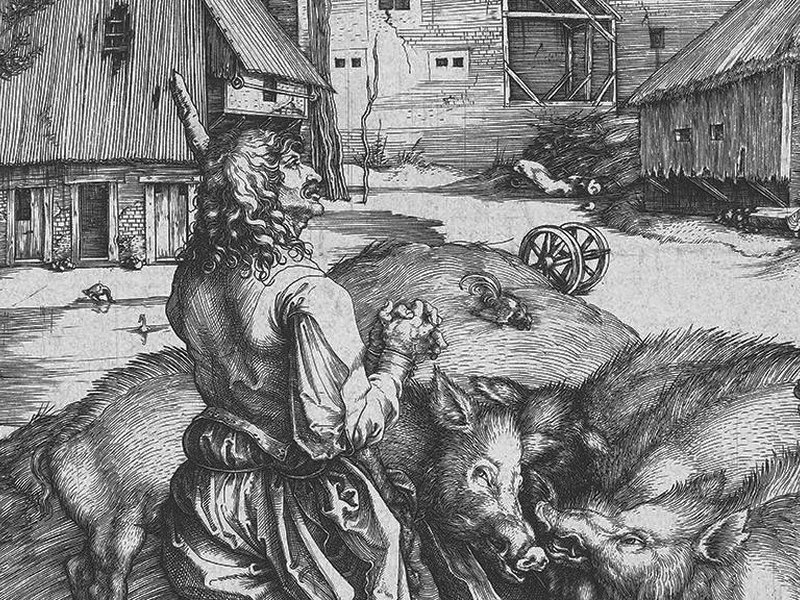
In the first essay on the parable of the Prodigal Son, I suggested that the problems commentators and others encounter in interpreting Jesus three-part parable are not accidental. These are not just problems in our ignorance of cultural background. They are intentional features of the stories —stories designed to poke…

by Ralph Allan SmithJuly 11, 2019
durer-prodigal-son-2
Luke

Perspectives on the Prodigal, (Part 1)

The story of the Prodigal Son is perhaps the most well-known story in the Bible. As others have observed, it may also be one of the most misunderstood. In two short essays, I will point out features of this story that are commonly neglected, aspects of Jesus’ parable that might…

by Ralph Allan SmithJuly 9, 2019
de-rijke-man-en-de-arme-lazarus-by-jacopo-da-ponte-16th-century
Luke

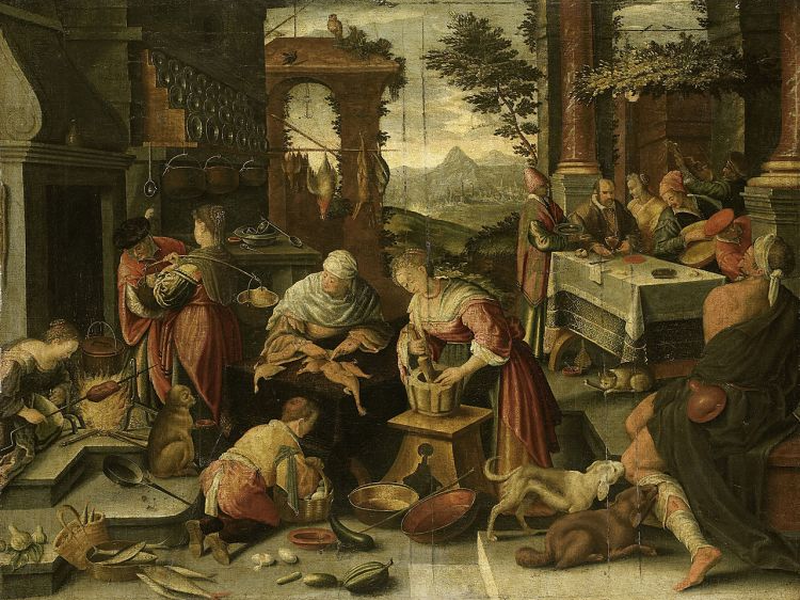
Lazarus and the Rich Man

The parable of Lazarus and the nameless rich man is not an independent story. It is part of a long context that begins in Luke 15:1, where Jesus is eating with tax collectors and sinners and the scribes and Pharisees grumble. In response to their hardheartedness, Jesus tells a three-part…

by Ralph Allan SmithJuly 4, 2019
aaron-burden-uynrnfdkjwg-unsplash
Luke

Everybody has Dropsy - Luke 14:1-24

The Bible is written so that even when a reader cannot pick up on what might be deeper or more detailed aspects of a text, there is virtually always a message to be heard. In the ancient world, where the “reader” of Scripture would likely be a church official facing…

by Ralph Allan SmithJuly 2, 2019
communion
Biblical Theology

Fruit Trees and Grain Plants

The distinction between garden (or vineyard) and field begins in Genesis 2. This relates to the ordering of the formless world. Plants of the field are contrasted with the garden planted by God in Genesis 2:5&8. Later on, under the Old Covenant the Israelites will be required to keep their…

by James B. JordanJune 27, 2019

Showing page 77 of 309

See all
See all

What We Learn from the Ancient Gods

Mary Lefkowitz ‘s Greek Gods, Human Lives: What We Can Learn from Myths was published last year, and has been a recent selection for the Conservative Book Club . Lefkowitz argues that though we no longer share ancient theology, we “still have much to learn from listening to what the…

April 13, 2004

Cool Stuff in Luke

Victor M. Wilson’s book, Divine Symmetries , studies literary and numerological patterns in the Bible. He has a chapter on Luke-Acts, and includes some fairly standard material about the structural parallels between the two books, but draws some interesting conclusions. Here is a reproduction of his page summarizing the parallel…

April 12, 2004

The Passion Once More

Tom Aitken reviews The Passion of the Christ in the March 26 issue of the London Times Literary Supplement , and says everything I would want to say about the weaknesses of the film, and more. Aitken goes off track a few times when he talks about the gospels themselves,…

April 12, 2004

Good Friday Homily

This was delivered at a joint Trinity-Christ Church Good Friday Service, April 9 2004. 1 Corinthians 2:8-9: We speak God?s wisdom among you in a mystery, the hidden wisdom, which God predestined before the ages to our glory; the wisdom which none of the rulers of this age had understood;…

April 10, 2004

Acquainted with Death

This article is reprinted from Tabletalk 25.4 (April 2001): 9-10, 54. Thanks to John Barach for typing it up for use here. Many today boast of near-death experiences. I do not. I have never had a near-death experience. But I am not intimidated by those who have, because I can…

April 8, 2004

Maundy Thursday

The Westminster Dictionary of Worship has this explanation for the name Maundy Thursday: “The title for Thursday in Holy Week derives through Old French mande from the Latin ‘mandatum novum,’ ‘a new commandment’ (John 13:34), associated with the ceremonial washing of feet, which is still continued in some token form…

April 8, 2004

Showing page 2101 of 2212

Browse by Category

In Medias Res

Your weekly digest for all things Theopolis.

Donate

Theopolis is nearly 100% donor-supported. Consider joining us on our mission.