Theopolis Logo

Writing

Explore our collection of theological essays, biblical studies, and reflections on faith and culture.

See all
702827ansdl
Psalms

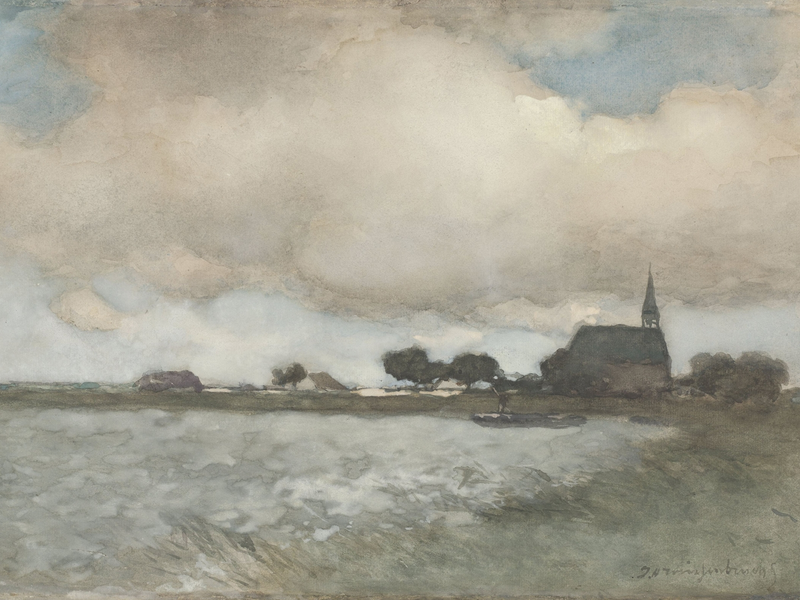
Reimagining Psalm 23

The Bible depicts Man’s transformation from beas t to priest in and through Jesus Christ. Two sets of people have their garments designed by God in the Torah: Adam and Eve and priests (of which the High Priest’s garments garner most attention). The first garment is beastly, while the second…

by Ben LoveladyApril 19, 2023
523501ldsdl
Church Government

The Rise and Dangers of Presbyterialism

I became the pastor of Westminster Bible Church in Bowling Green, Kentucky soon after completing my Ph.D. in church history. On paper, it was the ideal church for me. Even the name, I thought smacked of my preferences: the Westminster Confession with idealistic Biblicism. I didn’t know it had been,…

by John CarpenterApril 11, 2023
509477ldsdl
Luke

An Easter Meditation

Why do we believe in the resurrection of Jesus? It itself, it is utterly unbelievable, as the two disciples on the road to Emmaus also concluded (Luke 24:19-24). But why is it so unbelievable? Are there not many stories of a dead man or woman coming back to life? Stories…

by Ralph Allan SmithApril 9, 2023
screen-shot-2023-04-04-at-5-01-54-pm
Hope

Political Hope in the Negative World (Part 2)

In the first installment of this two-part essay, we provided a rough outline of a thick theological account of Christian hope. We concluded with mention of important critiques of such traditional views on hope, that by orienting Christians to place their ultimate hope in God and the future consummation of…

by James WoodApril 5, 2023
john-towner-3kv48ns4wuu-unsplash
Hope

Political Hope in the Negative World (Part 1)

Dare we hope in the midst of “ negative world ”? The idea of the “negative world” has recently served as a helpful framework for many to come to terms with the fact that Western societies (particularly the United States) are aggressively turning against their Christian roots and moral values.…

by James WoodMarch 28, 2023
frankie-lopez-yct5sucy6c0-unsplash
Biblical Studies

Luke’s Gospel of Seven

In his prologue, Luke tells us that his gospel history is an “orderly account” (1:3). Although generally chronological, time is not the only or the main organizing principle for his history. To argue for Luke’s main theme would take up too much space, but instead I want to explore one…

by Ryan HandermannMarch 24, 2023

Showing page 32 of 309

See all
See all

Preflood Generation (Luke 17:27)

Jesus describes the activities of the unsuspecting preflood generation by listing four activities (Lk 17:27): eating and drinking marrying and giving in marriage. He then describes the activities of the unsuspecting residents of Sodom by listing six activities (Lk 17:28): eating and drinking buying and selling planting and building. Several…

January 26, 2004
Media

James Welch

There’s an intriguing review of the work of James Welch in the January 26 Weekly Standard . Welch, who died last year, was a Montana-based poet and novelist, known as an “Indian poet” and “Indian novelist” for his focus on the lives and history of American Indians. The interest of…

January 26, 2004

Exhortation, January 25

Exhortation for January 25: Jesus concluded the parable of the “unjust steward” by saying, “He who is faithful in a very little thing is faithful also in much; and he who is unrighteous in a very little thing is unrighteous also in much.” Though Jesus’ words have a particular application…

January 25, 2004

Eucharistic Meditation, January 25

Eucharistic meditation for January 25: Acts 2:41-47 In the book of Acts, we see the early church carrying out Jesus’ instructions regarding the proper use of wealth. After the Spirit was poured out on Pentecost, and 3000 were saved, the disciples begin to sell their possessions in order to share…

January 25, 2004

Baptismal Meditation, January 25

Baptismal meditation for January 25: Matthew 18:1-6 This passage in Matthew is parallel to the first part of Matthew 17 in our sermon text. As I mentioned in the sermon, Jesus’ reference to “little ones” in Luke 17 is not referring to little children, but to lowly people like Lazarus.…

January 25, 2004

Civilization and Orifices

Becoming civilized is a matter of gaining control over the body, and this bodily control is largely centered, as Mary Douglas recognized, on orifices. Infants have no control over their sphincters: They can’t hold urine or faeces, they fart and burp at inappropriate moments, they regurgitate milk and don’t care…

January 25, 2004

Showing page 2132 of 2212

Browse by Category

In Medias Res

Your weekly digest for all things Theopolis.

Donate

Theopolis is nearly 100% donor-supported. Consider joining us on our mission.