Theopolis Logo

Writing

Explore our collection of theological essays, biblical studies, and reflections on faith and culture.

See all
e99a9334
Advent

Stretching Christmas

For many people Christmas comes on December 25 and is over December 26. The tree is taken down along with the lights and the other decorations, and everyone begins setting the house in order for the new year. No more Christmas hymns. No more celebrations (well, until New Year’s Eve).…

by Steve WilkinsDecember 24, 2016
ascension
Advent

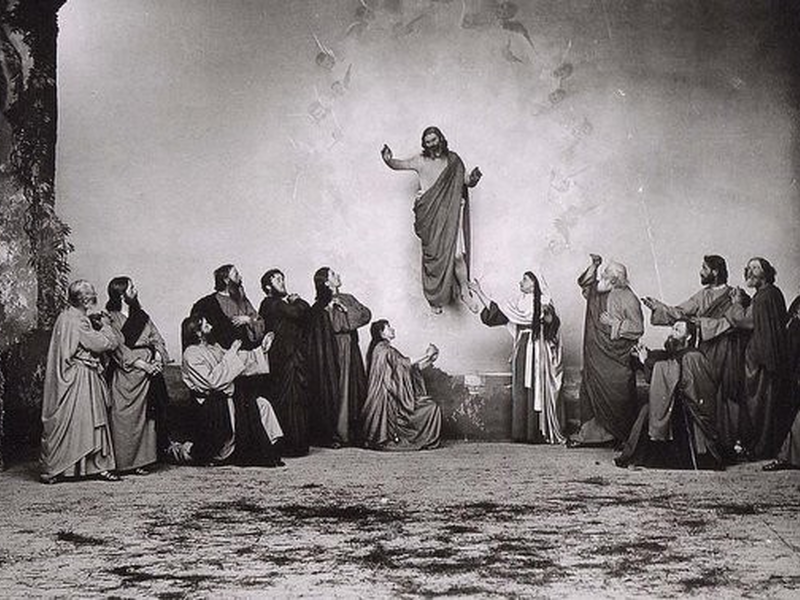
Ascension and Incarnation

The Ascension and the Incarnation should not be disconnected in our Christmas thinking or celebrations. As N.T. Wright notes, the ascension is "a central and vital feature without which all sorts of other things start to go demonstrably wrong. . . . where the ascension has been ignored or misunderstood,…

by Roy AtwoodDecember 23, 2016
nativity-rembrandt
Advent

Christmas Light

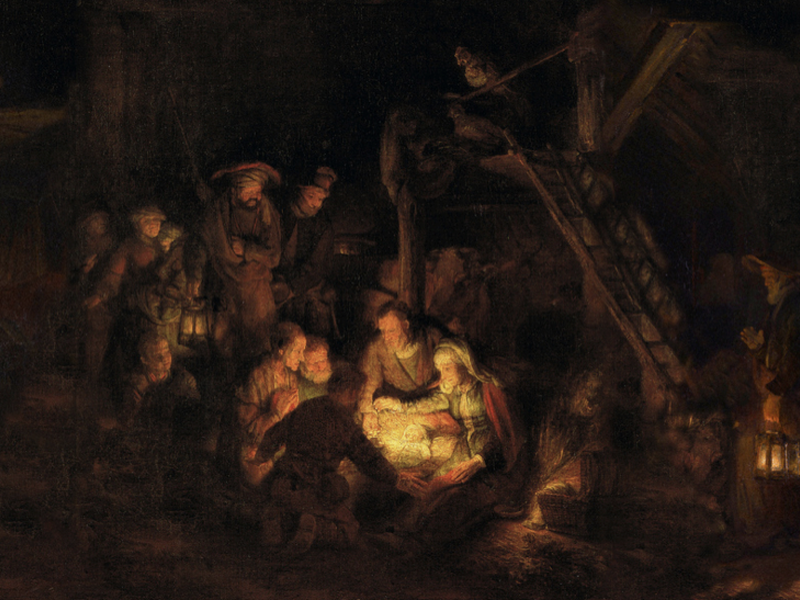
“In the Word was life, and the life was the light of men. And the light shines in the darkness.” Thus John describes the incarnation of the Son. He comes as the living and life-giving light of the world. That’s good news. In the beginning, God spoke and light shone…

by Peter LeithartDecember 23, 2016
nativity-chagall
Advent

The Spirit of Christmas

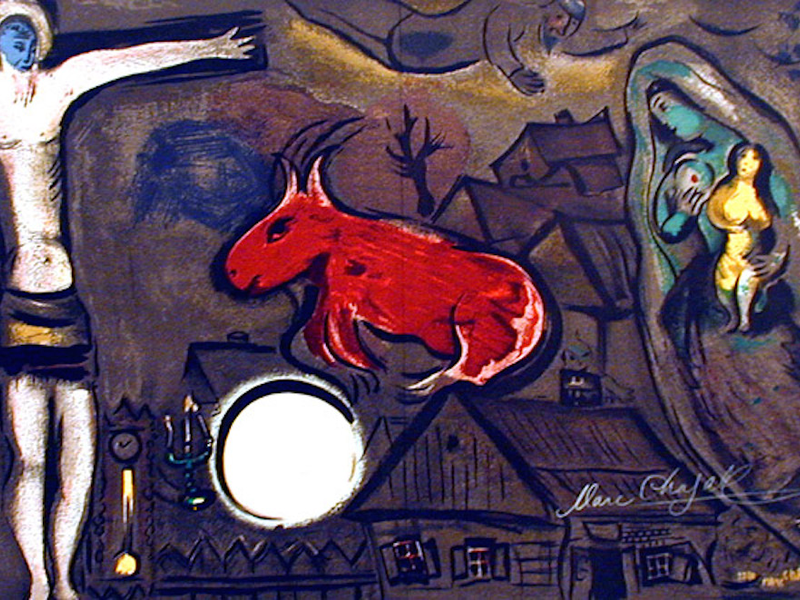
Christmas is all about Jesus. The angels announce Jesus’ birth, shepherds and wise men come to see Jesus, Herod wants to kill Jesus. We occasionally think of the Father who sent the Son, but we keep returning to the Son made flesh in Bethlehem’s manger. Meanwhile, as always, the Spirit…

by Peter LeithartDecember 22, 2016
nativity
Advent

The Humility of God

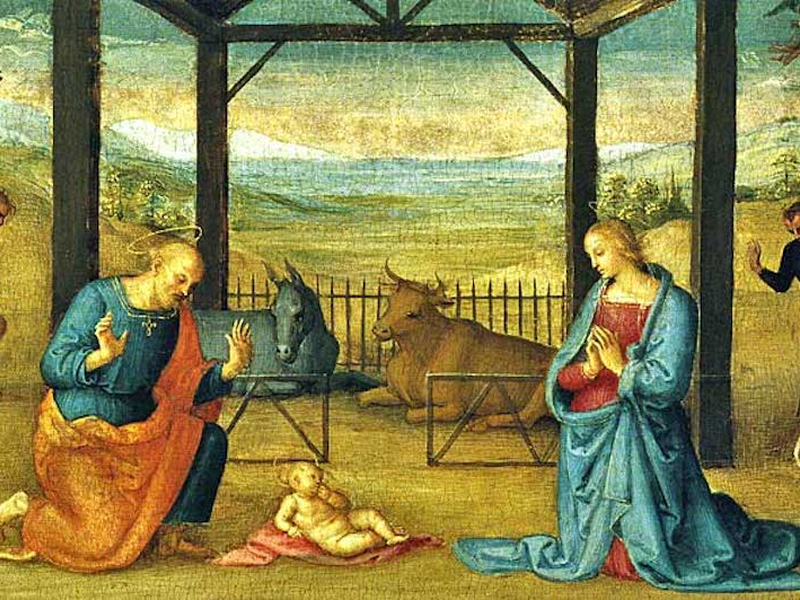
Christmas is about many things, but one of the chief things revealed in the gospel of Christmas is the humility of God. We don't often think of humility as an attribute of God. If God is glorious and exalted, we think, He must be haughty and proud and self-centered. We…

by Peter LeithartDecember 21, 2016
screenshot-2025-12-15-at-8-35-45-am
Advent

Advent of Unity

John famously begins his Gospel with a piece of theology: “In the beginning was the Word, and the Word was with God, and the Word was God.” Matthew starts with a genealogy. John celebrates Advent with a hymn, Matthew with a list. For John, Jesus is the Word of creation…

by Peter LeithartDecember 20, 2016

Showing page 120 of 309

See all
See all

Shepherd of Israel

1 Chronicles 11–12 form a unit, framed by references to David’s coronation ceremony at Hebron: A. Gathering at Hebron, conquest of Jerusalem, 11:1–10 B. David’s followers while a fugitive, 11:11–47 B'. David’s host at Ziklag, 12:1–22 A’. Coronation festival at Hebron, 12:23–40 11:1-10 is itself framed by references to “all…

October 25, 2016
Reformational Catholicism

Reformational Catholicism, A Wish-List

I n a 2014 piece published in First Things , I offered a “wish list” for Protestant churches, a checklist for a future catholic Protestantism. The wish list doesn't cover everything. It doesn't mention those things that Protestants, especially Evangelicals, already do, often exceedingly well, things like missions and evangelism…

October 24, 2016

Lust Made Law

D ante is moving through the circle of the lustful (Comedy, Canto 5) and sees a host of classical lovers. Among them is Semiramis, less famous than Dido or Cleopatra, but an exceedingly important illustration of how lust misshapes language and law. Rodney Payton explains ( A Modern Reader’s Guide…

October 21, 2016

Incontinence, Malice, Bestiality

E xplaining the moral structure of hell in Canto 11 of Dante’s Comedy , Virgil lays out three general categories of sin: incontinence, malice, and mad bestiality (lines 83-4). That’s not quite what we expect, or what most commentators see. It seems more like incontinence, violence, and fraud. Incontinent sins…

October 21, 2016

Infernal Baptism

R odney Payton ( Modern Reader’s Guide to Dante’s Inferno , 88–89) observes that “Dante’s vocabulary is rich in words denoting water,” including “the Italian words for water, river, little river, bog, marsh, stream, pond, slough, fount, and waves, at lest. In many cases the nouns are modified by adjectives…

October 21, 2016
Shakespeare

Antidote to Sadness

A ntonio of Venice is inexplicable sad. So is Portia of Belmont, her “little body . . . aweary of this great world” ( Merchant of Venice 2.1). Antonio and Portia have all that they could want. They aren’t anxious about money; neither is pining for love. Why so sad?…

October 21, 2016

Showing page 240 of 2212

Browse by Category

In Medias Res

Your weekly digest for all things Theopolis.

Donate

Theopolis is nearly 100% donor-supported. Consider joining us on our mission.