
Theopolis Logo

Writing

Explore our collection of theological essays, biblical studies, and reflections on faith and culture.

See all
cloister

Gatekeepers

1 Chronicles 9:1 seems to bring the genealogies of 1 Chronicles to an end. The Chronicler has recorded the genealogy of the human race from Adam, focusing on the descendants of Abraham through Jacob. Summing it all up, he says, “So all Israel was enrolled by genealogies; and behold, they…

by Peter LeithartJune 21, 2016
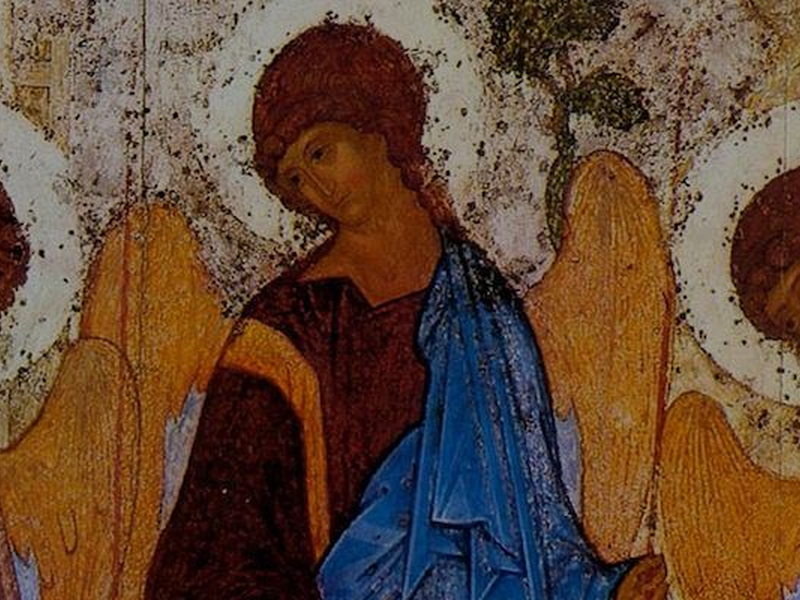
trinity-1-2
Trinity

Are the Divine Persons Persons?

The “personalist” understanding of the Trinity, articulated most influentially in the work of John Zizioulas, has fallen on hard times. Recent scholars have attacked Zizioulas’s idea that Cappadocian Trinitarianism represented an ontological revolution, hammering on the distinction between divine and human personhood. Michel Barnes’s conclusion is the most drastic of…

by Peter LeithartJune 16, 2016
img_4660-2
Architecture

On Biblical Theology

Biblical Theology is often defined as the historical unfolding of God’s revelation, or of God’s revelation and of the history of his covenantal redemption and transformation of humanity and the world. In practice, Biblical Theology is usually broader than this, and also includes the study of literary structure and of…

by James B. JordanJune 14, 2016
laughing_statue_by_xxbobbiie-d5f0meh-2
Humor

Wise Laughter

We are made to be happy. Created to enter into the eternal joy of God, our whole being inclines to that end, but the fallen world has put forth barriers and by our own sin we bar ourselves from that endless delight, and death blinds us to that reality. Yet…

by Remy WilkinsJune 7, 2016
img_7664
Liturgy

Why Theopolis? Take Two

At the end of Revelation, John sees the heavenly city descending to earth. The city shines with the brilliance of God's glory, which lightens the nations, so that kings bring their glory to the city. This is not a vision of the final new heaven and new earth. It's a…

by Peter LeithartJune 2, 2016
trinity-1-2
Attributes of God

How Can We Talk About God?

“No one has ever seen God,” writes John (John 1:18). If this is the case, then how can we speak about God? Some people say we actually cannot. Or at least we cannot speak about God positively, i.e. who He is. We can only say who or what God is…

by Bogumil JarmulakMay 31, 2016

Showing page 130 of 309

See all
See all

The Beast

I n an 1881 article , F.W. Farrar examined the case for Nero as the sea beast of Revelation 13. Many contemporary scholars dismiss this because they believe that Revelation was written decades after Nero. Farrar makes a circumstantial and exegetical case for the identification, and in the process provides…

August 23, 2016

It Takes A City

I n a 1977 Daedalus article on “ The Family and the City ,” French historian Philippe Aries argued that “the real roots of the present domestic crisis lie not in our families, but in our cities.” As cities “deterioriated” and urban culture weakened, “the omnipotent, omnipresent family took upon…

August 23, 2016

Born in Zion

P salm 87 is a hymn to Zion. The name “Zion” occurs four times, and the Psalm declares Yahweh's love for Zion (v. 1), the glory of Zion as city of God (v. 2), the joy that fills Zion (v. 6). It could be a “nationalistic” hymn to Israel's ancient…

August 22, 2016

Purity System

I n her contribution to The Peace of God , Amy Remensnyder examines the eleventh-century crackdown on simony, clerical marriage and unchastity, and the clergy's involvement in war. These were characterized as pollutions of the clergy and the church, and the rules were framed as purity prohibitions. Gregory VII denounced…

August 19, 2016
American Religion

Nature's Nation

A mericans have often justified American order and American exceptionalism by invoking “the myth of nature,” write Robert Hughes and C. Leonard Allen in Illusions of Innocence (205). They “first employed this myth to justify freedom from tyranny. But they soon began equating nature with particular dimensions of national life…

August 19, 2016

Mary Douglas and Taboo

I n a review of Jacob Milgrom's Anchor Bible Leviticus commentary, Jonathan Klawans provides a helpful summary of the achievement of Mary Douglas's Purity and Danger : Against especially Robertson Smith and Frazer, Douglas argued that avoidance behaviors could no longer be dismissed as something inherently or distinctly primitive. Douglas…

August 19, 2016

Showing page 262 of 2212

Browse by Category

In Medias Res

Your weekly digest for all things Theopolis.

Donate

Theopolis is nearly 100% donor-supported. Consider joining us on our mission.