Theopolis Logo

Writing

Explore our collection of theological essays, biblical studies, and reflections on faith and culture.

See all
screenshot-2024-06-06-at-8-49-49-am
Biblical Theology

Incarnation, Church, & the New Heart

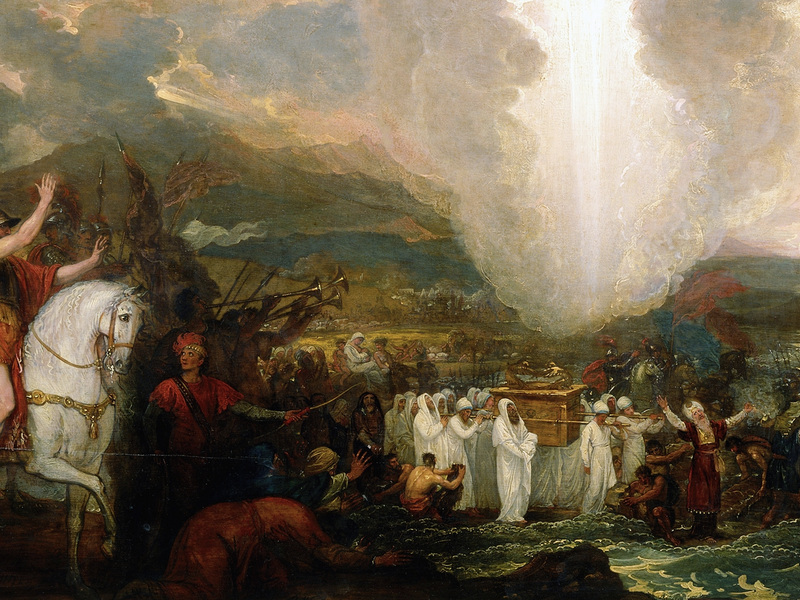
“And it shall be in those days when you are multiplied and increased in the land,” declares the Lord, “they shall say no more, ‘The Ark of the Covenant of the Lord.’ And it shall not come to mind, nor shall they remember it, nor shall they miss it, nor…

by Mark HorneJune 6, 2004
e99a4713
Grace

Grace & Justice in Unexpected Places

Elsewhere, I have argued that there is grace in the so-called covenant of works (see, e.g., my colloquium essay, “A Response to ‘The Biblical Plan of Salvation,’” in The Auburn Avenue Theology: Pros and Cons , edited by Calvin Beisner (pages 118-148). It may be equally surprising to find justice…

by Rich LuskJune 6, 2004
amjd-rdwan-erymmvvsy1y-unsplash-1
Theologia

Trust & Obey

Years ago, as a layman, I had the privilege of attending a Bible study led by a gifted teacher. His story was interesting: back when he was a student he had been severely sanctioned for affirming that one must repent in order to be saved, that one must trust Jesus…

by Mark HorneJune 5, 2004
daniel-born-yw_qx-i8ln4-unsplash
Theologia

The World is Built on Faith

Believing that God really exists Defining “faith” is sometimes made too complicated. The theologian, Louis Berkhof, for example, distinguishes “faith in general” from “faith in the religious sense and particularly saving faith.” Berkhof’s core definition of saving faith is not so bad. He says that it is “a certain conviction,…

by Mark HorneJune 5, 2004
ben-white-qdy9ahp0mto-unsplash
Apostasy

The Children of Christians Are Christians

It is generally acknowledged that when Paul wrote letters to churches, he expected his letters to be read in the worship service to the congregation. It is interesting, then, that when Paul wrote letters to a congregation he could feel free to address children and tell them to obey their…

by Mark HorneJune 5, 2004
24542-cropped-john-calvin
Ecclesiology

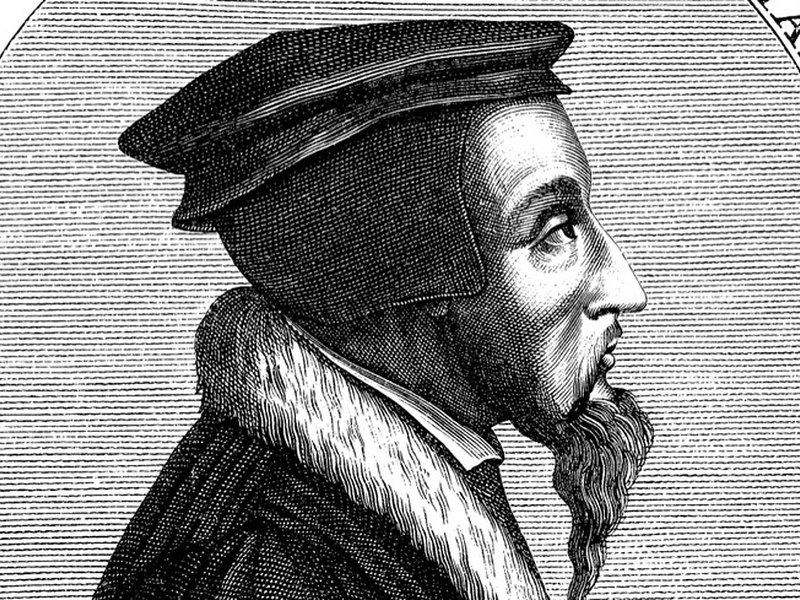
Calvin on the Pastor and Community

Book 4 of Calvin’s Institutes of the Christian Religion is a classic work of ecclesiology. This book is the longest section of the Institutes , showing Calvin’s deep interest in and love for the church. Among its many salutary features is a full scale exposition of those ecclesiastical leaders Calvin…

by Rich LuskJune 5, 2004

Showing page 224 of 309

See all
See all

Jacob Have I Loved

W illiam Johnstone points out in the first volume of his commentary on 1 & 2 Chronicles that the Chronicler's (C) list of the kings of Edom oddly repeats the phrase “then king so-and-so died and there reigned in his place” seven times. In part, this places greater stress on…

June 23, 2016

Jesus the Teacher

I f not unique, Robert Banks's Reenvisioning Theological Education is a rarity among studies of theological education in the amount of attention he devotes to biblical models of education and training. In reviewing recent literature on efforts to rethink seminary education, he notes again and again that little attention is…

June 23, 2016

Fulfilling Paganism

R obert Pogue Harrison ( The Dominion of the Dead ) spends several pages on Walter Pater's novel, Marius the Epicurean . A deathbed convert to Christianity, Marius is struck in his first encounter with the church by the continuities between Christianity and the oldest of Roman religions, the religion…

June 22, 2016

Ancient Memory

R emember the poor,” Paul told the Galatians. But what did that mean? Peter Brown ( The Ransom of the Soul: Afterlife and Wealth in Early Western Christianity , 39-40) explains that “For early Christians, as for many other ancient persons, memory was far more than a passive storage space.…

June 22, 2016

Attention Deficit

A ccording to Lily Gurton-Wachter's Watchwords: Romanticism and the Poetics of Attention , “the first documentation of the disorder we now call Attention Deficit Hyperactivity Disorder” is found in “a medical text published in London in 1798.” Scottish physician Alexander Crichton described the “morbid alterations to which attention is subject”…

June 22, 2016

Can An Architect Save Us?

R obert Pogue Harrison calls the twentieth century “the fitful and prolonged continuation of a process that began in earnest a century earlier: the end of the Neolithic era” ( Dominion of the Dead , 31). One might think that we left the Neolithic a long time ago, but Harrison…

June 21, 2016

Showing page 276 of 2212

Browse by Category

In Medias Res

Your weekly digest for all things Theopolis.

Donate

Theopolis is nearly 100% donor-supported. Consider joining us on our mission.