Theopolis Logo

Writing

Explore our collection of theological essays, biblical studies, and reflections on faith and culture.

See all
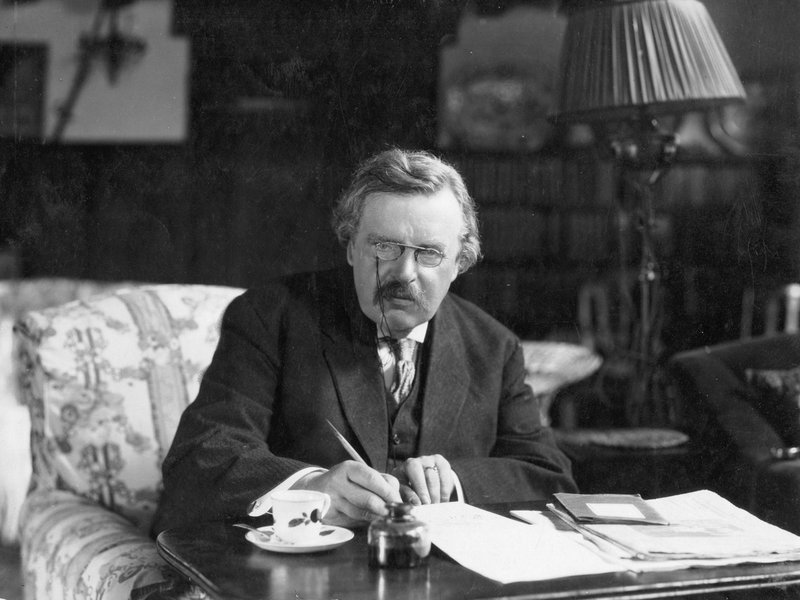
g-_k-_chesterton_at_work
Books

Interpreting "The Man Who Was Thursday"

I just finished re-reading G. K. Chesterton’s The Man Who Was Thursday . I have in the past had the temerity to say that I believe it to be the best novel of the 20th century. Be that as it may, I still maintain that it is at least one…

by Richard BledsoeJanuary 7, 2022
10779-istockgetty-images-plusredletterw
Hebrews

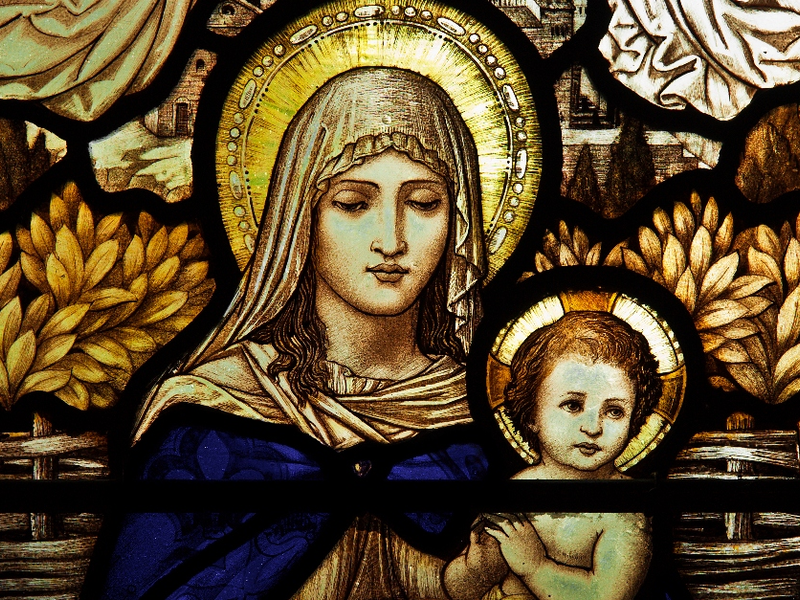
The Universality of Mary’s Wound

And Simeon blessed them and said to Mary his mother, “Behold, this child is set for the fall and rising of many in Israel, and for a sign that is spoken against and a sword will pierce through your own soul also, that thoughts out of many hearts may be…

by Garrett SoucyJanuary 4, 2022
heartierhymnals-stockimage
Music

An Argument for Heartier Hymnals

I was inspired to write this article after reading John Ahern’s The Case for Shorter Hymnals first published on Theopolis Institute’s website on November 16, 2021. Mr. Ahern and I are writing with different audiences and emphases in mind. I am thankful we both share a mutual desire to see…

by Jarrod RicheyDecember 30, 2021
tim-marshall-k2u71wv2ei4-unsplash-1
Biblical Studies

Image of God

If you’ve spent any time in the social-media galaxy of Christian cultural commentators, you have almost definitely run across the Latin phrase Imago Dei . It means image of God . Why they usually say it in Latin, I couldn’t tell you. We saw it in the wake of the…

by Daniel HoffmanDecember 28, 2021
annunciation
Advent

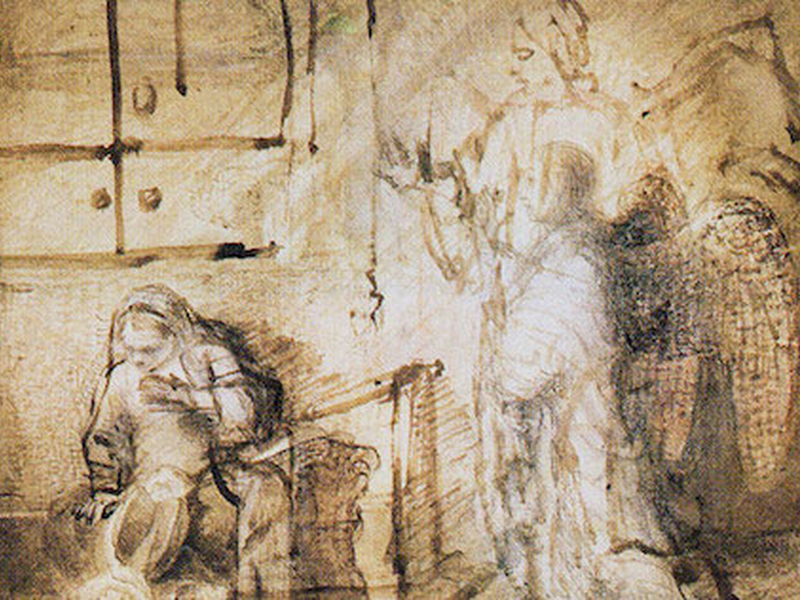
He Comes to Make His Blessings Known: "Son of David" and "Son of Abraham" in Matthew 1:1

The Gospel of Matthew—indeed, the New Testament—begins with a list of names, and that list of names is introduced by this heading: “The book of the generations of Jesus Christ, the son of David, the son of Abraham.” Why start like this? Why “the son of David” and “the son…

by Josh JensenDecember 23, 2021
49980-nicolas_poussin_-_the_judgment_of_solomon_-_wga18330-800w-tn
Biblical Studies

On Not Needing to Cut the Baby in Half

A blade is raised. A child wails. But the brow under the crown is untroubled. Solomon knows that the raising of the sword will reveal the true parent and the identity of the son. But how did he know this? Abraham’s willingness to sacrifice Isaac certainly bears some of the…

by Jonathan WhiteDecember 21, 2021

Showing page 48 of 309

See all
See all

Semper reformanda

In his contribution to Denominationalism , Winthrop Hudson suggests that one of the principles of English Independent ecclesiology was the refusal to “make our present judgment and practice a binding law unto ourselves for the future” (25). It's a stance based on a recognition of fallibility and proneness to sin.…

June 10, 2015

Where there's fire...?

The Greek kapnos (“smoke”) appears twelve times in Revelation. Hold that number, because it might be significant. The twelve uses are grouped into six scenes, alternating between smoke having to do with the worship and glory of God and smoke from hell or hell's allies: A. Smoke of incense, 8:4…

June 9, 2015

On Subjects and Objects

“I believe in subjects and objects,” writes David Martin at the outset of his Future of Christianity (4). He illustrates with a sociological example: He believes in “religious visions of the world to come and the objective status of the dynamics of social and political action.” Martin intends to resist…

June 9, 2015

Notes Toward a Johannine Theory of Labor

Jesus tells His disciples that they are being sent into a field to harvest where they had not sown or labored. “One sows, and another reaps” (John 4:35-38). It's a principle of ministry: Ministry starts in the middle. Even in a fresh mission field, the missionary doesn't enter a place…

June 9, 2015

Sources of Schism

In a study of American Protestant schisms between 1890 and 1990, John Sutten and Mark Chaves claim that churches don't divide for purely doctrinal reasons, but rather “in response to attempts by denominational elites to achieve organizational consolidation” (171). The 1848 schism within the Plymouth Brethren, for instance, was about…

June 9, 2015

Owen and Mather on Union

In an essay on “Rules of Walking in Fellowship,” John Owen claimed that “Union is the main aim and most proper fruit of love ; neither is there any thing or duty of the saints in the gospel pressed with more earnestness and vehemency of exhortation than this.” For Owen,…

June 8, 2015

Showing page 415 of 2212

Browse by Category

In Medias Res

Your weekly digest for all things Theopolis.

Donate

Theopolis is nearly 100% donor-supported. Consider joining us on our mission.