Theopolis Logo

Writing

Explore our collection of theological essays, biblical studies, and reflections on faith and culture.

See all
paul-2
Romans

Notes on Scary Stuff in Romans 9

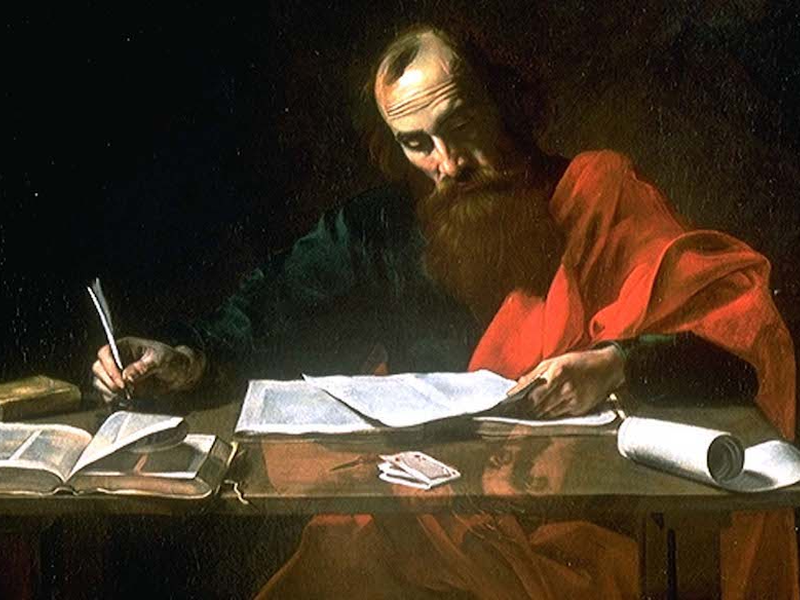
What shall we say then? Is there injustice on God’s part? By no means! For he says to Moses, “I will have mercy on whom I have mercy, and I will have compassion on whom I have compassion.” So then it depends not on human will or exertion, but on…

by Mark HorneFebruary 5, 2015
lunch-counter
American Politics

Covenants of Exclusion

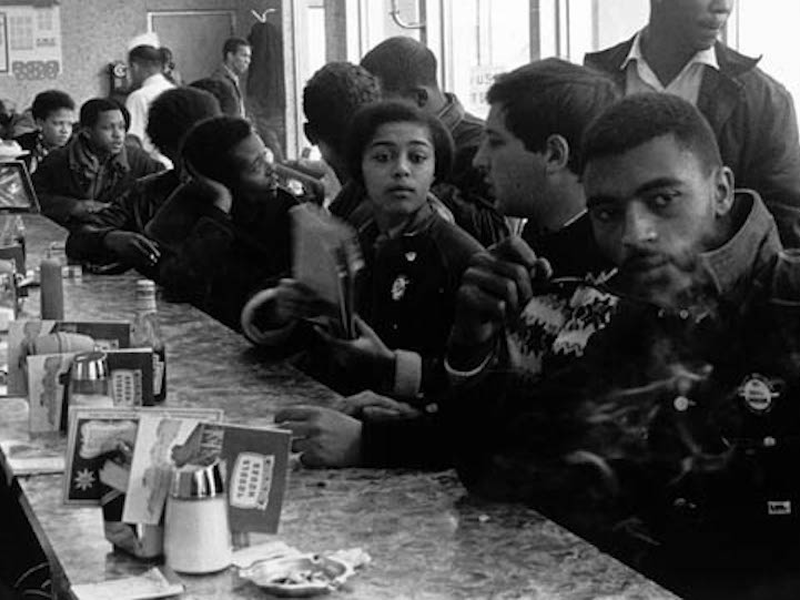
A hundred years ago, William Warley signed a contract to buy a house in Louisville, Kentucky from Charles Buchanan, a white man. Before closing the sale, Warley, who was black, learned that the lot was subject to a city ordinance barring blacks from occupying the premises if most of the…

by Brendan O'DonnellFebruary 3, 2015
shakespeare-2
Literature

The Bard and the Book

I concluded the first essay on this topic by saying that I would introduce three books about Shakespeare and the Bible, but I decided to introduce four instead. The three books become four are: Naseeb Shaheen, Biblical References in Shakespeare’s Plays (London: Associated University Presses, 1999) ; Hannibal Hamlin, The…

by Ralph Allan SmithJanuary 29, 2015
augustine-2
Augustine

Augustine on Pagan Virtue

My children attend a classical Christian school, situated in the independent “free church” evangelical tradition. Over the past few years they have been growing in their acquaintance with the world of Homer, Plato, Virgil, and Livy. They enjoy it, and I envy it. The school is a great school. My…

by Gerald HiestandJanuary 27, 2015
prodigal-son
Atonement

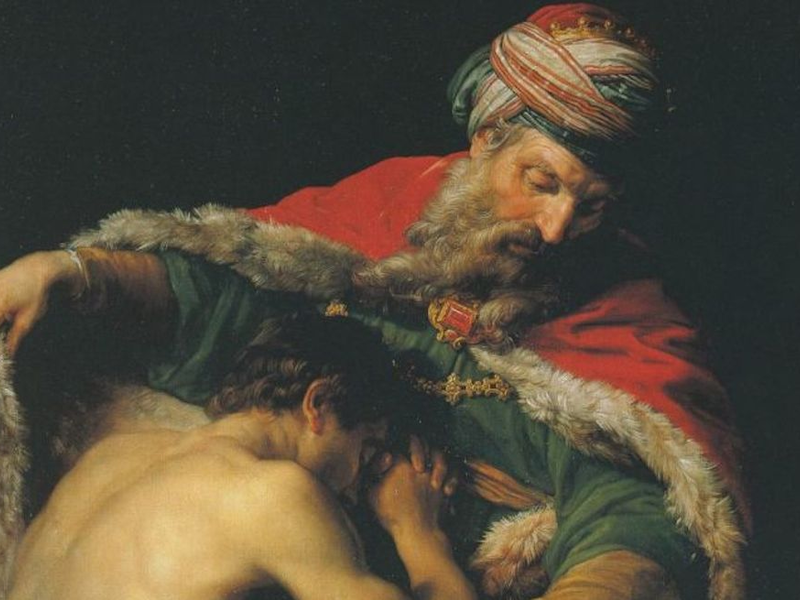
The Prodigal and the Cross

The Prodigal Son parable (Luke 15) has been a favorite of liberal theologians for a couple of centuries. It seems to be a parable designed for liberal sensibilities: An indulgent, accepting Father; forgiveness extended without a cross; a surly older brother who might represent the "conservative" face of religion who…

by Peter LeithartJanuary 22, 2015
sky-from-bridge
Ascension

Underground Man, Ascended Man

“I want now to tell you, gentlemen, whether you care to hear it or not, why I could not even become an insect. I tell you solemnly, that I have many times tried to become an insect. But I was not equal even to that. I swear, gentlemen, that to…

by Richard BledsoeJanuary 20, 2015

Showing page 161 of 309

See all
See all

Economics and Work

Modernity, especially as theorized in modern economics, treats work as "instrumental to the acquisition of goods" (Stephen Marglin, The Dismal Science , 44). Modernity "closes off thinking of hard work as something other than drudgery" (43). As a counterpoint, Marglin calls attention to work in Amish communities: "In physical terms,…

March 23, 2018

Greater Father?

"The Father is greater than I," says Jesus (John 14:28). Eunomius uses this to prove the ontological interiority of the Son. Basil of Caesarea rejects that reading, of course. But his way of rejecting it is worth attending to. He doesn't claim that Jesus is talking about His inferiority as…

March 23, 2018

Secularization Theory As Contestant

Ian Hunter argues that "secularization" as "transition from divine reverencing to rational autonomy" didn't happen during the centuries after Reformation. Confessional Christianity didn't disappear but was more deeply entrenched during that time. "Secular" referred not to the imposition or incursion of rational atheism but to the formation of purely political…

March 22, 2018

Simplicity’s Not So Simple

Is God simple? Christian theologians from the Cappadocians to Aquinas and beyond said Yes. But we need to probe this consensus: Did they mean the same thing by saying Yes? Andrew Radde-Gallwitz says No ( Basil of Caesarea, Gregory of Nyssa, and the Transformation of Divine Simplicity ). What is…

March 22, 2018

Confessionalization v. Secularization

In a debunking paper on "secularization" and the "secular," Ian Hunter argues that "nobody in early modernity spoke of secularization in terms of a transition from divine reverencing to rational autonomy, but also that there is no evidence of such a transition taking place there and, further, that there is…

March 21, 2018

Disdain for Lesser Talent

Richard Spady's eye-opening piece in First Things examines the consequences that follow when economics becomes an ideology, that is, when economics "will­fully projects its own first principles on its subject matter and actively seeks, perhaps unconsciously, material changes to bring social realities into conformity with these first principles." He offers…

March 20, 2018

Showing page 84 of 2212

Browse by Category

In Medias Res

Your weekly digest for all things Theopolis.

Donate

Theopolis is nearly 100% donor-supported. Consider joining us on our mission.