Theopolis Logo

Writing

Explore our collection of theological essays, biblical studies, and reflections on faith and culture.

See all
cloister

Gatekeepers

1 Chronicles 9:1 seems to bring the genealogies of 1 Chronicles to an end. The Chronicler has recorded the genealogy of the human race from Adam, focusing on the descendants of Abraham through Jacob. Summing it all up, he says, “So all Israel was enrolled by genealogies; and behold, they…

by Peter LeithartJune 21, 2016
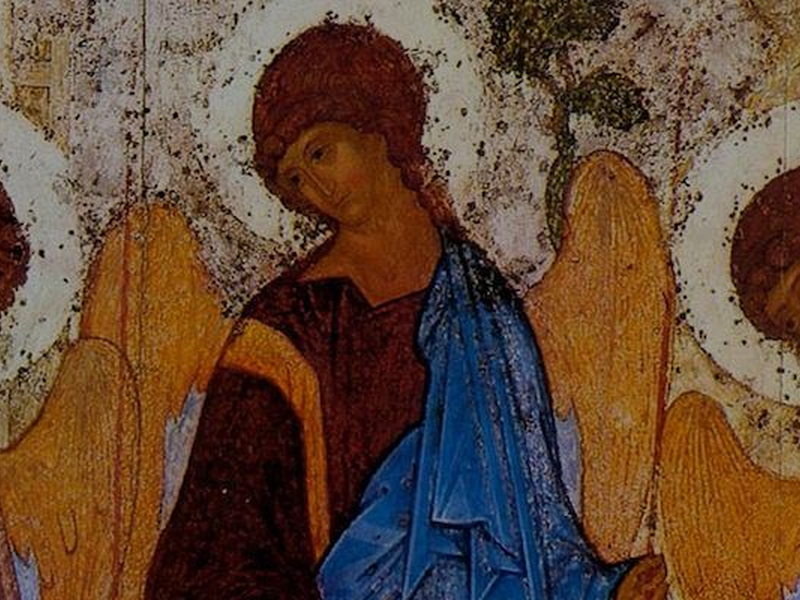
trinity-1-2
Trinity

Are the Divine Persons Persons?

The “personalist” understanding of the Trinity, articulated most influentially in the work of John Zizioulas, has fallen on hard times. Recent scholars have attacked Zizioulas’s idea that Cappadocian Trinitarianism represented an ontological revolution, hammering on the distinction between divine and human personhood. Michel Barnes’s conclusion is the most drastic of…

by Peter LeithartJune 16, 2016
img_4660-2
Architecture

On Biblical Theology

Biblical Theology is often defined as the historical unfolding of God’s revelation, or of God’s revelation and of the history of his covenantal redemption and transformation of humanity and the world. In practice, Biblical Theology is usually broader than this, and also includes the study of literary structure and of…

by James B. JordanJune 14, 2016
laughing_statue_by_xxbobbiie-d5f0meh-2
Humor

Wise Laughter

We are made to be happy. Created to enter into the eternal joy of God, our whole being inclines to that end, but the fallen world has put forth barriers and by our own sin we bar ourselves from that endless delight, and death blinds us to that reality. Yet…

by Remy WilkinsJune 7, 2016
img_7664
Liturgy

Why Theopolis? Take Two

At the end of Revelation, John sees the heavenly city descending to earth. The city shines with the brilliance of God's glory, which lightens the nations, so that kings bring their glory to the city. This is not a vision of the final new heaven and new earth. It's a…

by Peter LeithartJune 2, 2016
trinity-1-2
Attributes of God

How Can We Talk About God?

“No one has ever seen God,” writes John (John 1:18). If this is the case, then how can we speak about God? Some people say we actually cannot. Or at least we cannot speak about God positively, i.e. who He is. We can only say who or what God is…

by Bogumil JarmulakMay 31, 2016

Showing page 130 of 309

See all

Showing page 5 of 43

See all

Seizure of Speech

Seizing power doesn't make a revolution. When you seize speech, then you've got a chance at total revolution. Writing of the French Revolution, James Billington writes ( Fire in the Minds of Men , 34-5), " four-letter outbursts of the youthful demonstrators in the late 196os echoed the political shock…

October 27, 2017

Secular Sacred

You could find anything in the cafes of the Palais Royal in the last decades of the eighteenth century: "Distinctions of rank were obliterated, and men were free to exercise sexual as well as political freedom. In the course of a single visit, one might sip such libations of liberation…

October 27, 2017

Contraction of Theological Imagination

Toward the end of Corpus Mysticum , Henri de Lubac says that one of the most serious results of the shifts in Eucharistic theology he examines is "the devaluation of symbols." Augustine's entire theology was about "signs" and "things." In the late Middle Ages, "consideration of 'signs' would soon suffer…

October 27, 2017

Left and Right

"In the summer of 1789, absolute monarchy and aristocratic authority were overthrown forever in the most powerful kingdom," writes James Billington in Fire in the Minds of Men (20). If something happens, it must be possible. Just so: The French Revolution was "the hard fact that gave birth to the…

October 27, 2017

Lament to Joy

Josiah's death is a reverse exodus because it's first an inverted Passover. Zechariah describes a scene of mourning like the “mourning on the plain of Megiddo,” a reference to the death of Josiah (Zechariah 12:11). But the mourning Zechariah describes is also like the mourning of Egypt over their firstborn.…

October 26, 2017

American Revolution

Was the American Revolution a Revolution? Eugen Rosenstock-Huessy (ERH) concludes it was a “half-revolution” rather than a total revolution on the scale of the Russian, French, Puritan, Reformation, and Papal revolutions. Evaluating the revolutionary character of the American Revolution rests partly on the question of what “revolution” meant to the…

October 26, 2017

Showing page 129 of 2212

Browse by Category

In Medias Res

Your weekly digest for all things Theopolis.

Donate

Theopolis is nearly 100% donor-supported. Consider joining us on our mission.