Theopolis Logo

Writing

Explore our collection of theological essays, biblical studies, and reflections on faith and culture.

See all
cloister

Gatekeepers

1 Chronicles 9:1 seems to bring the genealogies of 1 Chronicles to an end. The Chronicler has recorded the genealogy of the human race from Adam, focusing on the descendants of Abraham through Jacob. Summing it all up, he says, “So all Israel was enrolled by genealogies; and behold, they…

by Peter LeithartJune 21, 2016
trinity-1-2
Trinity

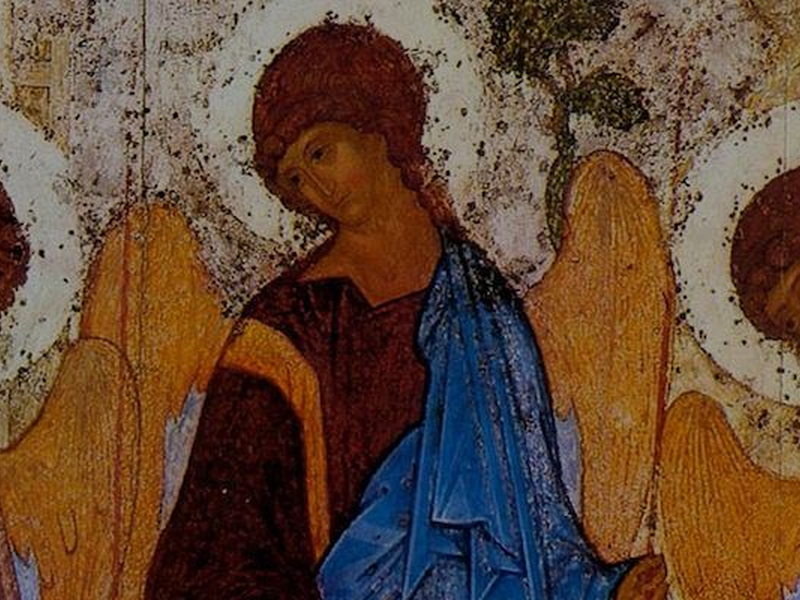
Are the Divine Persons Persons?

The “personalist” understanding of the Trinity, articulated most influentially in the work of John Zizioulas, has fallen on hard times. Recent scholars have attacked Zizioulas’s idea that Cappadocian Trinitarianism represented an ontological revolution, hammering on the distinction between divine and human personhood. Michel Barnes’s conclusion is the most drastic of…

by Peter LeithartJune 16, 2016
img_4660-2
Architecture

On Biblical Theology

Biblical Theology is often defined as the historical unfolding of God’s revelation, or of God’s revelation and of the history of his covenantal redemption and transformation of humanity and the world. In practice, Biblical Theology is usually broader than this, and also includes the study of literary structure and of…

by James B. JordanJune 14, 2016
laughing_statue_by_xxbobbiie-d5f0meh-2
Humor

Wise Laughter

We are made to be happy. Created to enter into the eternal joy of God, our whole being inclines to that end, but the fallen world has put forth barriers and by our own sin we bar ourselves from that endless delight, and death blinds us to that reality. Yet…

by Remy WilkinsJune 7, 2016
img_7664
Liturgy

Why Theopolis? Take Two

At the end of Revelation, John sees the heavenly city descending to earth. The city shines with the brilliance of God's glory, which lightens the nations, so that kings bring their glory to the city. This is not a vision of the final new heaven and new earth. It's a…

by Peter LeithartJune 2, 2016
trinity-1-2
Attributes of God

How Can We Talk About God?

“No one has ever seen God,” writes John (John 1:18). If this is the case, then how can we speak about God? Some people say we actually cannot. Or at least we cannot speak about God positively, i.e. who He is. We can only say who or what God is…

by Bogumil JarmulakMay 31, 2016

Showing page 130 of 309

See all

Showing page 5 of 43

See all
Jane Austen

Austen Updated

A t the New Yorker , Blythe Roberson is having fun imagining futuristic updates of Jane Austen's novels. Real-life efforts to update Austen aren't nearly as much fun. Paula Hollingsworth ends her The Spirituality of Jane Austen by summarizing the plots of the novels in the “Jane Austen Project,” a…

August 4, 2017

Royal Epistles

P aul writes letters. Letter-writing—or mail electronically composed and delivered—has become so commonplace that we don't immediately grasp the significance of Paul's activity. Noting the Old Testament background will shake us from our privatized assumptions about epistle-writing. There are two main words for “letter” in the Old Testament. The first,…

August 4, 2017

Reformed Landscape

F ew studies of the Reformation, writes Alexandra Walsham ( The Reformation of the Landscape ), “have considered how it affected attitudes and practices associated with the world of trees, woods, springs, rocky outcrops, caves, mountain peaks, and other striking topographical features” of Britain. Studies of early modern England “have…

August 4, 2017

Worship Wars

R itualism was a major issue in mid-nineteenth-century Anglicanism. Though inspired by the Tractarians, the ritualists went much further in elaborating the Anglican liturgy. As Peter Marsh puts it ( Victorian Church in Decline ), “For over thirty years the High Church clergy, however moderate, had been raising the standards…

August 4, 2017

Calvin, Liturgy, Art

J ohn Calvin isn't the first theologian who comes to mind when thinking about either liturgy or art, much less the combination of the two. W. David O. Taylor thinks that's unfortunate, and his recent Theater of God's Glory is an effort to rehabilitate Calvin as a resource for liturgical…

August 4, 2017

Blessed Bankruptcy

Boyd Hilton writes (in Age of Atonement ) about Evangelical “aetiology of business immorality” that emerges from 19th-century sermons, novels, and pamphlets: Once “fallen,” commercial man becomes a prey to materialism. His business absorbs too much of his life, and colours all his thoughts and actions, leaving no time for…

August 4, 2017

Showing page 155 of 2212

Browse by Category

In Medias Res

Your weekly digest for all things Theopolis.

Donate

Theopolis is nearly 100% donor-supported. Consider joining us on our mission.