Theopolis Logo

Writing

Explore our collection of theological essays, biblical studies, and reflections on faith and culture.

See all
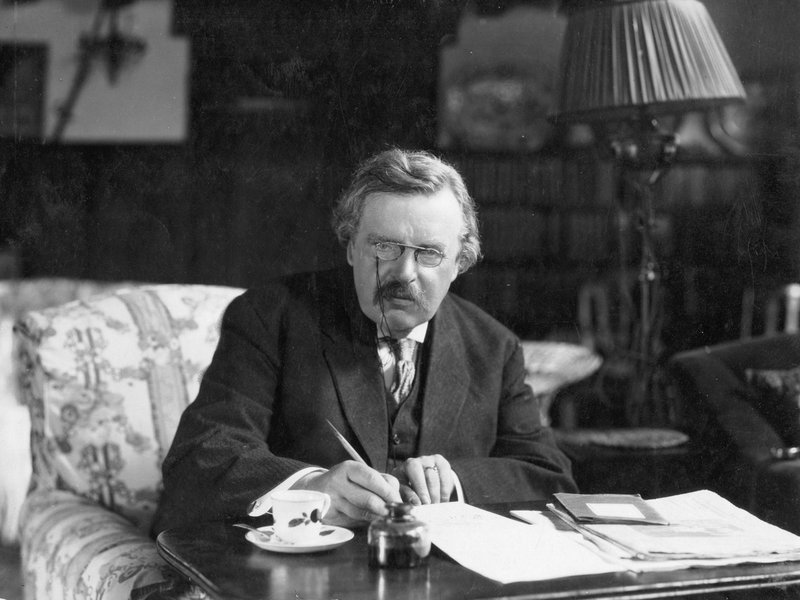
g-_k-_chesterton_at_work
Books

Interpreting "The Man Who Was Thursday"

I just finished re-reading G. K. Chesterton’s The Man Who Was Thursday . I have in the past had the temerity to say that I believe it to be the best novel of the 20th century. Be that as it may, I still maintain that it is at least one…

by Richard BledsoeJanuary 7, 2022
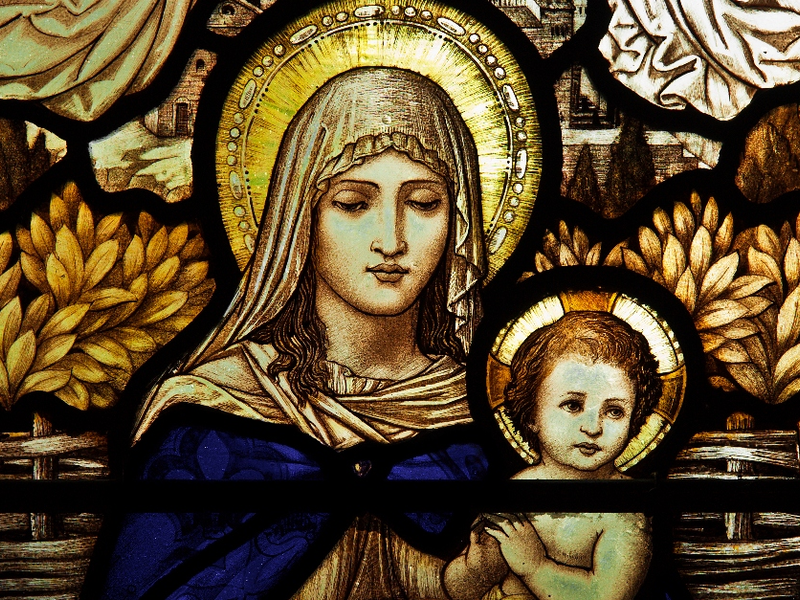
10779-istockgetty-images-plusredletterw
Hebrews

The Universality of Mary’s Wound

And Simeon blessed them and said to Mary his mother, “Behold, this child is set for the fall and rising of many in Israel, and for a sign that is spoken against and a sword will pierce through your own soul also, that thoughts out of many hearts may be…

by Garrett SoucyJanuary 4, 2022
heartierhymnals-stockimage
Music

An Argument for Heartier Hymnals

I was inspired to write this article after reading John Ahern’s The Case for Shorter Hymnals first published on Theopolis Institute’s website on November 16, 2021. Mr. Ahern and I are writing with different audiences and emphases in mind. I am thankful we both share a mutual desire to see…

by Jarrod RicheyDecember 30, 2021
tim-marshall-k2u71wv2ei4-unsplash-1
Biblical Studies

Image of God

If you’ve spent any time in the social-media galaxy of Christian cultural commentators, you have almost definitely run across the Latin phrase Imago Dei . It means image of God . Why they usually say it in Latin, I couldn’t tell you. We saw it in the wake of the…

by Daniel HoffmanDecember 28, 2021
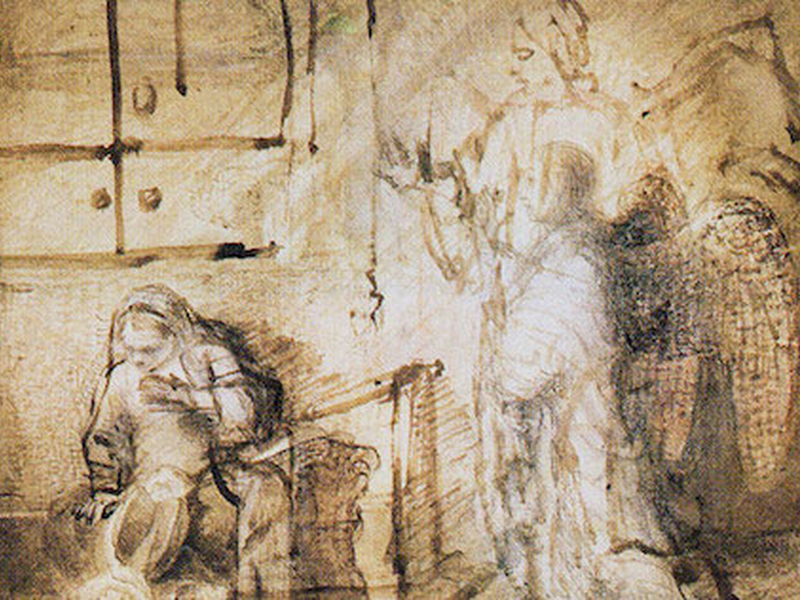
annunciation
Advent

He Comes to Make His Blessings Known: "Son of David" and "Son of Abraham" in Matthew 1:1

The Gospel of Matthew—indeed, the New Testament—begins with a list of names, and that list of names is introduced by this heading: “The book of the generations of Jesus Christ, the son of David, the son of Abraham.” Why start like this? Why “the son of David” and “the son…

by Josh JensenDecember 23, 2021
49980-nicolas_poussin_-_the_judgment_of_solomon_-_wga18330-800w-tn
Biblical Studies

On Not Needing to Cut the Baby in Half

A blade is raised. A child wails. But the brow under the crown is untroubled. Solomon knows that the raising of the sword will reveal the true parent and the identity of the son. But how did he know this? Abraham’s willingness to sacrifice Isaac certainly bears some of the…

by Jonathan WhiteDecember 21, 2021

Showing page 48 of 309

See all

Showing page 5 of 43

See all
Science

Post-Newtonian Darwininism

In a typically dense article in a volume of essays on William Desmond, Milbank suggests that both Darwin and 18th-century design theories were operating with similar post-Scotist and Newtonian notions of God’s relation to the world. He sees a quite direct analog between the development of Darwinian theory and Newtonian…

November 20, 2007
Philosophy

Milbank on Metaphysics, etc

Radical Orthodox theologians interacted with Process Theologians at an AAR session. Milbank gave an off the cuff response to the process theologians, starting with common interests among them, which he said were greater than he expected. Among them was their common resistance to the anti-metaphysical trends of modern philosophy, particularly…

November 20, 2007
History

Religious mobilizations

Charles Taylor, the 2007 Templeton Prize winner, gave an excellent, though unfortunately poorly miked, lecture at AAR. His theme was “religious mobilization,” which he introduced first by discussing the peculiar modern phenomenon of “political mobilization.” Political mobilization means activating passive political actors. As Taylor developed this notion, he said that…

November 19, 2007
Politics

God in Public

N. T. Wright has been getting heat for expressing his political opinions of late, so I wasn’t sure what to expect from his SBL address on “God in Public.” In the event, I found very little to disagree with, much to affirm heartily, and, as always with Wright, much to…

November 19, 2007

Standard sizes

Virginia Postrel has a characteristically informative and entertaining piece on standardized clothing sizes in the December issue of The Atlantic. Clothing sizing, she says, began in the mid-twentieth century when “the U.S. government established and maintained size guidelines, using data from about 16,500 women, including 6,500 members of the women’s…

November 19, 2007

Word and thing

Ezra Pound wrote, “The individual cannot think and communicate his thought, the governor and legislator cannot act effectively or frame his laws without words, and the solidity and validity of these words is in the care of the damned and despised literatti - when their very medium, the very essence…

November 19, 2007

Showing page 1604 of 2212

Browse by Category

In Medias Res

Your weekly digest for all things Theopolis.

Donate

Theopolis is nearly 100% donor-supported. Consider joining us on our mission.