Theopolis Logo

Writing

Explore our collection of theological essays, biblical studies, and reflections on faith and culture.

See all
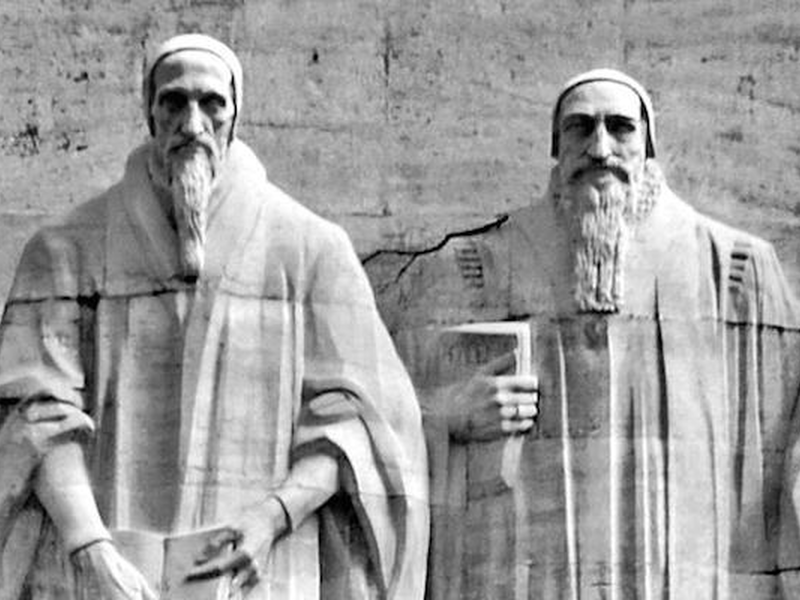
reformation-wall
Protestantism

More Anti-Catholic Than Thou

The “second Reformation” introduced Reformed liturgy and teaching into Lutheran Germany. This was seen by some as a continuation of the Reformation and a purgation of Catholic remnants. The effort to carry on “further reformation” led to disputes with Lutherans. As Bodo Nischan has put it, the hottest debate in…

by Peter LeithartMarch 28, 2017

bilbo
Literature

Bilbo: A Reformation Hero?

In J. R. R. Tolkien: Author of the Century , Tom Shippey observes that Bilbo is a member of the middle class, a bourgeois. Bilbo does not have any servants, but his hole is “the home of a member of the Victorian upper-middle class of Tolkien’s nineteenth-century youth, full of…

by Bogumil JarmulakMarch 23, 2017
cross-2
Isaiah

God In the Dock

Idolatry has deprived Israel of her senses. This was one of the early messages to Isaiah (Isaiah 6). Yahweh sent him out to a people who had been deprived of their senses because of their commitment to idols. They become like the idols they serve. They still have eyes, but…

by Peter LeithartMarch 21, 2017
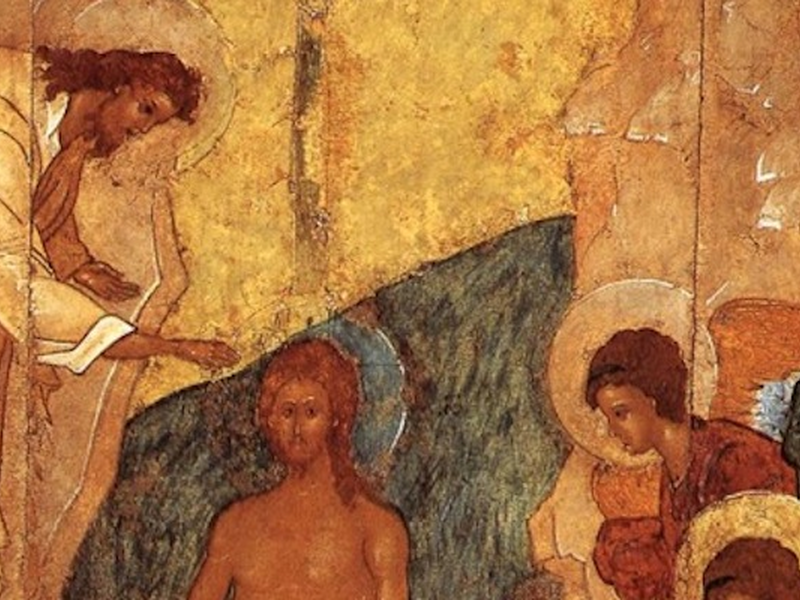
jesus-baptism
Trinity

Triune Personhood

In the current climate of Trinitarian discussion concerning personhood, it's good to reach back to David Bentley Hart's treatment of the subject in his wonderful Beauty of the Infinite . Hart addresses the dangers of misreading Rahner’s rule, namely, the danger of dissolving the ontological Trinity into the economic. In…

by Peter LeithartMarch 16, 2017
e99a9259
Certificate Program

Chris Kou Completes the Certificate Program

Chris Kou is the oldest son of Chinese immigrants. Chris and his brothers run a branding and marketing business, Imagineering, in the northwest suburbs of Chicago. In his spare time, he takes online courses from Reformed Theological Seminary, and aspires to be a pastor. Chris is also one of our…

by Peter LeithartMarch 15, 2017
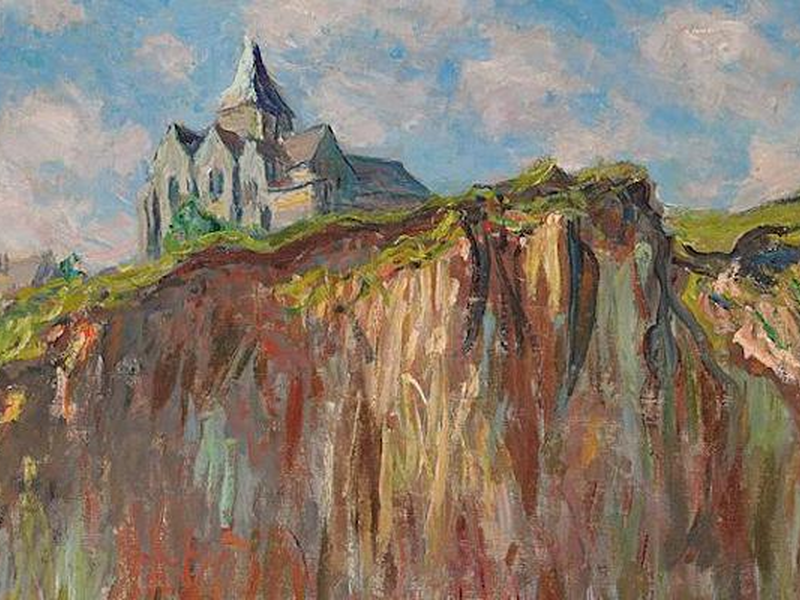
church-monet
Architecture

House of Living Stones

The following was delivered as the Solemn Charge and Exhortation to Theopolis students beginning the Easter term course on Architecture and Liturgical Space . As we will be reminded repeatedly throughout the week, the Bible has a lot to say about building and buildings. Long stretches of Exodus, Kings, Chronicles,…

by Peter LeithartMarch 14, 2017

Showing page 115 of 309

See all

Showing page 5 of 43

See all

Tale of Two Women

In Numbers 12, Miriam and Aaron object to Moses’ Cushite wife. Miriam becomes leprous, is excluded from the camp, and restored on the eighth day. That is to say: The Messiah’s Jewish sister objects to the Gentile bride, and is cast out of the camp, but then she is cleansed…

November 9, 2007

Sacrificial sequence

Hicks again: He organizes his discussion of the New Covenant fulfillment of the sacrificial system in the phrases “life surrendered,” “life transformed,” and “life shared.” Reconciliation is made on the basis of life surrendered, blood shed, but that’s not the end point of the reconciling sacrifice. This enables him to…

November 8, 2007

Burning flesh

FCN Hicks writes in his 1946 book on sacrifice that the burning of an animal on the altar was not destructive but transforming: “The offering is not destroyed but transformed, sublimated, etherealised, so that it can ascend in smoke to the heaven above, to the dwelling-place of God.” He cites…

November 8, 2007
Philosophy

Signs and domination

Only God, Augustine argues in his treatise on music, acts on rational souls directly, “per seipsum.” Human beings operate on one another’s souls through intervening bodies, that is, through the words and other signs. God has arranged the world this way, he says, as a check on human ambition and…

November 8, 2007

Signa data

Many translators and interpreters of Augustine’s de doctrina Christiana translate “signa data” as “conventional signs.” But there’s something to be said for taking the phrase literally (as some commentators do). The difference between naturalia and data, Augustine says, is that the latter occur by the will of a sign-user while…

November 7, 2007
History

Sixteenth-century exchanges

Shakespeare recognized that something new was in the offing, but the actual situation of England and Europe in the sixteenth and seventeenth centuries was far more complicated that Timon of Athens suggests. The gift-society to which Timon is attached was not being completely replaced, nor was the market the main…

November 7, 2007

Showing page 1609 of 2212

Browse by Category

In Medias Res

Your weekly digest for all things Theopolis.

Donate

Theopolis is nearly 100% donor-supported. Consider joining us on our mission.