Theopolis Logo

Writing

Explore our collection of theological essays, biblical studies, and reflections on faith and culture.

See all
screenshot-2024-10-15-at-10-54-38-am
Romans

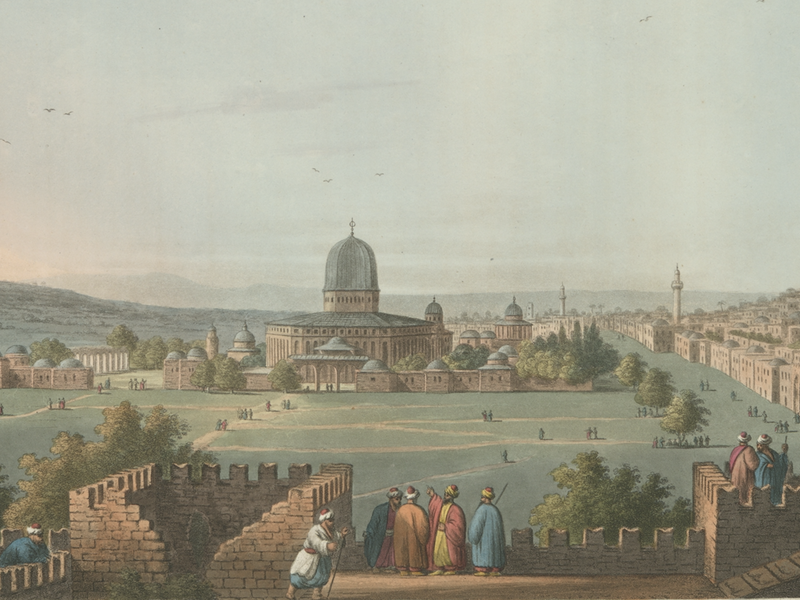
Robbing Temples

Paul writes to Jews, “You who abhor idols, do you rob temples?” (Romans 2:22b) The English translation “rob temples” makes readers think of pagan temples. There was only one Temple for Israel, so robbing more than one would indicate other temples are in view. And if the Jews wanted to…

by Mark HorneOctober 15, 2024
screenshot-2024-10-03-at-12-59-20-pm
Genesis

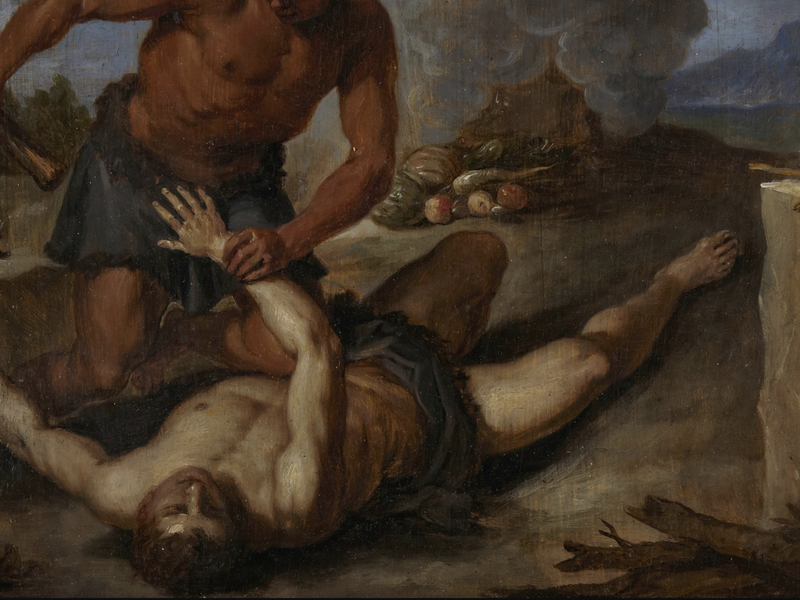
Regarding Abel’s Offering

Two offerings Humanity’s first vocation involves guarding and serving the trees that emerge from the ground (Genesis 2:15). God provides these trees to humanity for food. A serpent appears and tempts the couple to eat from a special forbidden tree, the tree of the knowledge of good and evil. Humanity…

by Scott FairbanksOctober 3, 2024
jeremy-thomas-e0ahdsenmdg-unsplash
Hermeneutics

The Trinity and Cross in Creation

At the outset of the Torah (as Christians understand it), a triune God creates the heavens and earth over the course of a seven-day week. Why? What’s the connection between the three and the seven? Could a triune God have created the world over any period of time he chose?…

by James BejonOctober 1, 2024
dan-edwards-sid-lmfxsdu-unsplash
Deuteronomy

Axe Heads and Parapets: Legal Edge Cases?

How relevant to the modern reader are the flying axe head of Deuteronomy 19:5 and the roof parapet of Deuteronomy 22:8? Indeed, how relevant were they to the daily lives of Israelites thirty-five hundred years ago? Suppose that accidental falls from rooftops were exceedingly uncommon in ancient Israel, or that…

by Josh JensenSeptember 24, 2024
matt-cramblett-fbg4owazcd8-unsplash
Political Theology

The Church Builds the World

1 For most of my life, the standing of the American church as a source of national social and political order was measured by reports from the front of the so-called “culture wars.” 2 Memory brings to mind battles over feminism and the ERA, so-called gay rights, the breakdown of…

by Gary YoungSeptember 17, 2024
sixteen-miles-out-al48tflf4e8-unsplash
Matthew

That He would be called a Nazarene

But when Herod died, behold, an angel of the Lord appeared in a dream to Joseph in Egypt, saying, ‘Rise, take the child and his mother and go to the land of Israel…’ And he went and lived in a city called Nazareth, so that what was spoken by the…

by Lyndon JostSeptember 10, 2024

Showing page 17 of 309

See all

Showing page 5 of 43

See all

Day of Midian

Isaiah 9 describes not only a dawn, but the dawn of victory. With the light comes a multiplication of the nation, a repopulation of the land, gladness like the gladness of harvest (v. 3). This gladness is the result of a deliverance, a new exodus that will deliver Israel from…

August 11, 2007

Dawn and darkness

Matthew says that Jesus’ residence in Capernaum fulfills the prophecy of Isaiah 9 about the dawning in the land of Zebulun and Naphtali. There are several aspects to this. 1) Isaiah 9 comes at the end of a prophecy concerning the Aramean crisis in Judah. Rezin of Aram and Pekah…

August 11, 2007

Promise of Zebulun

It’s no wonder that the land of Zebulun and Naphtali, the region of Galilee, was considered a place of darkness. Towns had been sold to the Gentile Hiram, and apparently pronounced worthless (1 Kings 9). This region was the first to go into exile (2 Kings 15:29), and the Assyrians…

August 11, 2007
Literature

Austen the Romantic?

Though Austen lived almost two decades into the nineteenth century, she is usually characterized as a writer of the eighteenth. Her aesthetic and tastes were set in stone by 1800 (when she was 25), and she was untouched by romanticism. Indeed, she is often read as an anti-Romantic writer. The…

August 11, 2007
Literature

Austen the Abolitionist?

Gabrielle White offers an abolitionist reading of Austen’s work, and of Emma specifically. Part of the evidence is circumstantial. Some of Austen’s best-loved writers favored not only the abolition of the slave trade (which happened in 1807) but also the abolition of chattel slavery in British colonies (which didn’t happen…

August 11, 2007

Darcy and Elizabeth

Ellen Belton points out that in the 1995 BBC production of Pride and Prejudice , “Elizabeth and Darcy (Colin Firth) are hardly ever frames together until well into the second half of the film, and when they are shown in the same shot, the effect is to emphasize the obstacles…

August 11, 2007

Showing page 1649 of 2212

Browse by Category

In Medias Res

Your weekly digest for all things Theopolis.

Donate

Theopolis is nearly 100% donor-supported. Consider joining us on our mission.