Theopolis Logo

Writing

Explore our collection of theological essays, biblical studies, and reflections on faith and culture.

See all
img_0166-2
Ecclesiology

The Changing Face of Reformed Theology

Reformed theology has changed. And there seems to be no going back. It was in the year 1978 that a tectonic shift in the underlying structure of Reformed theology began with the publication of a small book. The changes were not only systematic, but also systemic—affecting all aspects of it.…

by Mani MarprelateAugust 31, 2017

11-alt-right-logo-w710-h473-2x
American Culture

The Alt-Right Meme

Since the term, “alt-right,” is being tossed about in the national media and is the subject of moral concern (or perhaps, moral panic), it might be good to identify what we’re talking about or at least admit the limitations of using nicknames to describe cultural shifts and voter behavior. Until…

by Mark HorneAugust 29, 2017
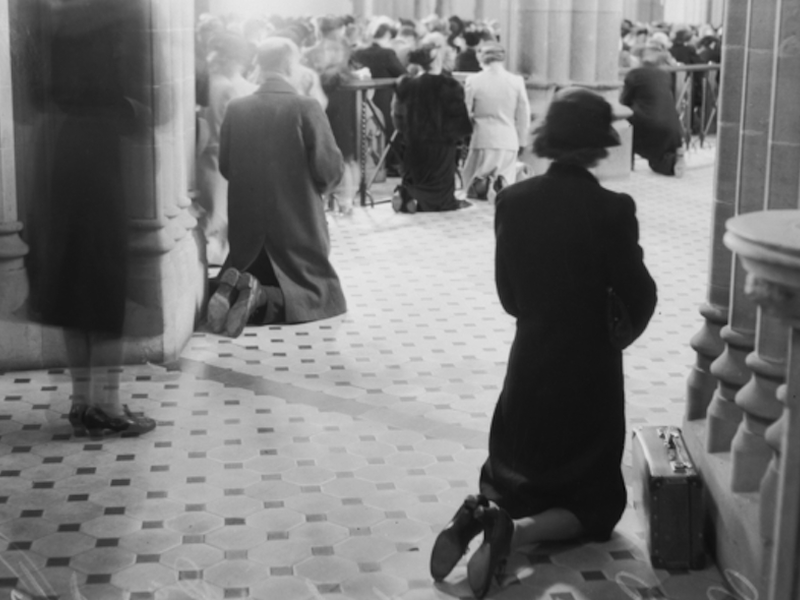
kneeling
How to Worship

Confession, Absolution, Kyrie

Confession Confession belongs at the beginning of the liturgy. We enter into God’s house, invited for a meal, and we need to clean up before we do that. Cleansing was a requirement for the priests of the OT before they entered the sanctuary to minister (Exodus 30:17-21). When Yahweh appeared…

by Peter LeithartAugust 24, 2017
647_03
Biblical Theology

Sunrise

“And God made the two great lights; the greater light for the dominion of the day, and the lesser light for the dominion of the night; the stars also.” (Genesis 1:16, NASV) In Judges 5, verse 31, the prophetess Deborah prays, "let those who love Him be like the rising…

by James B. JordanAugust 22, 2017
sixteen-miles-out-al48tflf4e8-unsplash
Chiasm

A Note on the Structure of Genesis 22, (Part 2)

In part 1 of this article we saw how various attempts to identify the underlying structure of Gen. 22:1-19 fell short and proposed a new structure for the passage. In part 2, we will look at how the sections of the chiasm relate and draw some conclusions from our investigation.…

by Kelly KerrAugust 17, 2017
kiwihug-l4gw27xzn1i-unsplash
Chiasm

On the Structure of Genesis 22, (Part 1)

Chiastic structures abound in the book of Genesis. For example, the Flood narrative is one long chiasm, as is the life of Abraham. It is the contention of this brief study that Gen. 22:1-19, also known as the Aqedah, is another such passage. And this structure reveals a talented author…

by Kelly KerrAugust 15, 2017

Showing page 107 of 309

See all

Showing page 5 of 43

See all
Philosophy

Continental v. analytic

Continuing through Simon Critchley’s book on Continental philosophy, the following analogy seems to capture some aspects of the contrast of Continental and analytic: Continental is Catholic: conscious of tradition, respectful of saints, aware of historical contextualization. Philosophy is the history of philosophy. Analytic is Protestant: deals with de-contextualized philosophical problems,…

September 14, 2006
History

Modernist postmoderns

Postmodern critics of modernity sometimes treat the latter not only as the pursuit and ambition for totality; they treat it as a totality, as an undifferentiated whole. But if postmoderns are right, even modernity was fragmented and frayed at the edges, and the appearance of totality is a modernist ruse.…

September 13, 2006
History

Modernity and dirt

A subsidiary thesis: Modernity is motivated by a desire for purity, by dirt-avoidance - dirt being, as Mary Douglas says, “matter out of place.” Counter-modernity is dirt’s revenge, celebration of dirt.

September 13, 2006
History

Modernity as court culture

Featherstone once again. He points out that sometime in the 18th century, upper class culture divided from lower class culture: “in 1500 the educated strata despised the common people although they shared their culture. Yet by 1800 their descendants had ceased to join spontaneously in popular culture and were rediscovering…

September 13, 2006
History

Romantic ethic and Consumption

In his 1987 book, The Romantic Ethic and the Spirit of Modern Consumerism , C. Campbell attempts to explain the origins of contemporary obsession with novelty, pleasure in the new, self-expression through consumption of goods. He traces it to romanticism’s focus on “imagination, fantasy, mysticism, creativity and emotional exploration” (Featherstone’s…

September 13, 2006
History

Consumption, Body, and the Sacred

A couple of further notes from Featherstone’s very stimulating book. First, citing Pierre Bourdieu, he notes the limits of seeing consumption as an isolated marker of status. The signs “that betray a person’s origins and trajectory through life are manifest in body shape, size, weight, stance, walk, demeanour, tone of…

September 13, 2006

Showing page 1794 of 2212

Browse by Category

In Medias Res

Your weekly digest for all things Theopolis.

Donate

Theopolis is nearly 100% donor-supported. Consider joining us on our mission.