Theopolis Logo

Writing

Explore our collection of theological essays, biblical studies, and reflections on faith and culture.

See all
e99a9334
Advent

Stretching Christmas

For many people Christmas comes on December 25 and is over December 26. The tree is taken down along with the lights and the other decorations, and everyone begins setting the house in order for the new year. No more Christmas hymns. No more celebrations (well, until New Year’s Eve).…

by Steve WilkinsDecember 24, 2016
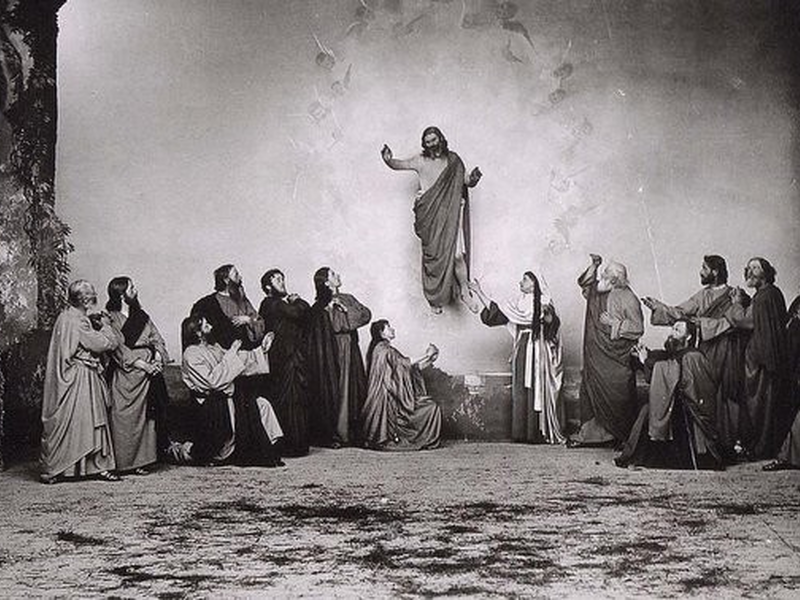
ascension
Advent

Ascension and Incarnation

The Ascension and the Incarnation should not be disconnected in our Christmas thinking or celebrations. As N.T. Wright notes, the ascension is "a central and vital feature without which all sorts of other things start to go demonstrably wrong. . . . where the ascension has been ignored or misunderstood,…

by Roy AtwoodDecember 23, 2016
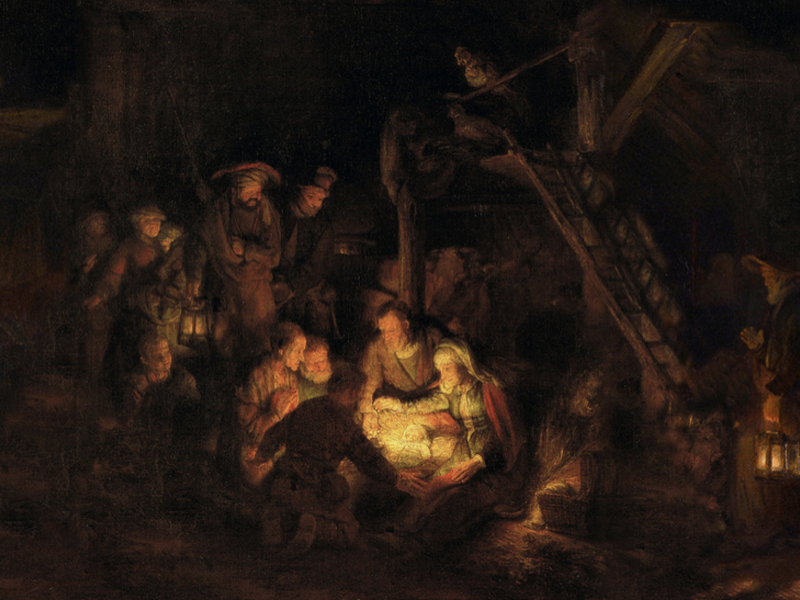
nativity-rembrandt
Advent

Christmas Light

“In the Word was life, and the life was the light of men. And the light shines in the darkness.” Thus John describes the incarnation of the Son. He comes as the living and life-giving light of the world. That’s good news. In the beginning, God spoke and light shone…

by Peter LeithartDecember 23, 2016
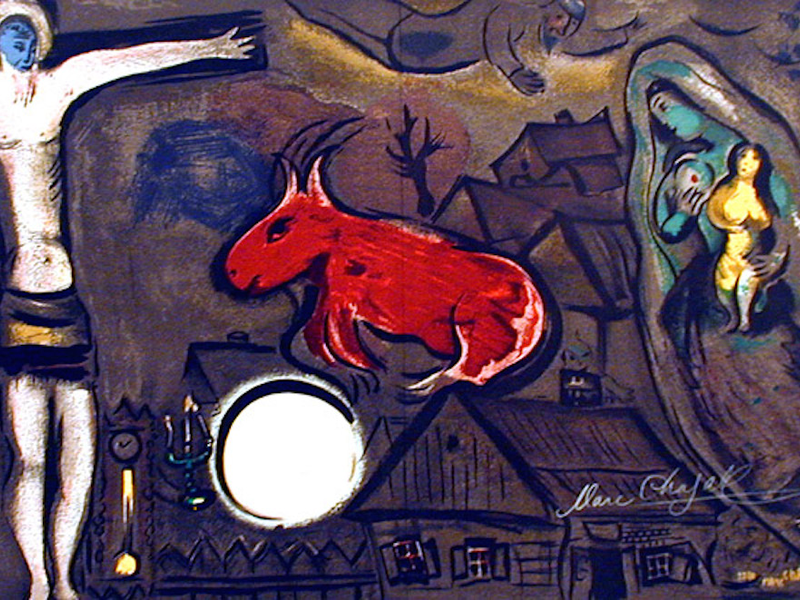
nativity-chagall
Advent

The Spirit of Christmas

Christmas is all about Jesus. The angels announce Jesus’ birth, shepherds and wise men come to see Jesus, Herod wants to kill Jesus. We occasionally think of the Father who sent the Son, but we keep returning to the Son made flesh in Bethlehem’s manger. Meanwhile, as always, the Spirit…

by Peter LeithartDecember 22, 2016
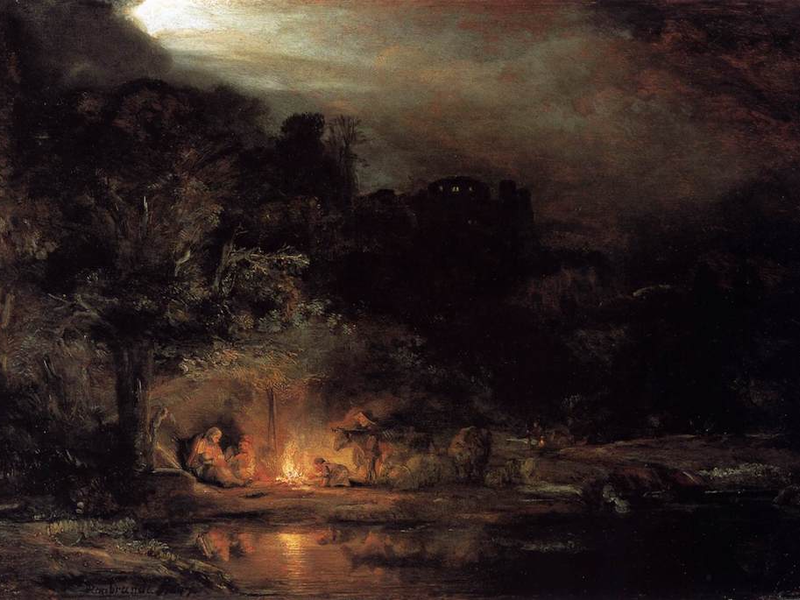
nativity
Advent

The Humility of God

Christmas is about many things, but one of the chief things revealed in the gospel of Christmas is the humility of God. We don't often think of humility as an attribute of God. If God is glorious and exalted, we think, He must be haughty and proud and self-centered. We…

by Peter LeithartDecember 21, 2016
screenshot-2025-12-15-at-8-35-45-am
Advent

Advent of Unity

John famously begins his Gospel with a piece of theology: “In the beginning was the Word, and the Word was with God, and the Word was God.” Matthew starts with a genealogy. John celebrates Advent with a hymn, Matthew with a list. For John, Jesus is the Word of creation…

by Peter LeithartDecember 20, 2016

Showing page 120 of 309

See all

Showing page 5 of 43

See all
History

Nature/Supernature in Luther

According to Oberman, “Luther’s critique of Aristotle concerns the disregard of that fundamental nominalist axioma , the demarcation line between the realms of reason and faith. Provided that this distinction is respected, Aristotle is not merely useful but indeed to be respected. In a Latin sermon probably preached to the…

May 4, 2006
Theology

Person v. Being

Oberman sees a crucial shift in late medieval theology from God as being to God as person, and sees Luther as both heir and critic of the late medieval theology proper. Without the earlier shift, “the Reformation breakthrough would be inconceivable,” but this does not mean that there is “unbroken…

May 4, 2006
History

Plague and Theology

Oberman again: “The experience of the [bubonic] plague may in fact help us understand the fifteenth-century ascendency of nominalism, its innovations in the whole field ranging from theology to science, and its successful invasion of schools and universities, where it was firmly established as the via moderna . What must…

May 4, 2006
History

Cultural history and religion

Heiko Oberman notes the impact of cultural history in his posthumously published book, The Two Reformations : “By moving from established politicla history to cultural and mentality studies, historians reestablished the crucial importance of religion, although they frequently marginalized it under the misleading category of popular religion . . .…

May 4, 2006

Proverbs 14:8-15

INTRODUCTION Waltke points to links between verses 8-9 and verses 1-2 of the same chapter: Wisdom and folly are contrasted in verses 1 and 8; the image of the “way” is used in both verses; and the term “upright” appears in verse 2 and 9. These links suggests that verses…

May 4, 2006
Theology

Simmel, Faithfulness and Gratitude

Notes on Georg Simmel, “Faithfulness and Gratitude,” printed in Kurt H. Wolff, The Sociology of Georg Simmel (Free Press, 1950). 1) Simmel describes faithfulness as “the inertia of the soul.” Less impressionistically, faithfulness is “the peculiar feeling which is not directed toward the possessor’s eudaemonistic good, nor toward the other’s…

May 3, 2006

Showing page 1846 of 2212

Browse by Category

In Medias Res

Your weekly digest for all things Theopolis.

Donate

Theopolis is nearly 100% donor-supported. Consider joining us on our mission.