Theopolis Logo

Writing

Explore our collection of theological essays, biblical studies, and reflections on faith and culture.

See all
reformation-wall
Protestantism

More Anti-Catholic Than Thou

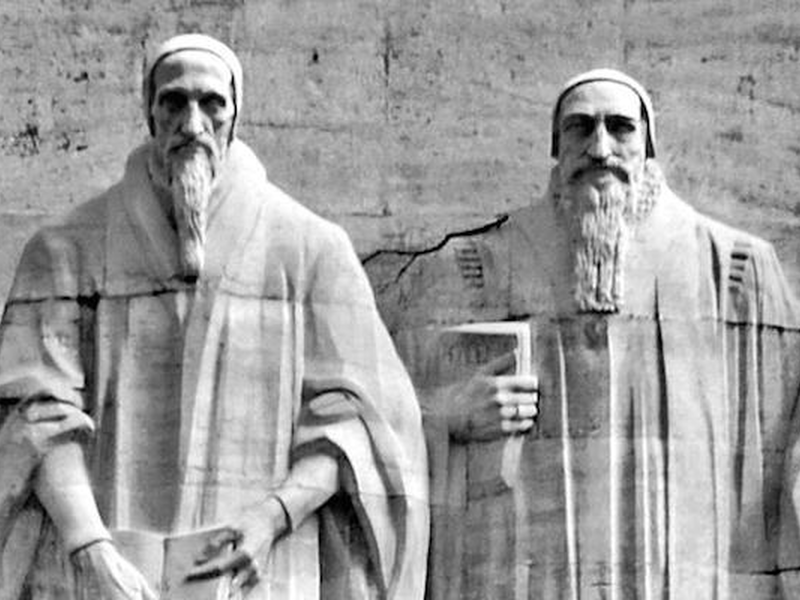
The “second Reformation” introduced Reformed liturgy and teaching into Lutheran Germany. This was seen by some as a continuation of the Reformation and a purgation of Catholic remnants. The effort to carry on “further reformation” led to disputes with Lutherans. As Bodo Nischan has put it, the hottest debate in…

by Peter LeithartMarch 28, 2017

bilbo
Literature

Bilbo: A Reformation Hero?

In J. R. R. Tolkien: Author of the Century , Tom Shippey observes that Bilbo is a member of the middle class, a bourgeois. Bilbo does not have any servants, but his hole is “the home of a member of the Victorian upper-middle class of Tolkien’s nineteenth-century youth, full of…

by Bogumil JarmulakMarch 23, 2017
cross-2
Isaiah

God In the Dock

Idolatry has deprived Israel of her senses. This was one of the early messages to Isaiah (Isaiah 6). Yahweh sent him out to a people who had been deprived of their senses because of their commitment to idols. They become like the idols they serve. They still have eyes, but…

by Peter LeithartMarch 21, 2017
jesus-baptism
Trinity

Triune Personhood

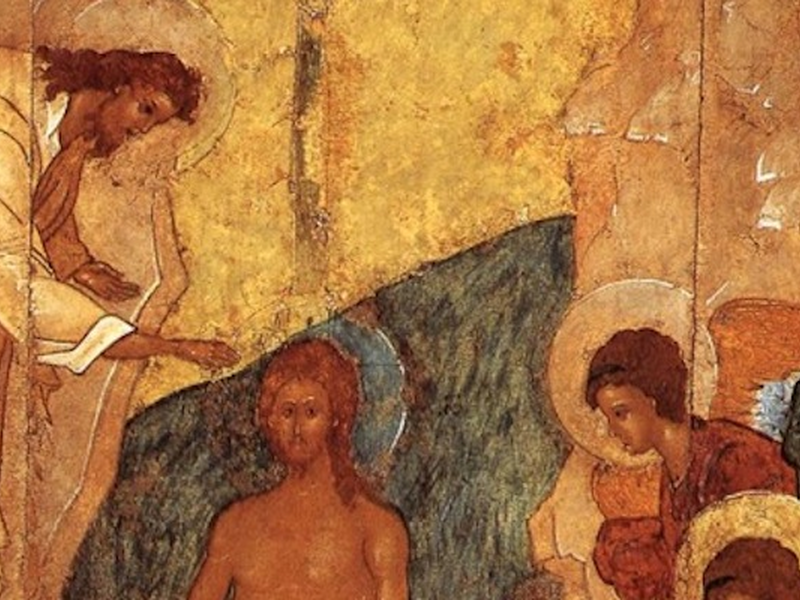
In the current climate of Trinitarian discussion concerning personhood, it's good to reach back to David Bentley Hart's treatment of the subject in his wonderful Beauty of the Infinite . Hart addresses the dangers of misreading Rahner’s rule, namely, the danger of dissolving the ontological Trinity into the economic. In…

by Peter LeithartMarch 16, 2017
e99a9259
Certificate Program

Chris Kou Completes the Certificate Program

Chris Kou is the oldest son of Chinese immigrants. Chris and his brothers run a branding and marketing business, Imagineering, in the northwest suburbs of Chicago. In his spare time, he takes online courses from Reformed Theological Seminary, and aspires to be a pastor. Chris is also one of our…

by Peter LeithartMarch 15, 2017
church-monet
Architecture

House of Living Stones

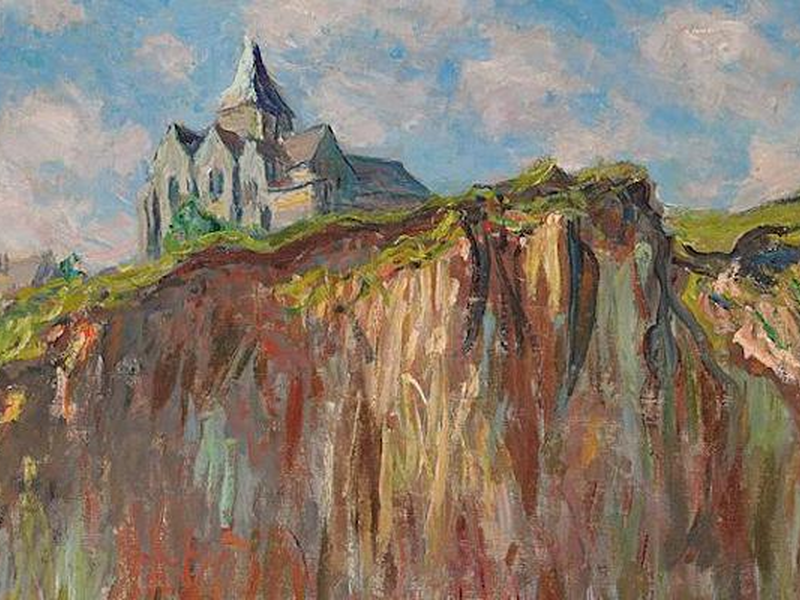
The following was delivered as the Solemn Charge and Exhortation to Theopolis students beginning the Easter term course on Architecture and Liturgical Space . As we will be reminded repeatedly throughout the week, the Bible has a lot to say about building and buildings. Long stretches of Exodus, Kings, Chronicles,…

by Peter LeithartMarch 14, 2017

Showing page 115 of 309

See all

Showing page 5 of 43

See all

Objective/Subjective

McGrath notes that Augustine interpreted the genitive in the phrase “righteousness of God” in Rom 1 objectively, so that it was understood as the righteousness that God gives in saving sinners (in “making” them righteous). Ambrosiaster, as I pointed out in an earliet post, interpreted the genitive subjectively - the…

April 20, 2006

Old Perspective on Paul

Ambrosiaster writes, “Iustitia est Dei, quia quod promisit dedit, ideo credens hoc esse se consecutum quod promiserat Deus per prophetas suos, iustum Deum probat et testis est iustitiae eius” (PL, 17.56b). McGrath explains: “God, having promised to give salvation, subsequently gives it, and as a result is deemed to be…

April 20, 2006
History

Unfinished Reformation

Nevin wrote: “There is more a great deal in Christianity, I firmly believe, more in the idea of hte Holy Catholic Church, than has yet been attained, either in the way of knowledge or in the way of life, by the Protestant Reformation.”

April 20, 2006

Factitive Justification

There was a consensus among the theologians of Trent, McGrath argues, that justification was “factitive,” a view that excluded that “a sinner may be justified solely as a matter of reputation or imputation, while remaining a sinner in fact.” But of course that raises the question, What exactly is a…

April 20, 2006

True Lutherans

McGrath traces the odd development in Lutheran Orthodoxy of the notion that regeneration and faith precede justification in such a way that “where Luther had understood justification to concern the unbelieving sinner, orthodoxy revised this view, referring justification to the believing sinner.” This takes Lutheran Orthodoxy back in the direction…

April 20, 2006

Ontological change

McGrath notes, “While justification was universally understood to involve the regeneration of humanity, the opinion that an ontological change is thereby effected within humans is particularly associated with the period of High Scholasticism and the development of the concept of created grace. The earlier medieval theologians expressed the change effected…

April 20, 2006

Showing page 1854 of 2212

Browse by Category

In Medias Res

Your weekly digest for all things Theopolis.

Donate

Theopolis is nearly 100% donor-supported. Consider joining us on our mission.