Theopolis Logo

Writing

Explore our collection of theological essays, biblical studies, and reflections on faith and culture.

See all
cloister

Gatekeepers

1 Chronicles 9:1 seems to bring the genealogies of 1 Chronicles to an end. The Chronicler has recorded the genealogy of the human race from Adam, focusing on the descendants of Abraham through Jacob. Summing it all up, he says, “So all Israel was enrolled by genealogies; and behold, they…

by Peter LeithartJune 21, 2016
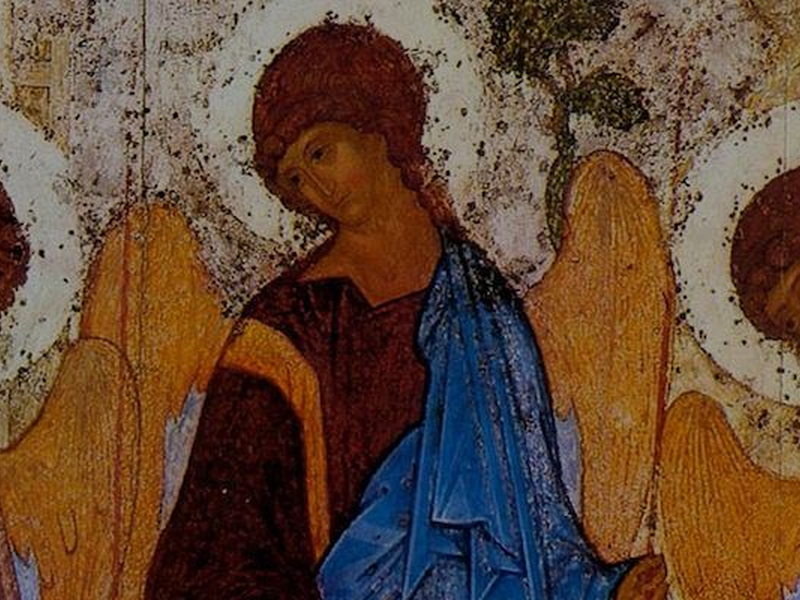
trinity-1-2
Trinity

Are the Divine Persons Persons?

The “personalist” understanding of the Trinity, articulated most influentially in the work of John Zizioulas, has fallen on hard times. Recent scholars have attacked Zizioulas’s idea that Cappadocian Trinitarianism represented an ontological revolution, hammering on the distinction between divine and human personhood. Michel Barnes’s conclusion is the most drastic of…

by Peter LeithartJune 16, 2016
img_4660-2
Architecture

On Biblical Theology

Biblical Theology is often defined as the historical unfolding of God’s revelation, or of God’s revelation and of the history of his covenantal redemption and transformation of humanity and the world. In practice, Biblical Theology is usually broader than this, and also includes the study of literary structure and of…

by James B. JordanJune 14, 2016
laughing_statue_by_xxbobbiie-d5f0meh-2
Humor

Wise Laughter

We are made to be happy. Created to enter into the eternal joy of God, our whole being inclines to that end, but the fallen world has put forth barriers and by our own sin we bar ourselves from that endless delight, and death blinds us to that reality. Yet…

by Remy WilkinsJune 7, 2016
img_7664
Liturgy

Why Theopolis? Take Two

At the end of Revelation, John sees the heavenly city descending to earth. The city shines with the brilliance of God's glory, which lightens the nations, so that kings bring their glory to the city. This is not a vision of the final new heaven and new earth. It's a…

by Peter LeithartJune 2, 2016
trinity-1-2
Attributes of God

How Can We Talk About God?

“No one has ever seen God,” writes John (John 1:18). If this is the case, then how can we speak about God? Some people say we actually cannot. Or at least we cannot speak about God positively, i.e. who He is. We can only say who or what God is…

by Bogumil JarmulakMay 31, 2016

Showing page 130 of 309

See all

Showing page 5 of 43

See all

Reformation Rhetoric

Peter Matheson ( Rhetoric of Reformation ) recognizes that polemic is “both necessary and useful” (8). It enables underdogs to gain a foothold, and “enables us to see things as they are. Its caricatures are nearer to the truth than the smooth rhetoric and facile images beloved of politician, businessman…

April 13, 2017

Ladder to Heaven

2 Chronicles 3-4, the Chronicler's account of the temple, uses the phrase “left and right” several times. Jachin and Boaz, the two pillars, are “left and right” at the porch (3:17). Ten basins are set up in two groups of five on the left and right of the court (4:6).…

April 12, 2017

The Pillars that Huram Built

In her study of Leviticus as Literature , Mary Douglas notes the “house that Jack built” quality of the Levitical descriptions of sacrifice. Priests put animal parts on the wood that is on the fire that is on the altar. Douglas takes this as a sign that Leviticus describes sacrifice…

April 11, 2017

Pollution and Purgation in the Reformation

I n a famous essay on “rites of violence” in sixteenth-century France, Natalie Zemon Davis argued that one motivation behind mob violence was the desire to purge “the community of dreaded pollution. The word ‘pollution' is often on the lips of the violent, and the concept serves well to sum…

April 11, 2017

Creating the Temple

T he Chronicler's account of the construction of Solomon's temple (2 Chronicles 3:1-5:1) follows the creation week of Genesis 1 in general and in specific details. In general, the account moves from a description of the dimensions, materials and adornments of the three zones of the temple (porch, palace, most…

April 10, 2017

Weber the Idealist

R obert Scribner doesn't think Protestantism “disenchanted” the world. Reformers did attack certain forms of medieval “magic.” They rejected “sacramentals,” which were “functional” rituals that could be used as protection against devils. This didn't produce a “buffered” world, impervious to outside influence. No one surpassed Luther in his obsession with…

April 7, 2017

Showing page 187 of 2212

Browse by Category

In Medias Res

Your weekly digest for all things Theopolis.

Donate

Theopolis is nearly 100% donor-supported. Consider joining us on our mission.