Theopolis Logo

Writing

Explore our collection of theological essays, biblical studies, and reflections on faith and culture.

See all
e99a1994
Theopolis News

Water, Bread, and Wine

"The faithful use of sacraments, and indeed a fully sacramental view of creation, is vital to the life of the Church. Baptism and the Lord's Supper are rites that directly shape the community and the Body, because they were given by God for that express purpose. A deficient practice of…

by Brian MoatsMay 27, 2016
astronauts
Culture

Detached People Can Only Float

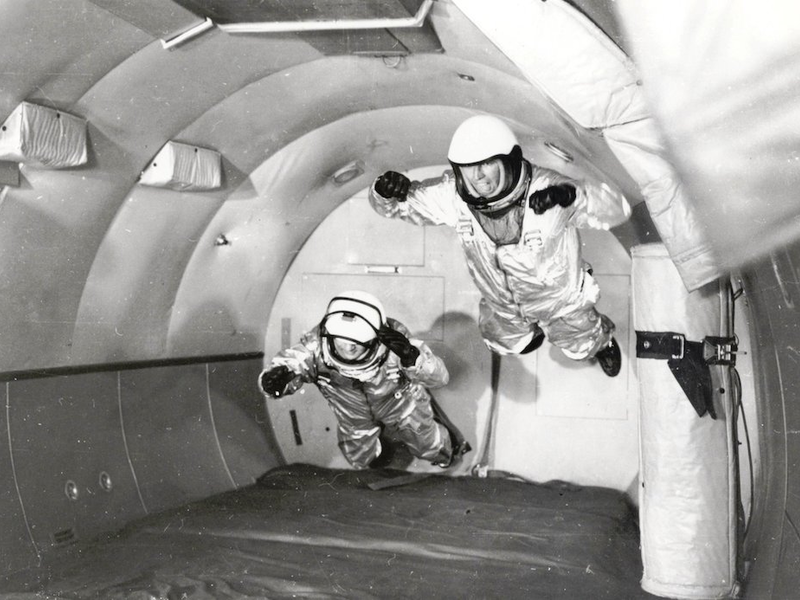
Weightlessness is fun. At the beginning of Gravity (2013) , we can see one astronaut dancing the Macarena and another one playing with his jetpack. They like it out there in the space. Apart from zero-gravity they can enjoy beautiful views, and even the silence is likable, although Matt Kowalski…

by Bogumil JarmulakMay 26, 2016
trump
American Culture

A Very Good Joke?

I recently went to a lunch that is more or less quarterly. About a dozen of us go. It is a lunch held in honor of a retired professor of religion and philosophy. I have been one of his acquaintances for more than 40 years. In his tenure as professor,…

by Richard BledsoeMay 24, 2016
img_0864
Theological Education

Why Theopolis?

Why Theopolis? Don't we already have seminaries and Bible colleges and other institutions for theological education? Why do we need another one? I get this question now and again. I ask myself this question even more often. What follows is a partial answer. Back in the 1990s, seminaries seemed to…

by Peter LeithartMay 19, 2016
portrait_of_martin_luther_as_an_augustinian_monk-800x500
Good Works

The Logic of Luther

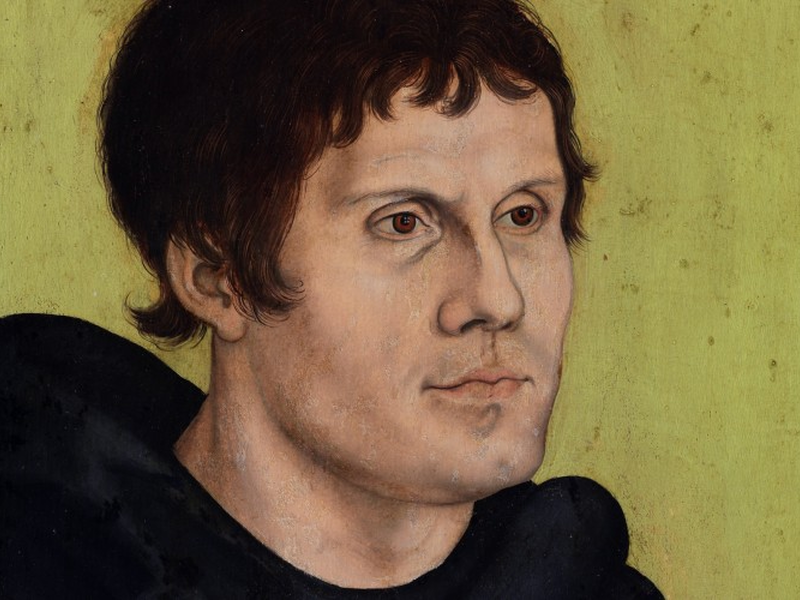
I think the logic of the Lutheran Reformation can be summarized in one sentence, attributed to Luther himself: "God does not need your good works, but your neighbor does." The first half of that statement is justification by faith . God doesn't need our works to satisfy his justice or…

by Rich LuskMay 17, 2016
prince
Art

Appreciating the Camera Work in Pornography

If you are looking to start a fight with Christians, there is hardly a better subject to do so than the arts. Music, movies, paintings, and literature have provided no small battlegrounds for Christians to war. We are emotionally invested in the arts. A song, a book, or a film…

by Bill SmithMay 10, 2016

Showing page 131 of 309

See all

Showing page 5 of 43

See all
History

Modernity and antiquity

Kumar suggests that “some of the principal hall-marks of modernity” are already evident in the Christian notions of time and history. Both Christianity and modernity separate time from nature, and humanize time; time is seen by both as “linear and irreversible”; both see history as an Aristotelian drama with beginning,…

February 24, 2006
History

First Modernity

The Latin modernus was coined in the late fifth century, as an antonym to antiquus , and variations of modernus became particularly common after the 10th century. Thus, Krishan Kumar writes, “Modernity is . . . an invention of the Christian Middle Ages,” and was used to emphasize the radical…

February 24, 2006
Philosophy

Computer Communications and the Self

Poster lists four effects that computer communications (email, chat groups, etc) have on the self: “1 they introduce new possibilities for playing with identities; 2 they degender communications by removing gender cues; 3 they destabilize existing hierarchies in relationships and re-hierarchize communications according to criterio that were previously irrelevant; and…

February 24, 2006
Philosophy

Computers, subjects and objects

Descartes famously contrasted the mind (res cogitans) with the external world (res extensa), but Mark Poster suggests that computer writing fudges that distinction: “the computer dematerializes the written trace. As inputs are made to the computer through the keyboard, pixels of phosphor are illuminated on the screen, pixels that are…

February 24, 2006
Media

Community and New Communications

Mark Poster points to a tension between the modern institutions of production and the postmodern technologies of communication, particularly as they impact the formation of the self: “If modernity or the mode of production signifies patterned practices that elicit identities as autonomous and (instrumentally) rational, postmodernity or the mode of…

February 24, 2006
Media

Telephone

Prior to World War I, Telefon Hirmondo, the telephone system of Budapest, was used as a broadcast system, with a published schedule of programs that were restricted to certain classes of people in Hungary. Only later did it develop into a communications system in which everyone could pass information to…

February 24, 2006

Showing page 1878 of 2212

Browse by Category

In Medias Res

Your weekly digest for all things Theopolis.

Donate

Theopolis is nearly 100% donor-supported. Consider joining us on our mission.