Theopolis Logo

Writing

Explore our collection of theological essays, biblical studies, and reflections on faith and culture.

See all
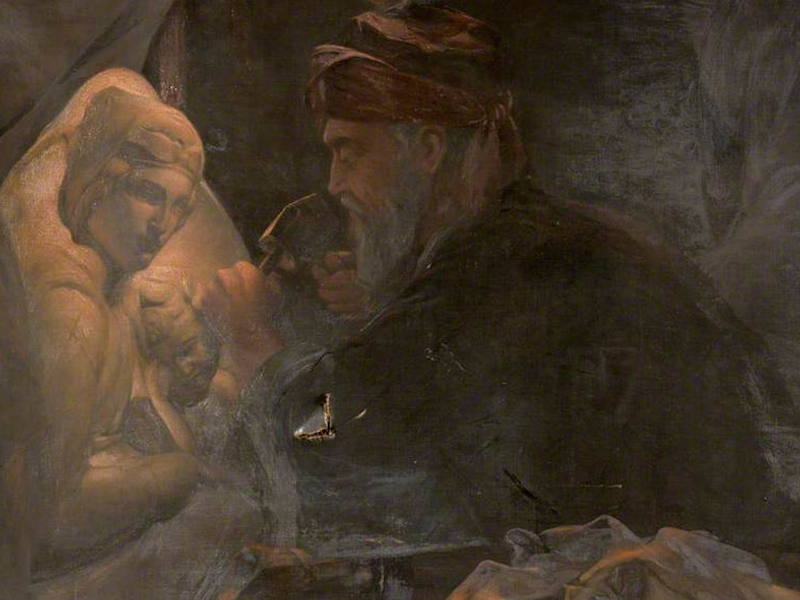
sculptor
Art

The Artist's Litany

If we say that we have no sin, we deceive ourselves, and the truth is not in us. (1 John 1:8) O God the Father, creator of heaven and earth, Alpha and Omega, beginning and end, who inspired Creation with the breath of your nostrils, who placed Adam in the…

by Christian LeithartFebruary 2, 2016
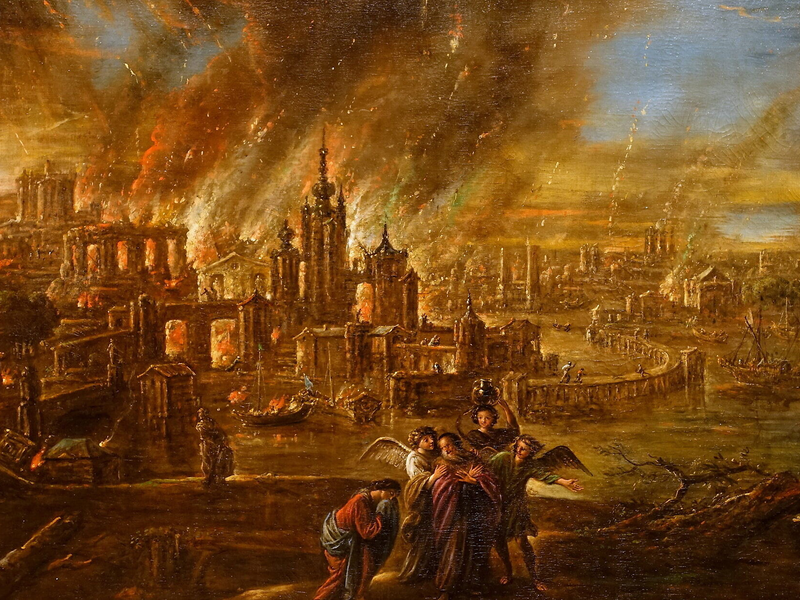
sodom_and_gomorrah_afire_by_jacob_jacobsz-_de_wet_d-_j-_probably_koln_c-_1680_oil_on_canvas_-_hessisches_landesmuseum_darmstadt_-_darmstadt_germany_-_dsc01149-e1632540497247
American Culture

American Sodom

For nearly a half-century, Sodom has been a key symbol in the American culture wars. On the one side, we have an aggressive movement among homosexuals that has first decriminalized homosexual conduct, then to force cultural and legal recognition of homosexuals as a minority and to normalize homosexual behaviors, finally…

by Peter LeithartJanuary 28, 2016
image-20150409-15244-1r08rsu
Biblical Theology

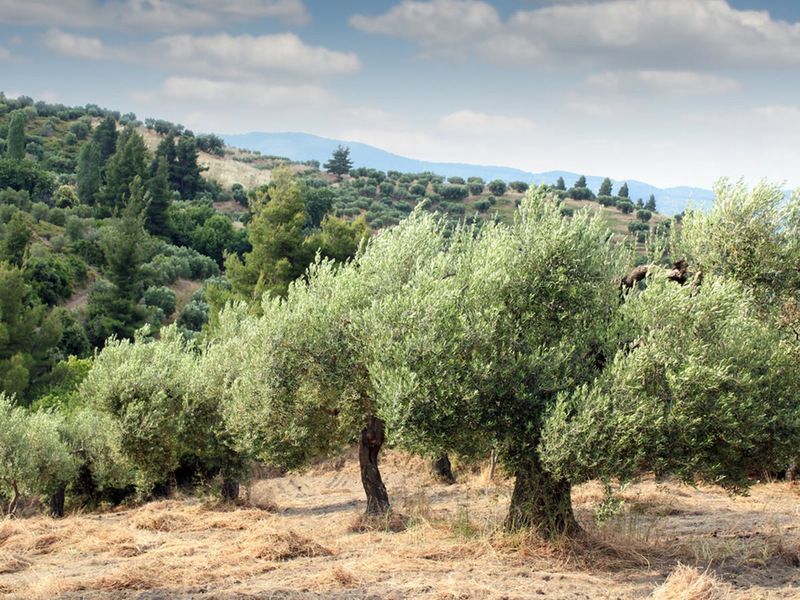
The Meaning of the Mount of Olives

Speaking of the Church, Romans 11:16-17 says, "And if the root be holy, the branches are also. But if some of the branches were broken off, and you, being a wild olive were grafted in among them and became partaker with them of the root of the fatness of the…

by James B. JordanJanuary 26, 2016
img_6134
Isaiah

No Sabbath for God

At the end of Isaiah 61, Yahweh's Servant rejoices because the Lord clothes Him with salvation and righteousness. He decks Him like a bridegroom with a garland on His head. He wears jewels like a bride. He is a new bridegroom in a new garden of Eden, a garden of…

by Peter LeithartJanuary 21, 2016
hebrew-manuscript-2
Biblical Law

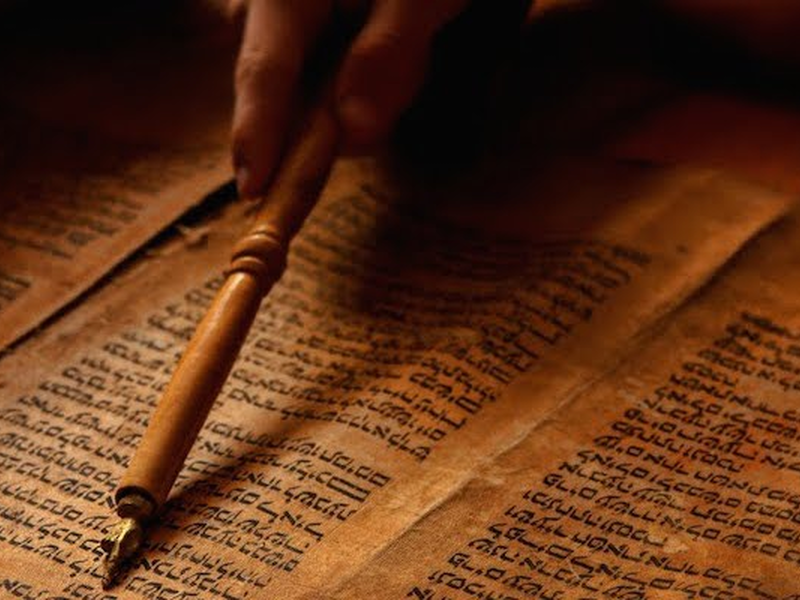
Approaching the Torah

Before anything else, a word about “Torah” may be in order. I have been persuaded that “law” is a bad translation of “Torah,” even though it is evident that what is called “Torah” does have commandments, statutes, and ordinances in abundance. Why not “law?” “Law” as a translation for “Torah”…

by Ralph Allan SmithJanuary 19, 2016
jane-austen-2
Biblical Horizons

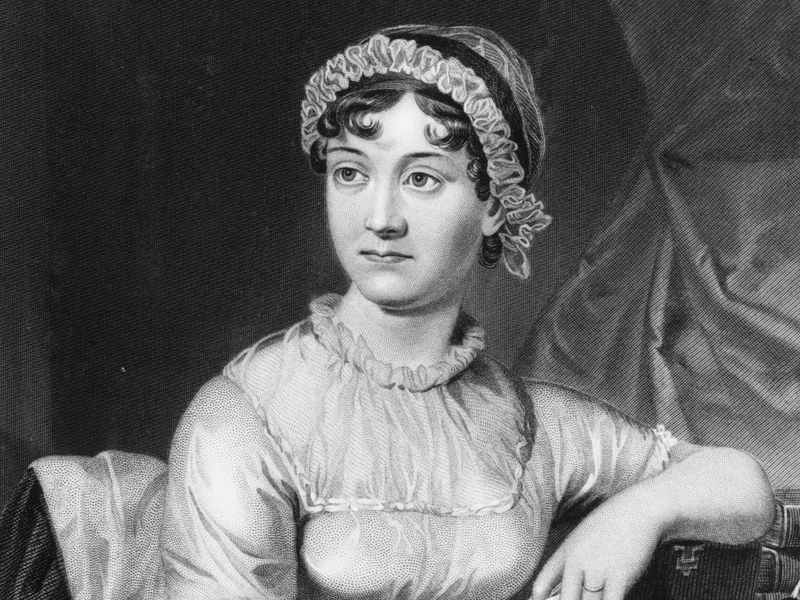
Jane Austen, Pundit

Few novelists seem as innocent of the temptation to punditry as Jane Austen. Though living through a period that witnessed the birth of an independent United States, the French Revolution and the Terror, the Napoleonic wars and the rise of revolutionary romanticism, and the upheavals of the Industrial Revolution, she…

by Peter LeithartJanuary 14, 2016

Showing page 137 of 309

See all

Showing page 5 of 43

See all

Hypocrisy and Motive

W hen Jesus condemns hypocrisy, argues Oliver O'Donovan ( Desire of Nations , 109–10), He is speaking of conformity to “public expectation.” O'Donovan suggests that the sense is captured by the word “performance.” Jesus is not speaking of motives in the modern sense of the word: “A motive, as we…

April 7, 2017
Slavery

Abolition

W hy didn't the apostles move more quickly to protest and attempt to abolish slavery? There are various answers to that, but Oliver O'Donovan's gets to the heart of the issue: The church “believed that Christ had abolished it” ( Desire of Nations , 185). Of course, the church had…

April 7, 2017

Kulturkampf

P hilip Rieff notes, “That word [ Kulturkampf ] first appeared in common German use in the early 1870s during the struggle of the National Liberal political party to disarm by law the moral/educational authority, and political punditry, of a triumphalist Roman Catholic hierarchy, revitalized as it then was by…

April 6, 2017

Fences and Neighbors

K. Luria examines the Sacred Boundaries (xxvii–xxxxi) of early modern France, in an effort to correct extremes of historiography. Some have argued that sacred boundaries between religious groups led to violence; other historians have pointed to continuous interaction between Catholics and Protestants. Both are right. Symbolic boundaries separated Catholic and…

April 6, 2017

Building the Confessional State

A 1989 article by Wolfgang Reinhard on the relationships among the Reformation, Counter-Reformation, and early modern state-building is an excellent brief summary of the relationship between Reformation and post-Reformation “confessionalization” and the formation of modern states and national identities. The Reformers' turn to the state was in the first instance…

April 5, 2017

What Solomon Made

O verall, the Chronicler's account of Solomon's temple construction (2 Chronicles 3:1-5:1) is arranged chiastically: A. Solomon begins to build, 3:1-2 B. What Solomon made, 3:3-4:10 C. What Huram-abi made, 4:11-17 B’. What Solomon made, 4:18-22 A’. Solomon completes ( shalam ) work, 5:1 The long section in B is…

April 4, 2017

Showing page 189 of 2212

Browse by Category

In Medias Res

Your weekly digest for all things Theopolis.

Donate

Theopolis is nearly 100% donor-supported. Consider joining us on our mission.