
Theopolis Logo

Writing

Explore our collection of theological essays, biblical studies, and reflections on faith and culture.

See all
trnava-university-beeyeib-am8-unsplash
Biblical Chronology

Meredith G. Kline Strikes Back, Part 2

In our first essay we looked at Kline’s flawed exegesis of Genesis 2:5 as it relates to Day 3 of creation. Now we turn to Kline’s new argument against a chronological reading of Genesis 1, as found, again, in "Space and Time in the Genesis Cosmogony," Perspectives on Science and…

by James B. JordanMarch 29, 1997
30211-bathsheba-800w-tn
Hermeneutics

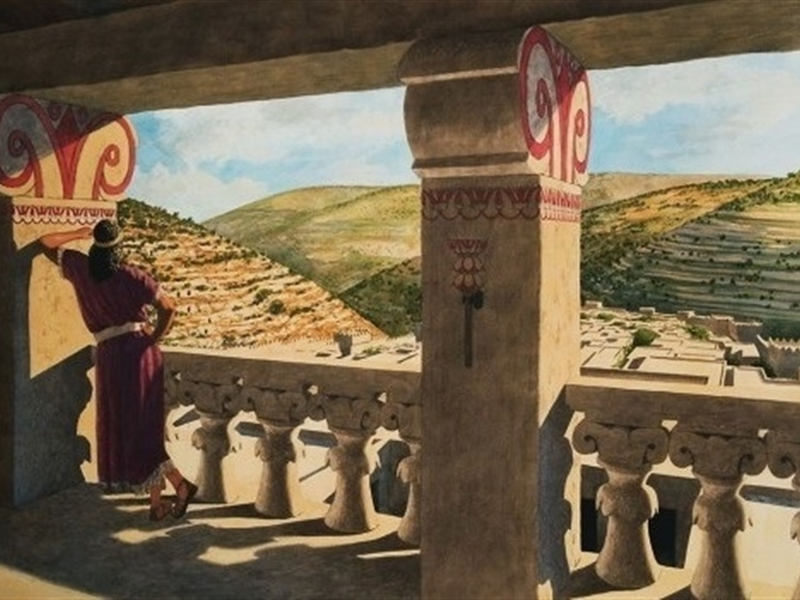
Bathsheba: The Real Story

One of the advantages of paying very close attention to the details in the Bible, especially chronological and genealogical details, is that they can shed light on situations that don’t seem to make much sense apart from them. One such situation is that of Bathsheba. It appears that Bathsheba willingly…

by James B. JordanMarch 28, 1997
jonathan-cooper-ygxq7hfdjzq-unsplash
Church Calendar

Is the Church Year Biblical? | A Parking Lot Parable

Once upon a time, Jeff Meyers and Tony Rollins–old friends who had not seen each other for a few years–met in the parking lot of a neighborhood church. They were dropping off their pre-school children at the church for Mother’s Day Out. They were such conscientious and helpful fathers. As…

by Jeff MeyersMarch 20, 1997
annie-spratt-upxf6to3fea-unsplash
Daniel

The Allegory of Susanna

Years ago, when I was at the briefly-existing Geneva Divinity School, I taught a course in the Apocrypha. One thing that struck me at that time is that two of the stories are almost certainly religious allegories (as well as moral tales): Judith and Susanna. Since "Susanna" means "Lily," this…

by James B. JordanFebruary 28, 1997
serafima-lazarenko-_ivuwprfczi-unsplash
Biblical Horizons

A Blossom of Yahweh’s Field

Peter’s essay inspires me to write up some similar thoughts about the flower of the field. Rightly does Peter associate the almond with Yahweh’s garden, because the Garden of Eden is symbolically positioned as parallel to the Holy Place of the Tabernacle and Temple. To wit: Since Aaron’s rod blossomed…

by James B. JordanFebruary 28, 1997
trnava-university-beeyeib-am8-unsplash
Biblical Chronology

Meredith G. Kline Strikes Back, Part 1

We have had occasion to discuss the views of Meredith G. Kline previously in these newsletters, and now it is time to do so again. Kline teaches at Gordon-Conwell Theological Seminary and also at the Westminster Theological Seminaries (Philadelphia and San Diego). He is the author of some interesting insights…

by James B. JordanFebruary 28, 1997

Showing page 259 of 309

See all

Showing page 5 of 43

See all
Science

End of Modernity?

Iain Provan offers this comment in his Ecclesiastes commentary: “Modern people tend to view the movement of history, as far as human beings are concerned, as being from primeval swamp to divinity. The beginning was unpromising, but quite against expectation the forces of evolution have propelled us along, to a…

January 29, 2006

Eucharistic meditation, Fourth Epiphany

Ecclesiastes 12:1: Remember also your Creator in the days of your youth. Solomon ends Ecclesiastes, as we have seen, emphasizing again the brevity of life. Life is vapor, all is vapor, a vapor of vapors, most vaporous, superlatively vaporous. Solomon makes it clear at the end of the book that…

January 29, 2006

Baptismal meditation, Fourth Epiphany

Ecclesiastes 11:1: Cast your bread on the face of the waters, for you will find it after many days. We saw in this morning’s sermon Solomon’s image of casting bread on the water encourages a reckless faith, a willingness to act in spite of the risks. You don’t know whether…

January 29, 2006

Exhortation, Fourth Epiphany

What kind of guidance should we give our children? We often focus exclusively on all the things that they may not do. That is a perfectly sound approach, especially for younger children. After all, we worship and serve a God whose first words to newborn Israel were “Thou Shalt Not.”…

January 29, 2006
Philosophy

No dry light

Francis Bacon offered this wise caution, “The human understanding is no dry light but receives an infusion from the will and affections; whence proceed sciences which may be called ‘sciences as one would.’ For what a man had rather were true he more readily believes . . . . Numberless…

January 26, 2006

Notes on Freud

Some notes on Freud, mainly as background for discussion of Ernest Jones psycho-analytic treatment of Hamlet, largely based on Merold Westphal’s summary in Suspicion & Faith. FREUD AND SCIENCE Freud is an Enlightenment man who subverted the Enlightenment, an advocate of scientism whose theories rendered scientism impossible. He appears not…

January 26, 2006

Showing page 1892 of 2212

Browse by Category

In Medias Res

Your weekly digest for all things Theopolis.

Donate

Theopolis is nearly 100% donor-supported. Consider joining us on our mission.