Theopolis Logo

Writing

Explore our collection of theological essays, biblical studies, and reflections on faith and culture.

See all
alfons-morales-ylswjsy7stw-unsplash-1
Biblical Horizons

Fun Reading

The name of Harry Turtledove is well known to readers of fantasy and science fiction. Turtledove is an historian, and most of what he writes is in the "alternative history" genre. A fine collection of short stories, available in paperback, is his Agent of Byzantium . These stories are set…

by James B. JordanAugust 28, 1996

paul-bill-u2tjtlje4z0-unsplash
Biblical Horizons

Concerning Unicorns

In answer to a question, the following about the unicorn, a supposed "New Age" symbol: The unicorn, or monoceros (one-horn), was known around the ancient world. Some scholars believe it may have been the one-horned goat that is still bred today. Others think it may have originated in tales of…

by James B. JordanAugust 28, 1996

tim-wildsmith-j6jv-mkdzqs-unsplash
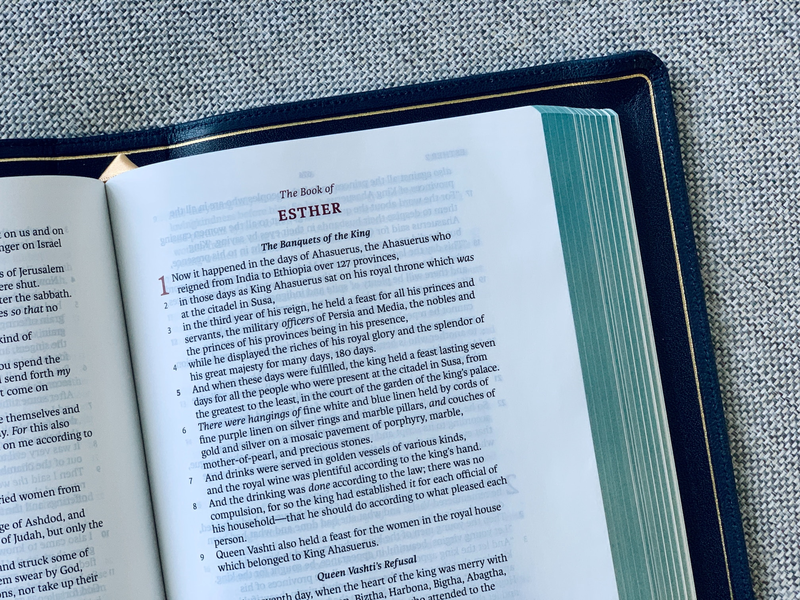
Esther

Esther: Historical & Chronological Comments (VI)

3. A Brief Survey of Esther (continued from the previous issue) Haman told the king that "a certain people" were rebellious against him, and that Haman wanted to rid the king of their noxious presence. The king agreed, and the two sat down to a feast. This is the third…

by James B. JordanAugust 28, 1996

sacre-bleu-r__kixb0i5m-unsplash
Biblical Horizons

Concerning Halloween

It has become routine in October for some Christian schools to send out letters warning parents about the evils of Halloween, and it has become equally routine for me to be asked questions about this matter. "Halloween" is simply a contraction for All Hallows’ Eve. The word "hallow" means "saint,"…

by James B. JordanAugust 28, 1996

tim-wildsmith-j6jv-mkdzqs-unsplash
Esther

Esther: Historical & Chronological Comments (V)

2. The Setting of the Book of Esther (continued from previous issue) Astyages E. W. Faulstich presents his arguments in his book History, Harmony, The Exile & Return . 1 To understand it, we have to have some background. The Assyrians ruled the near east. Median king Cyaxeres decided to…

by James B. JordanJuly 28, 1996
516976ldsdl
Revelation

Jephthah’s Daughter

In my commentary on Judges, I demonstrated that Jephthah in his Spirit-led vow intended to offer to Yahweh the first person who greeted him from the doors of his house after the battle. Since it was a custom for the young women to come out dancing to greet the returning…

by James B. JordanJune 28, 1996

Showing page 264 of 309

See all

Showing page 5 of 43

See all

Jehoram and Elisha

The history of the Omrides during the ministry of Elisha takes a curious turn. Instead of confronting the king with his sin, as Elijah generally did, Elisha instead repeatedly gives assistance to the son of Ahab (2 Kings 3; 6-7). Jehoram wavers, sometimes whining, sometimes hostile to Elisha, ultimately respectful.…

October 27, 2005

New Joseph

Dothan is mentioned in only two places in the Old Testament: Gen 37, at the beginning of the Joseph narrative, and 2 Kings 6, the place where the Aramean king attempts to find Elisha. Jacob sends Joseph to take food to his brothers, and he initially does not find them…

October 27, 2005

Things that are not

Jacques Ellul helpfully points out that God frightens away the Arameans in 2 Kings 7 by a mere sound, and it is a sound that has no physical cause. God overcomes things that are, Ellul says, through things that are not.

October 27, 2005

Food in 1-2 Kings

A critical issue throughout 1-2 Kings is the question of who provides bread. Early on, it’s Solomon, whose table overflows with good things and who rules an Israel that is continuously rejoicing and feasting. Kings continue to supply tables after the division of the kingdom, but they are often tables…

October 27, 2005

Puns in 2 Kings 7

Iain Provan points to two entertaining puns in the story of the siege of Samaria in 2 Kings 6-7. The first puns on “lepers” (Heb. MISORAIM) and “Egypt” (Heb. MIZRAIM): The Arameans become frightened by the sound of an army, thinkin that Egyptians are attacking; it’s only lepers, though, scrounging…

October 27, 2005

Blood and life

In his recent Concordia commentary on Leviticus, John Kleinig gives a good summary of what I think is the best explanation of the blood prohibtiion of Lev 17: “many animists regard blood as the most potent of all ritual substances. The blood of an animal was either drunk or, more…

October 27, 2005

Showing page 1932 of 2212

Browse by Category

In Medias Res

Your weekly digest for all things Theopolis.

Donate

Theopolis is nearly 100% donor-supported. Consider joining us on our mission.